Saint Mark's Episcopal Church Photos


More like Saint Mark's Episcopal Church
Recommended Reviews - Saint Mark's Episcopal Church
Start your review...


Reviews With Photos


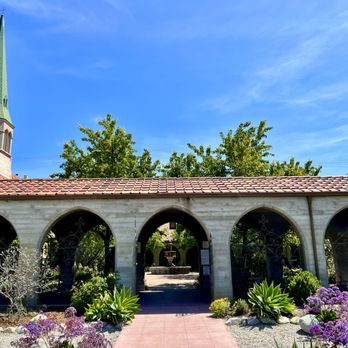
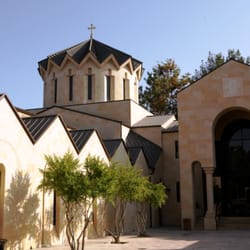
Saint Mark's Episcopal Church in Glendale is such a comforting and safe place to practice my Christian faith in LA. My wife and I have been attending for almost 3 years and call this place home. This parish truly cares for its community and the surrounding neighborhood and the world at large. From its generosity in donating to local and global organizations to creating a beautiful and inviting space with open doors all week long so locals to come inside for a time of prayer and reflection and maybe to light a candle. At a Sunday mass you will be transported to Oxford, England with the beautiful pipe organ, talented choir, Anglican chant, stain glass windows, candles, incense, and lovely homilies. After the service I love to grab a cup of coffee and a Yum Yum donut and chat with the broad spectrum of folks that attend Saint Mark's. Kids are playing foosball and ping ping, while 30 and 40 somethings chat with long time elderly members in the parish hall or under the trees in the gorgeous courtyard. If you are looking for a safe church to explore your faith no matter what stage you are in, then I highly recommend Glendale's Saint Mark's Episcopal Church.


A Beautiful Church Environment For A Family Meetup! [At the time of this writing, Victoria has become St. Mark's Yelp Review Poster Child.] ;) https://www.yelp.com/biz_photos/saint-marks-episcopal-church-glendale?select=BxNuobK6vgPONMx3f_twuw&userid=3mNz5nQFTIBQm0oU5mBR0w SITREP Sitting in the bustling heart of Glendale sits this divinely sweet church with a "secret garden" of many wonders. THE SETUP As it should happen, I was meeting my baby brother Justin and his wife Vivian (whom I've never met) and their two (2) vivacious, bubbly, incorrigible and fun little twin 2 1/2 year children - my NIECES, Juliet & Victoria - who I was meeting for the first time! I came prepared and brought the Kings of the Swamp Lands: 2 plushie alligators - who I just called "Ally" and "Gater". https://www.yelp.com/biz_photos/saint-marks-episcopal-church-glendale?select=6QeMenKKExi0I_V6_dIbtA&userid=3mNz5nQFTIBQm0oU5mBR0w Juliet & Victoria enjoyed taking Ally & Gater all over the church with them, including putting them in he nursing rocking chair like when they were babes being nursed there. THE GARDEN St. Mark's Garden is a wonderful green zone to take the kiddies out to so they can "unburden" their intense energies by playing on the grass, contemplating the beauty of the tall cross, relaxing around the water fountain and enjoy the splashes. THE CHAPEL In the lobby are the offering boxes, at the back of the sanctuary are were we can light the candles, teaching Juliet & Victoria the beauty of worship. https://www.yelp.com/biz_photos/saint-marks-episcopal-church-glendale?select=Tc-1Ze7W8DldYWgy-AjPEg&userid=3mNz5nQFTIBQm0oU5mBR0w The Chapel is absolutely gorgeous and it was amazing that we had it all to ourselves. https://www.yelp.com/biz_photos/saint-marks-episcopal-church-glendale?select=QaKRy1tWbL-JSuGK1fpNEA&userid=3mNz5nQFTIBQm0oU5mBR0w THE LOWDOWN St. Mark's is a beautiful sanctuary to visit, to meet up with family and friends, and share with your loved ones.


4 months ago

What a beautiful church located on northern Brand Blvd in Glendale. I love stopping by whenever Im in the area. So peaceful, the gardens are beautiful during the spring months. Lots of benches all around to sit and pray or meditate. The interiors are gorgeous . So calming and quiet. Light a candle and say a prayer... I have never been to their Sunday service but maybe in the future I will. : : praying for world peace .... read more


1 year ago

2 years ago
Saint Mark's Episcopal Church in Glendale is such a comforting and safe place to practice my Christian faith in LA. My wife and I have been attending for almost 3 years and call this place home. This parish truly cares for its community and the surrounding neighborhood and the world at large. From its generosity in donating to local and global organizations to creating a beautiful and inviting space with open doors all week long so locals to come inside for a time of prayer and reflection and maybe to light a candle. At a Sunday mass you will be transported to Oxford, England with the beautiful pipe organ, talented choir, Anglican chant, stain glass windows, candles, incense, and lovely homilies. After the service I love to grab a cup of coffee and a Yum Yum donut and chat with the broad spectrum of folks that attend Saint Mark's. Kids are playing foosball and ping ping, while 30 and 40 somethings chat with long time elderly members in the parish hall or under the trees in the gorgeous courtyard. If you are looking for a safe church to explore your faith no matter what stage you are in, then I highly recommend Glendale's Saint Mark's Episcopal Church. read more


8 months ago

5 years ago
A Beautiful Church Environment For A Family Meetup! [At the time of this writing, Victoria has become St. Mark's Yelp Review Poster Child.] ;) https://www.yelp.com/biz_photos/saint-marks-episcopal-church-glendale?select=BxNuobK6vgPONMx3f_twuw&userid=3mNz5nQFTIBQm0oU5mBR0w SITREP Sitting in the bustling heart of Glendale sits this divinely sweet church with a "secret garden" of many wonders. THE SETUP As it should happen, I was meeting my baby brother Justin and his wife Vivian (whom I've never met) and their two (2) vivacious, bubbly, incorrigible and fun little twin 2 1/2 year children - my NIECES, Juliet & Victoria - who I was meeting for the first time! I came prepared and brought the Kings of the Swamp Lands: 2 plushie alligators - who I just called "Ally" and "Gater". https://www.yelp.com/biz_photos/saint-marks-episcopal-church-glendale?select=6QeMenKKExi0I_V6_dIbtA&userid=3mNz5nQFTIBQm0oU5mBR0w Juliet & Victoria enjoyed taking Ally & Gater all over the church with them, including putting them in he nursing rocking chair like when they were babes being nursed there. THE GARDEN St. Mark's Garden is a wonderful green zone to take the kiddies out to so they can "unburden" their intense energies by playing on the grass, contemplating the beauty of the tall cross, relaxing around the water fountain and enjoy the splashes. THE CHAPEL In the lobby are the offering boxes, at the back of the sanctuary are were we can light the candles, teaching Juliet & Victoria the beauty of worship. https://www.yelp.com/biz_photos/saint-marks-episcopal-church-glendale?select=Tc-1Ze7W8DldYWgy-AjPEg&userid=3mNz5nQFTIBQm0oU5mBR0w The Chapel is absolutely gorgeous and it was amazing that we had it all to ourselves. https://www.yelp.com/biz_photos/saint-marks-episcopal-church-glendale?select=QaKRy1tWbL-JSuGK1fpNEA&userid=3mNz5nQFTIBQm0oU5mBR0w THE LOWDOWN St. Mark's is a beautiful sanctuary to visit, to meet up with family and friends, and share with your loved ones. read more


4 years ago

2 years ago

4 years ago

10 years ago
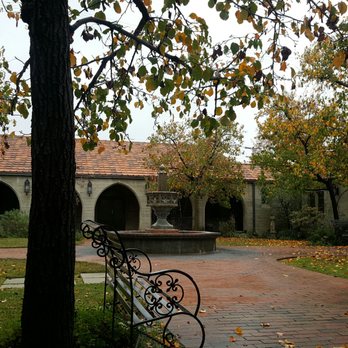
My Sanctuary.. The real beauty of silence. The essence of sounds of water flowing and dripping.. The goodness of " Mindfulness "... What a very beautiful rainy day here.... read more



9 years ago

10 years ago

10 years ago
15 years ago
15 years ago
11 years ago
More info about Saint Mark's Episcopal Church
Ask the Community - Saint Mark's Episcopal Church
Review Highlights - Saint Mark's Episcopal Church



















Why does Yelp recommend reviews?
2 reviews that are not currently recommended
The reviews below are not factored into the business's overall star rating.
7 years ago

16 years ago


