Sabino Canyon Photos


You might also consider


More like Sabino Canyon
Recommended Reviews - Sabino Canyon
Start your review...


Reviews With Photos


Sabino always delivers. I have noticed less rangers, less maintained bathrooms and trash cans (thank you Trump administration) but overall this is our favorite park in metro Tucson. Always crowded.


Absolutely breathtaking! The trails, scenery, and wildlife make every visit unforgettable. Well-maintained paths and helpful staff make exploring easy and enjoyable. A must-see for nature lovers and anyone seeking a peaceful escape.
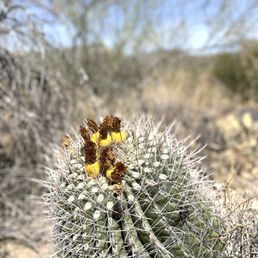

Walking on Sabino's packed dirt+sand+pebbles (or something) was far easier and required less effort than walking on loose sand like in Saguaro National Park in Tucson. Plus, my kid and I felt the surface was more stable+packed and had way better traction. We actually hit the trail on our own but you can certainly request a tour guide with a group- but do inquire about tour fees if any. We paid $0 to park. We felt relaxed being here and walking here- especially getting away from NY's winter. The sun, exposure to nature and just being away gave us a calming effect on the mind.
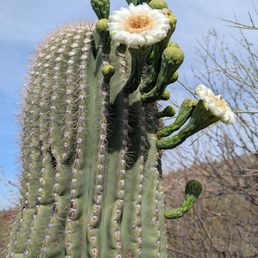

This place is a, "must see" location if you visit Tucson. And, for that matter, if you happen to live in Tucson and haven't been up there in a minute... you really need make plans to go. Sabino Canyon is an amazing place and definitely one of the Sleepy Pueblo's treasures. While there, you will experience the best of what the Sonoran desert can offer. You are gonna see rock formations that are almost unbelievably beautiful. You will likely see a vast variety of wildlife, and the place is filled with plants that are unique and fascinating. The trails that you will hike upon will reveal a variety surprises that include waterfalls, cooling pools to swim or splash around in, and high canyon walls that stand out against the deepest blue skies. Many of the trails are lined by cottonwood, sycamore, and Oak shade trees. l very much enjoy the spectacle of how light and shadows interplay with each other and blend and mix colors on the canyon walls. I first visited Sabino Canyon when I was 13 years old. At that age my interpretation of being cool was expressed by NOT showing too much excitement or emotion. But I do recall getting super excited as we hiked on trails through the canyon. This place has an affect on people and even then I felt that being there was good for the soul. I grew up near the canyon, so spent a lot of time goofing-around amongst the rock formations, cascading waters and wildlife. I ran track for Sabino High school and we had many brutal work outs on the hills there. I later would teach and coach track at a middle school that sits next to the park, and loved taking my kids on runs through the area so that they too could discover the treasures that this beloved place holds. I conclude now by saying that you will likely spot coyotes, Javalina, deer, slithering snake and crawling scaly reptiles. Not to mention, a variety of feathered creatures. Despite spending untold hours in the canyon in my youth, I never spotted Coatimundi, but apparently a troop of them has taken up residence in the area. In addition to the critters that make Sabino their home, it is also likely that you will be greeted by friendly hikers and joggers. Because the topography of the place is hilly you will probably find your heart working a little harder than it is used to. But embrace it and love it... as a visit to Sabino is good for mind, body and soul. . I can also almost guarantee that, if you visit you will come away with your spirits lifted.


Beautiful!! Stunning! All the happy spots to explore. Great walking trail that connects to a maximum amount of side trails. Super location right outside of Tucson. I'd go here a million times over.


I have been to Sabino Canyon countless times now and love it every time! There are so many good hikes to travel and take on. From smaller hikes, like parts of the Phoneline trail, to long hikes, like Seven Falls, and challenging hikes, like Blackett's Ridge, there is something for everyone! The trails are well marked and there are large signs at the front and by tram stops to take a picture of if that is helpful to you. All the trails are well traveled and you will certainly run into other friendly hikers along the way. I highly recommend trying out a trail at Sabino Canyon if you are looking for a local hike!


Winter time is a good time to visit with respect to temperature but it is dry with no water during this time. Come back in the spring and there will be water. Just an amazing place. The visitors center has trail information, snacks, drinks, a gift shop, and a museum with the history. Parking is $8 and by day it $10 for a week or you can get an annual parking pass. If you have an Interagency Pass or several of the passes that the NPS offers, you can use that to cover parking as well. Just outside the visitor center is great little coffee and snack cart too. If it's your first time here like mine, take a tram tour which takes you 4 miles up into the beautiful canyon. Make sure to grab the included headphones to listen to the audio portion of the tour in English or Spanish. Note that it is GPS driven. The tram runs every 30 min but fills up quickly so get there early or make a reservation online. Look at both sides as you go up on the tram to enjoy the stunning beauty. Once at the top you can get out and stroll the area for 10 minutes. You will be guaranteed your seats on the tram. You can also choose to either walk back from here, or ride partway and get dropped off at one of the stop you passed on the way up or go all the way back to the visitors center. Bring a water bottle and some snacks with you. You can even have a picnic as some stops have some picnic tables. A couple of stops have a bathroom and water filling stations. If you stop between stops 4-6, it is about 2 to 2.5 miles walk to the visitors center. That's what we did. If you are going off the paved road for awhile, make sure you have hiking poles, good sturdy shoes, water, snacks, a small backpack, first aid kit, sunblock, and a hat. If you don't want to take the tram, there is a small 1/2 mile loop just outside the visitor's center that gives you a look at the vegetation. You also can just hike the paved path the tram goes on to the different stops. A full out and back hike on the paved path is 8 miles. All-in-all a great way to relax and explore the canyon. I'll be back again soon.


Always a great place to get some more miles in. Get there early if you want a quiet cruise. Lots of beautiful scenery!


What a gem! My husband cannot walk far at all. This park has electric trams that take you to the top from the Visitor's Center. Allows you 5 or so minutes to look around and then will take you back down to the Visitor's Center. You have all sorts of options as to how you can visit. Combination ride/hike, ride totally, or just hike. Saw a couple roadrunners, blooms and birds. Oh! And the tram ride narrates the geology, landscape and ecosystem of the area. Would definitely like to go back. Go early as it does get busy. Even locals like this place.


This is a beautiful area but extremely crowded on a nice weekend in the winter. We parked in the overflow lot and paid via the envelope in the lock box method. There are a few trails near the lot but many are 3-4 miles or so from the parking lot which means a 6-8 mile walk in addition to whatever hike you're planning. There is a narrated shuttle for $15 a person as an option to avoid the walk to the trailheads but the shuttle was sold out. So...we stuck to the trailheads within a mile or so of the parking lot. The hikes were nice with some pretty views, birds and cacti. My recommendation would be to come during the week vs the weekend and arrive early to avoid crowds. A nice bonus is that if you do buy the week long permit, it is also good at other forest service properties.


One of my favorite places to hike/walk when it's not 90+ outside. It's so beautiful!! So many trials ranging from easy to you better know what you're doing or you might need a helicopter or hope giant eagles come and save you...jk but truly try to know your limits. They have a cute little gift shop and a tram that runs up and back for those who can't or don't want to walk which is a great way to see Sabino. They do have restrooms along the main road and a couple have a drinking fountain to refill your water bottles. Bring water always or a cup of coffee for your short morning walk :) along with a breakfast bagel then find one of the many picnic tables. Breakfast, coffee and beautiful scenery..what's not to like.


Went with the family visiting us from Phoenix, sadly it was the drier than dry part of the year, but the gift shop was even open on a Sunday and the tour of the canyon on the open tram was beautiful and majestic. It is definitely worth a visit. I would really like to return when the water is back. Likewise we hope to be back for a bloom event!


This is a Tucson Diamond. A absolute must! If you want to see water in The desert, even in scorching June, this is the place. If you want to hear the canyons history, buy a shuttle pass( in advance ) online. Tip: If you want to go on a Sat\Sun morning book at least a week in advance. There are 9 shuttle stops and each area has its own topography. For exploring the dam stop 1,Exploring the garnets in the creek, stop 6. Swimming in deep pools, stop 8. You can't go wrong (as long as you bring plenty of water) with any beautiful spot. We like to park in the additional parking (all parking $8) hike up to stop 8 and we buy the shuttle pass online for a ride back. Best of everything! This really is the Diamond of Tucson.
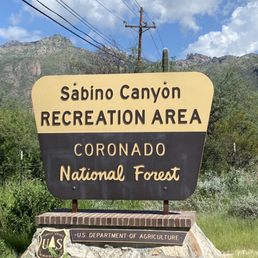

there are several great hikes here: 1. Up and down the tram road - great if you want to walk on pavement 2. Phoneline - ride the tram to the top and hike down. Tough on the knees. 3. Blackett's Ridge: scenic shorter & steeper - good option if you ware limited on time. 4. Seven Falls: best waterfall in Southern AZ when there's water. Check before you hike as it's not a great hike if there's no falls. 5. Take the tram to the end and hike up and over to Hutch's Pool. Take the tram down. For the adventurous types. The tram is worth doing if you aren't going to hike up. You'll learn a lot from the headphone lecture. This is a must-see if you are visiting Tucson. read more


10 months ago
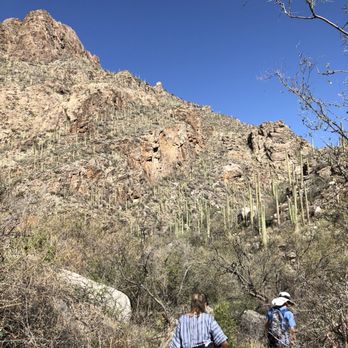
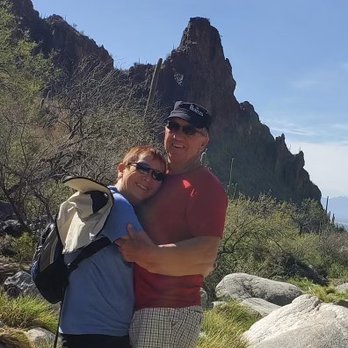
Back again, my Wife is going to do Phone Line Trail at the top of Sabino with 3 friends. Tough trail. i ll be back at 2 to pick her up. Starts at 0830. all good. read more



17 days ago

8 months ago
Sabino always delivers. I have noticed less rangers, less maintained bathrooms and trash cans (thank you Trump administration) but overall this is our favorite park in metro Tucson. Always crowded. read more


Absolutely breathtaking! The trails, scenery, and wildlife make every visit unforgettable. Well-maintained paths and helpful staff make exploring easy and enjoyable. A must-see for nature lovers and anyone seeking a peaceful escape. read more


2 years ago
Walking on Sabino's packed dirt+sand+pebbles (or something) was far easier and required less effort than walking on loose sand like in Saguaro National Park in Tucson. Plus, my kid and I felt the surface was more stable+packed and had way better traction. We actually hit the trail on our own but you can certainly request a tour guide with a group- but do inquire about tour fees if any. We paid $0 to park. We felt relaxed being here and walking here- especially getting away from NY's winter. The sun, exposure to nature and just being away gave us a calming effect on the mind. read more


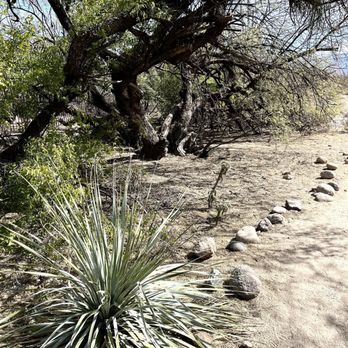


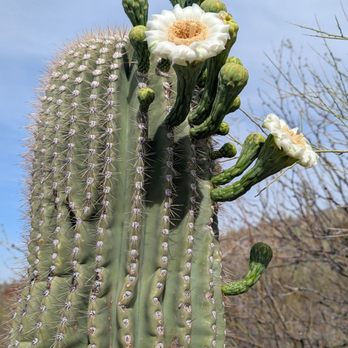
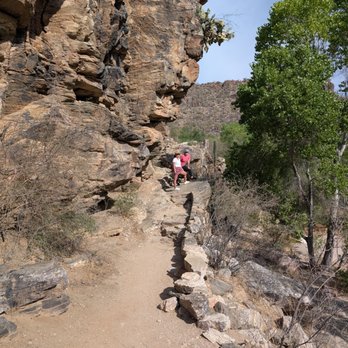
This place is a, "must see" location if you visit Tucson. And, for that matter, if you happen to live in Tucson and haven't been up there in a minute... you really need make plans to go. Sabino Canyon is an amazing place and definitely one of the Sleepy Pueblo's treasures. While there, you will experience the best of what the Sonoran desert can offer. You are gonna see rock formations that are almost unbelievably beautiful. You will likely see a vast variety of wildlife, and the place is filled with plants that are unique and fascinating. The trails that you will hike upon will reveal a variety surprises that include waterfalls, cooling pools to swim or splash around in, and high canyon walls that stand out against the deepest blue skies. Many of the trails are lined by cottonwood, sycamore, and Oak shade trees. l very much enjoy the spectacle of how light and shadows interplay with each other and blend and mix colors on the canyon walls. I first visited Sabino Canyon when I was 13 years old. At that age my interpretation of being cool was expressed by NOT showing too much excitement or emotion. But I do recall getting super excited as we hiked on trails through the canyon. This place has an affect on people and even then I felt that being there was good for the soul. I grew up near the canyon, so spent a lot of time goofing-around amongst the rock formations, cascading waters and wildlife. I ran track for Sabino High school and we had many brutal work outs on the hills there. I later would teach and coach track at a middle school that sits next to the park, and loved taking my kids on runs through the area so that they too could discover the treasures that this beloved place holds. I conclude now by saying that you will likely spot coyotes, Javalina, deer, slithering snake and crawling scaly reptiles. Not to mention, a variety of feathered creatures. Despite spending untold hours in the canyon in my youth, I never spotted Coatimundi, but apparently a troop of them has taken up residence in the area. In addition to the critters that make Sabino their home, it is also likely that you will be greeted by friendly hikers and joggers. Because the topography of the place is hilly you will probably find your heart working a little harder than it is used to. But embrace it and love it... as a visit to Sabino is good for mind, body and soul. . I can also almost guarantee that, if you visit you will come away with your spirits lifted. read more



11 months ago
I have been to Sabino Canyon countless times now and love it every time! There are so many good hikes to travel and take on. From smaller hikes, like parts of the Phoneline trail, to long hikes, like Seven Falls, and challenging hikes, like Blackett's Ridge, there is something for everyone! The trails are well marked and there are large signs at the front and by tram stops to take a picture of if that is helpful to you. All the trails are well traveled and you will certainly run into other friendly hikers along the way. I highly recommend trying out a trail at Sabino Canyon if you are looking for a local hike! read more

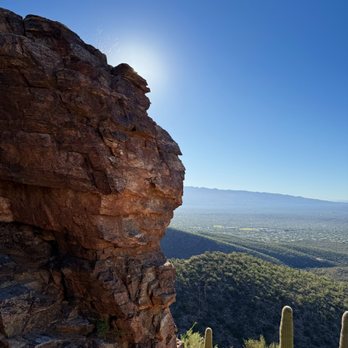


Winter time is a good time to visit with respect to temperature but it is dry with no water during this time. Come back in the spring and there will be water. Just an amazing place. The visitors center has trail information, snacks, drinks, a gift shop, and a museum with the history. Parking is $8 and by day it $10 for a week or you can get an annual parking pass. If you have an Interagency Pass or several of the passes that the NPS offers, you can use that to cover parking as well. Just outside the visitor center is great little coffee and snack cart too. If it's your first time here like mine, take a tram tour which takes you 4 miles up into the beautiful canyon. Make sure to grab the included headphones to listen to the audio portion of the tour in English or Spanish. Note that it is GPS driven. The tram runs every 30 min but fills up quickly so get there early or make a reservation online. Look at both sides as you go up on the tram to enjoy the stunning beauty. Once at the top you can get out and stroll the area for 10 minutes. You will be guaranteed your seats on the tram. You can also choose to either walk back from here, or ride partway and get dropped off at one of the stop you passed on the way up or go all the way back to the visitors center. Bring a water bottle and some snacks with you. You can even have a picnic as some stops have some picnic tables. A couple of stops have a bathroom and water filling stations. If you stop between stops 4-6, it is about 2 to 2.5 miles walk to the visitors center. That's what we did. If you are going off the paved road for awhile, make sure you have hiking poles, good sturdy shoes, water, snacks, a small backpack, first aid kit, sunblock, and a hat. If you don't want to take the tram, there is a small 1/2 mile loop just outside the visitor's center that gives you a look at the vegetation. You also can just hike the paved path the tram goes on to the different stops. A full out and back hike on the paved path is 8 miles. All-in-all a great way to relax and explore the canyon. I'll be back again soon. read more




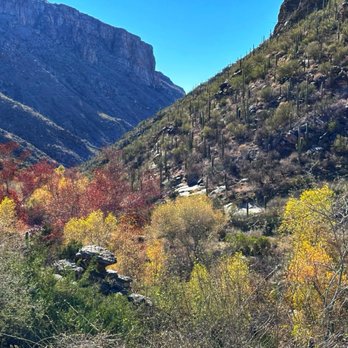


2 years ago
Always a great place to get some more miles in. Get there early if you want a quiet cruise. Lots of beautiful scenery! read more




What a gem! My husband cannot walk far at all. This park has electric trams that take you to the top from the Visitor's Center. Allows you 5 or so minutes to look around and then will take you back down to the Visitor's Center. You have all sorts of options as to how you can visit. Combination ride/hike, ride totally, or just hike. Saw a couple roadrunners, blooms and birds. Oh! And the tram ride narrates the geology, landscape and ecosystem of the area. Would definitely like to go back. Go early as it does get busy. Even locals like this place. read more


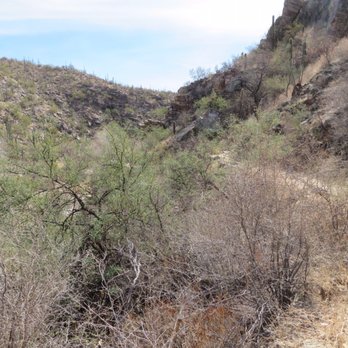
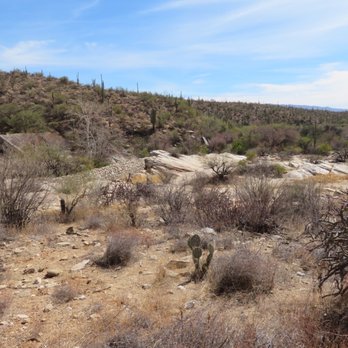
This is a beautiful area but extremely crowded on a nice weekend in the winter. We parked in the overflow lot and paid via the envelope in the lock box method. There are a few trails near the lot but many are 3-4 miles or so from the parking lot which means a 6-8 mile walk in addition to whatever hike you're planning. There is a narrated shuttle for $15 a person as an option to avoid the walk to the trailheads but the shuttle was sold out. So...we stuck to the trailheads within a mile or so of the parking lot. The hikes were nice with some pretty views, birds and cacti. My recommendation would be to come during the week vs the weekend and arrive early to avoid crowds. A nice bonus is that if you do buy the week long permit, it is also good at other forest service properties. read more




8 months ago

2 years ago
One of my favorite places to hike/walk when it's not 90+ outside. It's so beautiful!! So many trials ranging from easy to you better know what you're doing or you might need a helicopter or hope giant eagles come and save you...jk but truly try to know your limits. They have a cute little gift shop and a tram that runs up and back for those who can't or don't want to walk which is a great way to see Sabino. They do have restrooms along the main road and a couple have a drinking fountain to refill your water bottles. Bring water always or a cup of coffee for your short morning walk :) along with a breakfast bagel then find one of the many picnic tables. Breakfast, coffee and beautiful scenery..what's not to like. read more


1 year ago
Went with the family visiting us from Phoenix, sadly it was the drier than dry part of the year, but the gift shop was even open on a Sunday and the tour of the canyon on the open tram was beautiful and majestic. It is definitely worth a visit. I would really like to return when the water is back. Likewise we hope to be back for a bloom event! read more


This is a Tucson Diamond. A absolute must! If you want to see water in The desert, even in scorching June, this is the place. If you want to hear the canyons history, buy a shuttle pass( in advance ) online. Tip: If you want to go on a Sat\Sun morning book at least a week in advance. There are 9 shuttle stops and each area has its own topography. For exploring the dam stop 1,Exploring the garnets in the creek, stop 6. Swimming in deep pools, stop 8. You can't go wrong (as long as you bring plenty of water) with any beautiful spot. We like to park in the additional parking (all parking $8) hike up to stop 8 and we buy the shuttle pass online for a ride back. Best of everything! This really is the Diamond of Tucson. read more


The Mr and I wanted to see and learn about the Sabino Canyon. The tram was a great way to do both since neither of us were dressed or prepared to hike. We took the 9:00 tram ($15 each) and was looking forward to the commentary as well as the ride. It was a somewhat difficult to hear because the audio system was a little weak. It didn't help the people behind us, had no interest in the audio, and talked non-stop. Later we stopped in the well done Visitor's Center, and filled in the gaps we missed on the commentary. We took several pictures along the way and throughly enjoyed the magnificent scenery. I don't think I will ever tire of gazing at the saguaro cactus. It has a beauty all its own. I always love the look and sound of running water and the tram crossed many bridges giving us excellent photo ops. Sabino Canyon is beautiful and we were so glad we got to see it! Highly recommended! read more
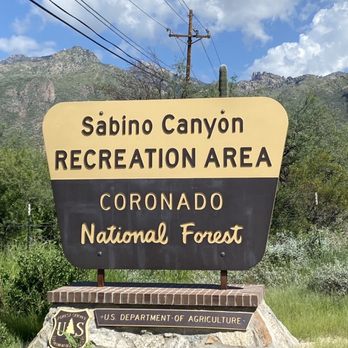


Hiked here with family over Thanksgiving weekend. Beautifully groomed trails and awesome scenery in every direction. We did Sabino x Phone Line loop and it was a relatively easy 11 mile out and back. The loop would have forced us to hike back on the asphalt road. We opted to stick to the trail and just did an out and back. Unlike the trails here in Phoenix... everyone practiced trail etiquette and no one had shitty music at full volume out of their generic Bluetooth speaker. It was a great hiking experience. read more


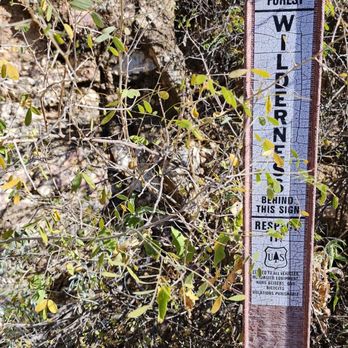

1 year ago


I've been coming here for so many years, I can't remember the first time. I like to run either in the many trails or up the road to the end and back. There's enough scenery and elevation gain to keep it interesting while challenging. See my photos for examples of running on the phone line trail. read more


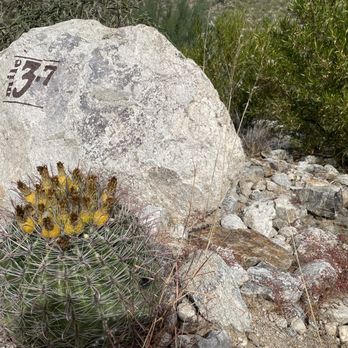

2 years ago
This is such an a amazing public location offered to the public for sight seeing and hiking, brisk walks and exercise almost ever day of the year. A guided tram ridis available for those hot days that tourists and locals aren't wanting to walk the canyon. read more


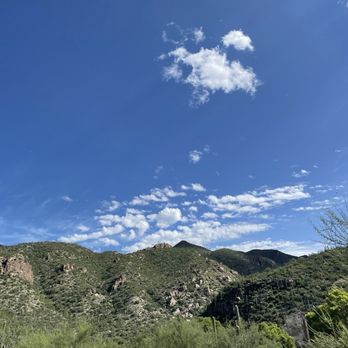


4 years ago

4 years ago
Great place to walk it take a tram ride and connect with nature. Entrance fee is $8 a day unless you by a weekly pass or a season park pass. The tram ride is&15 per adult and is an hour long 7.1 mile round trip. There are many trails to walk or ride on but just dress for the terrain and bring plenty of water. read more


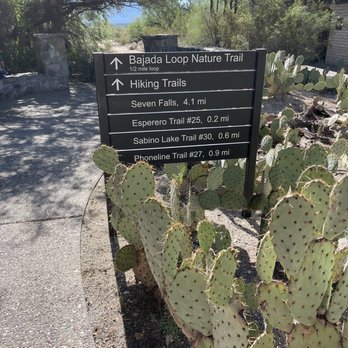


this is an absolute must if you find yourself in tucson! if you're athletic and adventurous you can choose from trails to hike. (there were a lot that are currently closed so best suggestion is to go inside visitor center and ask the park staff what the latest accessibility is.) if you're not up for the heat it or the exercise, the tram is such a low impact awesome choice that will enable people of all ages to go 3.7mi up into the canyon and then come back down or choose to walk some or all of the distance because you can catch the tram back down at any of the nine stops along the way. we went on a weekday and i could see where this would be an absolute ZOO on weekends. the parking lot was fairly full when we arrived in the early afternoon but it was the coolest day of the week (mid 70's as opposed to close to normal 90's) and we were back down to the car and a much less full parking lot three hours later. the park staff were super helpful and not jaded about having to deal with crowds of people. there was a woman who was standing at the tram ticket kiosk helping people to purchase tickets, the visitor center staff were lovely to engage with and ask questions to and the tram driver had a great sense of humor and exercised amazing patience with the varied riders. it's a gorgeous area and you shouldn't miss it if you want to see saguaros as far as the eye can see! it's also a great spot for locals to show off to new transplants or visitors. basically, it's a gem of a place and while there are certainly other hiking and nature options in the area, i truly believe everyone should go to savino canyon at least once! i'm a huge proponent of supporting the parks service and enabling these kinds of areas to exist for the enjoyment and education of all! read more


There are numerous trails you can take along Sabino Canyon. We took the trail that goes to Seven Falls after taking the shuttle. The shuttle has a ride I believe 1-2 times an hour on the half hour and is $6 per person that is round trip. You can pay by the machine or the driving can take card as well on the shuttle. From the shuttle stop to the falls are approximately 2.9 miles each way and is a nice little adventure. You have to go through the river numerous times throughout the trail and there are times you'll lose the trail and can't go wrong when you follow the river. Definitely recommend it. And if you have time jump in the water a little. Might be the cleanest and is a bit on the chilly side. But I've never really known of hot waterfalls . If you have, please pass on the knowledge. read more


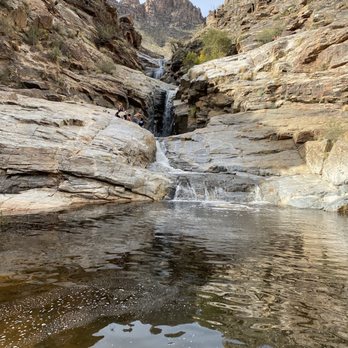

1 year ago

Nice. Clear and clean. Went for a short 4.5 mile (return trip inclidhike to the dam. Pleasant walk. Get a pass and parking is included. $20 for the year or $5 per visit. Pass works for other things such as Mt Lemon. A Tucson escape. So close and so beautiful. Something to be treasured and explored. There is so much to explore. read more


2 years ago

Plenty of places to hike social distanced from others and where that did not happen people gave each other space or did put on face masks. I noticed new signs up: a no dogs one and a warning regarding mountain lions. I also noticed new gates to possibly close them if the need ever is to keep people not entering what was a burn area or where water can come flooding down in to the park, all possibly precautions taken after having the Bighorn Fire up above this park area. The shuttle is available too. Always great to be outdoors. A wonderful space to visit. read more


Thanks to the USDA Forest Service for providing such an awesome hiking / biking destination. The trails here are scenic, well marked and worth multiple days of hiking. The park's main road (which is car free) is open to bikes 5 out of 7 days a week before 9am and after 5pm. I biked multiple days here on both a road bike and a hybrid ... the 3.45 mile climb up is challenging and the descent is fun, just be sure to slow down for bridge crossings and yield to pedestrians. More suited to hybrids or gravel grinders IMO as the road is rough in spots. We hiked multiple days here and loved the scenery. For those who want, you can pay to take an electric tram up the road to access different trailheads. read more
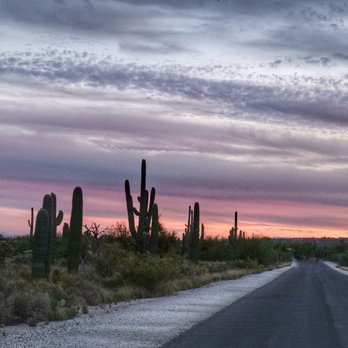

One of my favorite hiking spots in the Tucson area, do it on a weekday if possible to avoid crowds and go early. The great thing is there is plenty of parking if u arrive at a reasonable hour, also free for National Park Pass Holders. The Park Staff was super friendly and really made it a nice experience, got some great Smokey Bear T-Shirts that we never saw anywhere else. They also provided some cool Smokey Bear swag for my little sister after hearing about her love of Smokey. The Hike we did was 7 Falls from the parking lot, we skipped the shuttle (still trying to social distance as much as possible) - the trail is very nice, saw some wildlife on the way up (early morn) deer, rabbits & roadrunners after mid-morn the trail was crowded & wildlife dispersed. Most hikers were considerate, and took turns at choke points allowing each other to pass. We really only ran into one group that barreled thier way up the trail & made no move to share the trail. The hike was moderate, just go early before it gets too hot & bring water (plenty of it). The views are beautiful, the falls were quite crowded, so we decided to picnic on way back at an area that the water flowed through and had plenty of space to spread out, take a break and soak some feet. read more


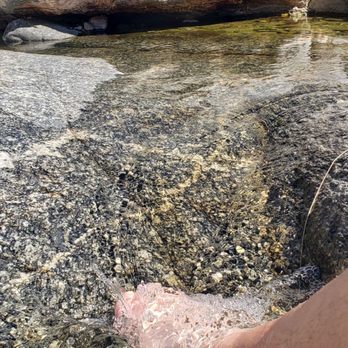

Beautiful hiking area with knowledgable rangers! The visitor center parking area is usually packed on the weekends, so arrive early if you can. The visitors center has plenty of information on all available hikes and if you ask, the rangers can give you plenty of tips and tricks. We did the Seven Falls hike and did not take the tram - making it about an 8.6 mile round trip hike. Very easy hiking in my opinion and we accomplished it at a leisurely pace with plenty of stops in about 3-4 hours. There is an option to pay for a tram ride the first two miles of the hike, cutting your round trip mileage down to about 4.6 miles total. The trams come every half hour and I believe are only a couple dollars per person. Lots of wildflowers along the first couple miles as well this time of year read more


2 years ago

5 years ago
Accessible for all abilities. We looked hard for outdoor activities during Covid so that we could protect our frail grandparents but still do things together during the holidays. It was a very cold windy December day but wind jackets kept us comfortable. Our family included those who hiked the ridge all the way down, and probably could have hiked all the way up too. It also included a wheelchair. It was lovely to ride all the way up the canyon (THANK YOU for requiring mask wearing while we were in close quarters!) The narrative was informative and entertaining. We got off at the top for a minute then the wheelchair contingent got back on and went two stops down before getting off to roll the rest of the way down. We stopped at every water crossing and loved the view. The wheelchair pushers took turns and we all got a good workout. For coming "down" a canyon there was a LOT of uphill stretches. Probably too much if your wheelchair engine isn't in shape. It was an absolutely delightful day. And we all ended up back at the visitor center at the same time. read more


Page 1 of 9
More info about Sabino Canyon
5700 N Sabino Canyon Road
Tucson, AZ 85750
Directions
(520) 749-8700
Call Now
Visit Website
https://www.fs.usda.gov/recarea/coronado/recarea/?recid=75425
Hours
Indoor Amenities
Outdoor Amenities
Ask the Community - Sabino Canyon
Are dogs Allowed here?
Pets are not allowed in Sabino Canyon, Service Animals as defined by The Americans with Disabilities Act are authorized.
I am a widow hiking alone, do the parks offer any group hikes?
Hi there! Does anyone know if there are transportation options, outside of renting a car, to the Sabino canyon from Arizona University?
I have ridden a bicycle, and I would imagine that Uber/Lyft or a taxi would get you there. I am not aware of any bus lines hat run out there. For the sake of clarity, I hope you mean The University of Arizona (in Tucson) rather than Arizona…
Review Highlights - Sabino Canyon















Why does Yelp recommend reviews?
24 reviews that are not currently recommended
The reviews below are not factored into the business's overall star rating.
8 years ago

4 years ago


9 months ago
14 years ago

13 years ago

14 years ago

13 years ago

11 years ago
4 years ago

13 years ago

10 years ago

12 years ago

10 years ago
11 years ago
2 years ago

1 month ago

11 years ago

16 years ago

14 years ago


