Services - Projx2Print
Copymaking services
Lamination
Projx2Print Photos


You might also consider


More like Projx2Print
Recommended Reviews - Projx2Print
Start your review...
Reviews With Photos


Great service and wonderful customer care!!!! Do not forget to grab a free sticker, as a memory of the quality and professionalism.


5 stars! Excellent customer service. Quick and efficient. High quality work. Highly recommend

Thank you so much Projx@print for accommodating my son for his signs obsession. It does made him so happy every time we go to your shop. I am so grateful that I found your store, I use it all the time to make my son agree ( bribe) to do his routine. I am blessed and grateful that I discovered your shop. Plus point your understanding and professionalism.. thank you and I will be definitely a regular and spread your awesome work.. thank you and God bless.. Leonora and Luis
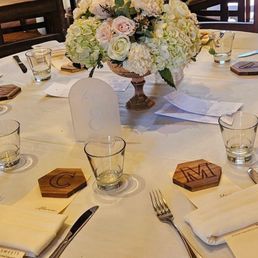
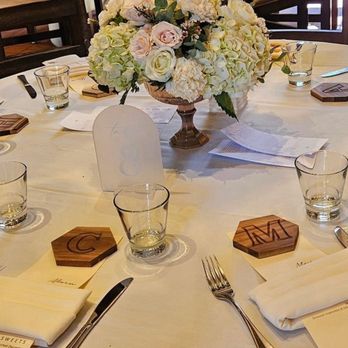
Exceptional work by Isaiah and the team at Projx2Print! Asked Isaiah if it was possible to make wedding favors with a particular type of wood and they made it happen in a literal 3 days! Trusting them from past experiences and knowing the job was going to get done, I was able to rest easy knowing this idea for our guests was taken care of. They even were able to make a more elaborate design with extra text but we opted for just the initials. Once I picked them up, they looked fantastic and the quality of the job was the best I could ask for! Highly recommend them! They are consistent with communication, responsive and very easy to work with. I'd trust them anytime with any engraving needs and projects! Also stop by and check out their work displayed, if you have an idea of something, i I think they could make it work!


Their work is the best! Projx was so helpful. Best of all they made it really easy for us. We wanted a vynl that would generate more foot traffic and boy did it. We had it cover our window and door. Raquel, their graphic designer, provided a lot of insight on what would best fit our company. If your company needs sticks, business cards, vynl covers, custom designs, etc. Call them!


4 months ago

22 hours ago

2 years ago
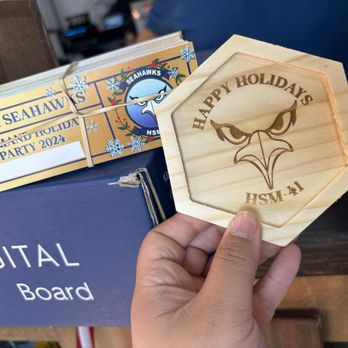
Thank you Projx2Print! We needed some last minute work done for our command holiday party and they pulled through. Went to them on Monday and Tuesday and they were able to laser engrave some coasters for me and get us ticket stubs for our holiday party. Amazing people and is willing to work with you and help you find a solution. We at HSM-41 appreciate all your hard work! Can't wait to do more business in the future! read more

1 year ago

1 year ago

2 years ago
Great service and wonderful customer care!!!! Do not forget to grab a free sticker, as a memory of the quality and professionalism. read more

2 years ago


9 months ago
11 months ago
2 years ago
Thank you so much Projx@print for accommodating my son for his signs obsession. It does made him so happy every time we go to your shop. I am so grateful that I found your store, I use it all the time to make my son agree ( bribe) to do his routine. I am blessed and grateful that I discovered your shop. Plus point your understanding and professionalism.. thank you and I will be definitely a regular and spread your awesome work.. thank you and God bless.. Leonora and Luis read more

2 years ago
Exceptional work by Isaiah and the team at Projx2Print! Asked Isaiah if it was possible to make wedding favors with a particular type of wood and they made it happen in a literal 3 days! Trusting them from past experiences and knowing the job was going to get done, I was able to rest easy knowing this idea for our guests was taken care of. They even were able to make a more elaborate design with extra text but we opted for just the initials. Once I picked them up, they looked fantastic and the quality of the job was the best I could ask for! Highly recommend them! They are consistent with communication, responsive and very easy to work with. I'd trust them anytime with any engraving needs and projects! Also stop by and check out their work displayed, if you have an idea of something, i I think they could make it work! read more

3 years ago

3 years ago
2 years ago

3 years ago

3 years ago

3 years ago
3 years ago

5 years ago
Their work is the best! Projx was so helpful. Best of all they made it really easy for us. We wanted a vynl that would generate more foot traffic and boy did it. We had it cover our window and door. Raquel, their graphic designer, provided a lot of insight on what would best fit our company. If your company needs sticks, business cards, vynl covers, custom designs, etc. Call them! read more


6 years ago
Outstanding service and attention to detail. From small projects like printing documents to doing customized apparel and merch - Projx Print is the way to go! They have quality products and the staff is kind and knowledgeable. Shop local! This spot is such a great addition to the 3rd Avenue neighborhood. They helped my Mom out who isn't very tech saavy and were very patient. Affordable & fast - don't sleep on them! Mario and Isaiah are the best! read more

2 years ago
2 years ago
3 years ago

3 years ago
2 years ago

4 years ago

4 years ago
3 years ago
2 years ago
2 years ago
2 years ago

6 years ago

4 years ago
2 years ago
3 years ago

4 years ago
4 years ago
3 years ago
Page 1 of 2
More info about Projx2Print
Ask the Community - Projx2Print
Review Highlights - Projx2Print
You might also consider



Why does Yelp recommend reviews?
17 reviews that are not currently recommended
The reviews below are not factored into the business's overall star rating.

2 years ago

10 months ago

6 years ago
6 years ago
4 years ago
2 years ago

6 years ago
5 years ago
3 years ago
4 years ago

6 years ago
6 years ago
4 years ago

5 years ago
2 months ago

3 years ago
3 years ago


