Practical Recovery
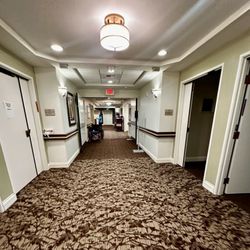
Practical Recovery Photos



You might also consider


More like Practical Recovery
Recommended Reviews - Practical Recovery
Start your review...



3 months ago
3 years ago
5 years ago
4 years ago

10 years ago

11 years ago
Business owner information

Tom H.
The workbook (Sex, Drug, Gambling & Chocolate) was written to be a…
14 years ago
Business owner information
Tom H.
Unlike many rehabs, at Practical Recovery residents are free to leave…
15 years ago
Business owner information
Tom H.
Someone who is not pleased about being in residential treatment, for…
10 years ago
I am currently at one of the facilities run by this company and so I am writing this anonymously as I don't wish to have to deal with the layers of BS that I have already been given from them. I read the comments of another poster and I am also am totally dissatisfied with some recent changes that have been made. The sober program I am at is being run now by an inefficient and inexperienced kid in his 20's, who seems to think that this is a frat house. We initially had good quality staff who were respectful, very caring and interested in our progress and although the sober house is in need of updating and repair, I overlooked it because I felt supported. Not any more. Without warning this young kid announced he was in charge and now I am paying good money to be treated rudely by a young kid whose momma didn't teach him manners. The only thing this company cares about is money. Their doctors attempt to charge huge amounts for unnecessary tests. I read what Horvath wrote in response to negative posts. Yes we DO have the choice as to whether or not we stay but if people are not happy and you are don't listen to the reasons then that's bad business practice. It shows you don't care. Update: If I could leave less than one star for this company then I would. Their 'administration' have totally failed to listen to us, the paying clients, when we have voiced our opinions. We are paying around $5,000 a month to live here and yet we are treated with total disrespect. We are not paying to be bullied and intimidated by staff. We are paying to receive support and mentorship. We had that in place before administrators stepped in, took that away our supportive house manager and replaced it with a rude young punk who lets his girlfriend secretly spend the night, is openly inappropriate with other female clients in front of the rest of us and has no clue how to do the job. Now we have staff members who are confrontational and aggressive, and an administrator who is so ineffective at her job that she's inviting a law suit. They will be loosing my business over this and I'm not the only one. Don't put your money into their pockets - there is no quality or customer service here. As a previous poster suggested, find a place where they care about their clients wishes and needs. Response to Tom Horvath. Giving honest feedback does not constitute behaving badly. You have not addressed the concerns I mentioned. 1. The young male staff member who entertains his girlfriend overnight and allowed another young female, in the bedroom of clients at 11pm, which is past the curfew and against policy of clients having others in their rooms. 2. Same young male staff member who enters the bedroom of a female client while she is sleeping and stands over her bed, despite being told by his supervisor 2 times that he will no longer try to have conversations in her bedroom with the door closed. 3. Same staff member who announces he is running the house before we even knew you had made the huge mistake of removing the existing manager and his wife. I have posted his Facebook page stating clearly he is the Sober Living manager. 4. Same staff member who is consistently rude and disrespectful to us, your paying clients. I want to also hear what you have to say about coming in to our IOP and telling us that you had fired our house manager and then telling us why. There were clients who didn't even know this guy and you told them his personal details. That is a huge mistake right there. Are you familiar with employment law? Clearly not. How about your female administrator who lies consistently to make things palatable? Stop deflecting. Complaints have been made. I have not read anything that states you will look in to these allegations and take action. Your response shows a lack of customer service and poor business ethics. You read on a public forum that one of your staff has had females that don't live in your sober living coming over and staying the night and being in the bedroom of clients and you talk about your clients behaving badly? No. I think your ethics are at question. read more
Business owner information
Tom H.
Unlike facilities based on a powerlessness approach, we encourage our…

14 years ago
Business owner information
Tom H.
The expense of rehab (or treatment generally) needs to be considered…

11 years ago

12 years ago

13 years ago
Business owner information
Tom H.
Sometimes it takes someone several episodes of treatment before…

10 years ago
Business owner information
Tom H.
Treatment records are released once a valid authorization to do so…
13 years ago
Business owner information
Tom H.
Although we can neither confirm nor deny whether someone has been a…

11 years ago
12 years ago
12 years ago
14 years ago
Business owner information
Tom H.
We want everyone who needs to change an addiction, whether that…
10 years ago
11 years ago
14 years ago
Business owner information
Tom H.
However and whenever someone makes needed changes, it is exciting to…
More info about Practical Recovery
8950 Villa La Jolla Dr
Ste A220
La Jolla, CA 92037
Directions
(800) 977-6110
Call Now
Visit Website
http://www.practicalrecovery.com/
Hours
Payment methods
Other Amenities
From the Business
Ask the Community - Practical Recovery
Review Highlights - Practical Recovery
You might also consider


































Why does Yelp recommend reviews?
8 reviews that are not currently recommended
The reviews below are not factored into the business's overall star rating.
14 years ago
14 years ago

12 years ago
7 years ago

16 years ago

7 years ago
4 years ago
10 years ago


