When we buy food, we forget to ask ourselves, where did this cow come from? And what did the cow eat? And who killed this cow in order to provide me and my family this hamburger tonight?
PP is a Denver based farm-to-door delivery grocer. It's similar to InstaCart but they partner with local farms to bring you ethnically raised meats. Here's their mission listed on their website:
YOU ARE WHAT YOU (M)EAT!
We should only be eating animals and vegetables that are fed their natural food sources and never given GMO feed, growth hormones, pesticides, or other nasty stuff.
They offer a weekly / monthly subscription service which meats veggies and eggs. You can also order Al La Carte in the PP market. They even have coffee, seafood, and a grass fed organ grind for your dog.
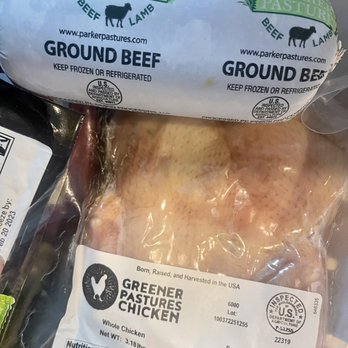
All the beef products come from Parker Pastures based in Gunnison Colorado. Parker Pastures Beef
Our cattle are 100% pasture-raised, grass-fed, and grass-finished. "Finished" is the key word because some ranchers will fat up the cattle with grains about a year before the slaughter.
My first order had grass fed Beef bone marrow, 4 pounds of ground beef, 2 pounds of dog grind, and a whole chicken from Greener Pastures from Arkansas. I figured the supplier change from time to time and I trust PP in their selection choice.
Eating bovines is probably not sustainable to the world because of human over population. But that doesn't change the fact that pasture raised cattle is healthy for your body ody and the grazing of cattle is actually good for Mother Earth because shepherds have been doing this for thousands of years.
I highly recommend everyone watch the documentary "Sacred Cow" on Tubi to better understand the power of regenerative agriculture and to move away from the industrial food system.
PS- The first early humans existed between 4-6 million years ago, long before we figured out hunting tools and making fire, taste for the fat in scavenged bone marrow might have offered humans the nutrition needed to develop bigger brains. The human brain consumes 20% of the body's energy at rest, or twice that of the brains of other primates, which are almost exclusively vegetarian.
The hypothesis above was from a joint research paper written in 2019 by anthropologists from University of Oxford, ASU, Chicago, and Yale. read more