When I first met with David, I felt seen and validated. I trusted the process fully. He asked me…read morenot to look up side effects before I committed to the treatment by paying the fee, so that my anxiety would not interfere. This seemed reasonable at the time, and I personally believe that David had good intentions. After I paid, I recall the conversation leaving me with the understanding that there weren't any side effects I needed to be concerned about. I am not saying he was intentionally dishonest, but I wish I had researched them myself.
I developed severe side effects, including uncontrollable physical and cognitive anxiety, extreme daytime sleepiness, and altered visual perception. When I told David, he dismissed and invalidated my concerns, insisting that the symptoms had nothing to do with the treatment. When I asked why he had not informed me about possible side effects, he questioned why I hadn't looked up possible side effects myself and implied that it was my responsibility to do so. That response was profoundly unethical. As a mental health provider, it is his responsibility to disclose potential side effects, not the client's responsibility to guess them.
Although neurofeedback is often advertised as non-invasive and side-effect-free, research shows that it can cause significant side effects. Neurofeedback changes brain function. Even if no current is being sent into the brain, the algorithm reinforces some brainwave states while discouraging others, which reshapes how the nervous system regulates itself. Side effects can include worsened anxiety, agitation, mood changes, and disrupted sleep because the brain is being trained away from its natural rhythms.
This affects the entire body, as brainwave patterns influence the autonomic nervous system, hormones, and sleep cycles. Any provider who claims a treatment can significantly change brain function for the better but refuses to acknowledge that it can also cause harm is not appropriately trained in the science behind psychological treatments.
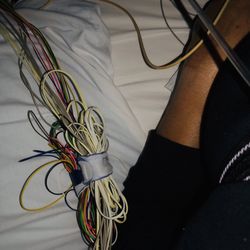
My side effects left me terrified that my brain had been permanently altered, and I was left to face that alone. David refused to answer further questions until I mailed back the equipment, simply because I had expressed that I was upset. I returned it immediately and never intended to withhold it.
Over time, I became suicidal due to the severity of the side effects. I want to be clear that I am not saying David caused me to feel suicidal. However, he failed to fulfill his ethical duty of care and did not show empathy or accountability when I was in distress.
When I later consulted licensed neurofeedback doctors, they confirmed that I was experiencing acute side effects from the treatment. After three months and intensive mental health care, my symptoms began to fade, and I am doing well now.
This was a traumatic experience, not because neurofeedback itself is inherently harmful, but because of the lack of transparency and support I received on top of the strength of the side effects I was experiencing. David may have followed the technical steps correctly, but he failed to inform me of the risks and treated me with deep disrespect once I raised concerns.
If you decide to pursue neurofeedback, please research thoroughly and choose a provider who will treat you with respect, transparency, and empathy and who will openly discuss both benefits and risks.