Founded in the 1870s and named after pioneer Casper Neil Mims, Mims is an unincorporated community…read morein Brevard County that grew into a thriving citrus and timber center following the arrival of the Florida East Coast Railway in the 1880s. The community also holds a significant place in American history as the home of pioneering NAACP activists Harry T. and Harriette V. Moore.
While visiting Mims, I came across this blue historical marker, part of Florida's Historical Marker Program, one of the Division of Historical Resources' most recognized public history initiatives. These markers commemorate significant people, places, and events throughout the state and can be found along roadways, at archaeological sites, battlefields, cemeteries, colleges, historic districts, schools, and churches. Historical Marker F-408 was erected in 1999 by the Brevard County Board of County Commissioners and the Florida Department of State.
The marker stands on the site of the former home of educators and civil rights activists Harry T. and Harriette V. Moore. Both were teachers in Brevard County, Harry served as a principal, while Harriette taught sixth grade before later becoming an insurance broker. Harry was eventually dismissed by the school board because of his activism and efforts to organize for equal pay. In 1937, with assistance from Thurgood Marshall, Harry Moore filed the first lawsuit in the South seeking equal salaries for Black and white teachers.
Following his dismissal, Moore became a full-time civil rights activist with the NAACP. He organized the Progressive Voters League of Florida, leading voter registration campaigns that helped register 31 percent of Florida's eligible Black voters by 1950. In 1934, he founded the first Brevard County branch of the NAACP and served as its president for five years. From 1941 to 1946, he was president of the Florida State Conference of NAACP Branches before becoming its executive director, a position he held until his death.
On Christmas night in 1951, also the Moores' 25th wedding anniversary, a bomb planted beneath their bedroom by members of the Ku Klux Klan exploded, killing the couple. Harry Moore died that night, and Harriette succumbed to her injuries nine days later. Their murders were the first assassinations of civil rights activists during the modern Civil Rights Movement and the only instance in which a husband and wife were both killed in the movement. Five separate criminal investigations later uncovered evidence implicating four suspects in the bombing, but no arrests were ever made.
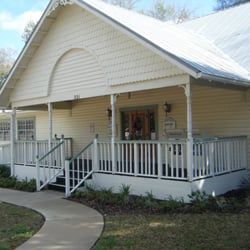
In 1999, the Moore homesite was designated a Florida Heritage Landmark. Five years later, Brevard County dedicated the Harry T. & Harriette V. Moore Memorial Park and Interpretive Center, where visitors can learn more about their lives and legacy. The site also features a full-scale recreation of the Moores' home, so we can all remember their sacrifice and lasting impact on the struggle for civil rights.