
Mulberry Farm Photos


You might also consider


More like Mulberry Farm
Recommended Reviews - Mulberry Farm
Start your review...


Reviews With Photos
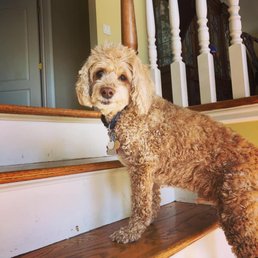
I met Carol 17 years ago. At our first meeting I clearly remember her caring, transparent nature. She makes sure her animals go to a loving home capable of providing nurturing care and love. Pepe, our apricot cockapoo had such a profound impact on our family. I truly believe I survived all my chemo/radiation treatments due to him always shedding a positive light in our lives. Everyday was a gift and we were so blessed to have had him in our lives thanks to Carol. We are looking forward to welcoming a new puppy in our home. Here is Pepe at 16.5 years of age.

the owner, Carol, was incredibly rude and curt with me. i was considering purchasing a puppy from her, and when i voiced my concerns over a social media post she made. she said that i needed to "take my frustration elsewhere" and not be sarcastic with her. then she blocked me. this breeder does not provide transparency, answer questions about her business, or engage in good customer relations. i am offering up this review for others who are in a similar situation and really care about where and who is raising their pets until they come home. it was unfortunate to come here to see other reviews with similar interactions with Carol. i will get a dog from another breeder.


My cavapoo KC recently had his 1st birthday so I thought I'd finally sit down to write a review of Mulberry Farms. Carol is the most warm and wonderful breeder I've ever met. I went to meet her before she had a puppy available and loved her operation. Everything is clean and organized and she is open and forthcoming about the process. I went back when KC was born, then again to visit him when he was 6 weeks old snd finally to bring him home. Each time she welcomed us into her home and answered all of our questions. Over the past year I've called her to ask for her opinions about food and training. She's a wealth of information! I've also called just to say hi and thank you for such a delicious dog! Best of all she has a yahoo bulletin board running so that she and owners can talk about everything related to our dogs. If you're interested in poos, she is the best there is!
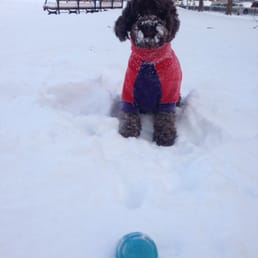

I was lucky enough to have a Mulbery puppy given to me as a gift 8.5 years ago. The breeder was researched and interviewed and references were called. I thought I was interviewing the breeder but in hind sight, the breeder was interviewing me. Luckily I passed the interview. Since then I have referred 5 friends to Mulbery Farm. All of the dogs are fabulous! The are sweet, playful, smart, healthy and devoted. The cockapoos are an adorable breed with just the right mixture of cuteness and smarts. The breeder has a magic touch. I love walking in the parks and spotting a Mulbery dog.... They have a certain look like no other. Needless to say my dog is an integral part of my family... Thank you Carol!


Carol is great! All of her dogs are the most loving dogs I have ever met. Roxy is part of our family now and we are so glad to have found her with Carol!!! Thank you so much!

I can't imagine a better dog breeder. We consider outselves so fortunate to have our wonderful, now almost 11 year old, cockapoo. Our cockapoo is wonderful. Yes she has had a few minor medical issues along the way but this breeder and her community of cockapoo owners has provided me with plenty of support in dealing with them. This breeder is as interested in the suitability of owners as owners are in the suitability of their dogs. She is available to answer any and all questions based on her extensive experience raising cockapoos. If I can convince my husband to get another puppy, there is no quesiton of where we would get it.


9 years ago
My Cockapoo, Bailey, came into my life two years ago. He Was five pounds when I brought him home and now weighs 17 pounds. Watching him grow from a feisty little pup into a beautiful teenager has been more than wonderful.. I was very conscientious about his training and it was worth all the time and effort. This past week, Bailey past the therapy test given by Intermountain Therapy Dogs. He will now be approved to visit patients in hospitals and the elderly in senior citizen homes. But I decided that Bailey and I will visit children who have problems learning to read. Statistics have shown that children with reading difficulties improve remarkably when a therapy dog is sitting near by while the child is trying to improve his skills. When I went to Mulberry Farms to select my puppy, Carol brought out 3 or 4 puppies. Three females and one male. I was told that Bailey was born without any fur on his head. Perhaps that is why he wasn't adopted earlier. He was several weeks older than the other pups. Although I wanted a female, he and I just connected. He was the dog for me. Carol told me to come back in a few days to pick him up. She bathed him and had all the necessary paraphernalia that I purchased ready for me. Since Bailey was my first dog in many years, I had a lot of questions. Carol was always available to offer advice. There are four Cockapoos in my family. Each one beautiful, smart and loving. Carol is an amazing breeder and dog lover. You don't have to look for any other place because you'll find the best at Mulberry Farm. By the way, Bailey now has a full head of hair. JK Mamaroneck NY read more


1 year ago

6 years ago
I met Carol 17 years ago. At our first meeting I clearly remember her caring, transparent nature. She makes sure her animals go to a loving home capable of providing nurturing care and love. Pepe, our apricot cockapoo had such a profound impact on our family. I truly believe I survived all my chemo/radiation treatments due to him always shedding a positive light in our lives. Everyday was a gift and we were so blessed to have had him in our lives thanks to Carol. We are looking forward to welcoming a new puppy in our home. Here is Pepe at 16.5 years of age. read more
6 years ago
the owner, Carol, was incredibly rude and curt with me. i was considering purchasing a puppy from her, and when i voiced my concerns over a social media post she made. she said that i needed to "take my frustration elsewhere" and not be sarcastic with her. then she blocked me. this breeder does not provide transparency, answer questions about her business, or engage in good customer relations. i am offering up this review for others who are in a similar situation and really care about where and who is raising their pets until they come home. it was unfortunate to come here to see other reviews with similar interactions with Carol. i will get a dog from another breeder. read more

10 years ago
My cavapoo KC recently had his 1st birthday so I thought I'd finally sit down to write a review of Mulberry Farms. Carol is the most warm and wonderful breeder I've ever met. I went to meet her before she had a puppy available and loved her operation. Everything is clean and organized and she is open and forthcoming about the process. I went back when KC was born, then again to visit him when he was 6 weeks old snd finally to bring him home. Each time she welcomed us into her home and answered all of our questions. Over the past year I've called her to ask for her opinions about food and training. She's a wealth of information! I've also called just to say hi and thank you for such a delicious dog! Best of all she has a yahoo bulletin board running so that she and owners can talk about everything related to our dogs. If you're interested in poos, she is the best there is! read more


6 years ago

6 years ago
5 years ago

14 years ago
Business owner information

Carol B.
Dear Anonymous..…

13 years ago
I was lucky enough to have a Mulbery puppy given to me as a gift 8.5 years ago. The breeder was researched and interviewed and references were called. I thought I was interviewing the breeder but in hind sight, the breeder was interviewing me. Luckily I passed the interview. Since then I have referred 5 friends to Mulbery Farm. All of the dogs are fabulous! The are sweet, playful, smart, healthy and devoted. The cockapoos are an adorable breed with just the right mixture of cuteness and smarts. The breeder has a magic touch. I love walking in the parks and spotting a Mulbery dog.... They have a certain look like no other. Needless to say my dog is an integral part of my family... Thank you Carol! read more

12 years ago

12 years ago
Carol is great! All of her dogs are the most loving dogs I have ever met. Roxy is part of our family now and we are so glad to have found her with Carol!!! Thank you so much! read more
7 years ago
12 years ago
Business owner information
Carol B.
Apparently the only person you didn't see fit to call was me. I can…

10 years ago
13 years ago
I can't imagine a better dog breeder. We consider outselves so fortunate to have our wonderful, now almost 11 year old, cockapoo. Our cockapoo is wonderful. Yes she has had a few minor medical issues along the way but this breeder and her community of cockapoo owners has provided me with plenty of support in dealing with them. This breeder is as interested in the suitability of owners as owners are in the suitability of their dogs. She is available to answer any and all questions based on her extensive experience raising cockapoos. If I can convince my husband to get another puppy, there is no quesiton of where we would get it. read more

13 years ago
Business owner information
Carol B.
Dear Marilyn,…

10 years ago
6 years ago
11 years ago
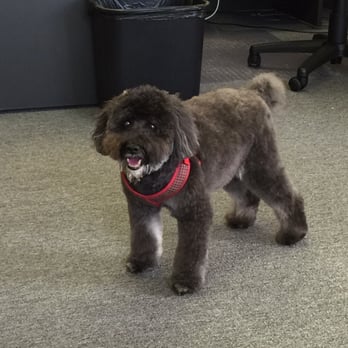
We got our Schnoodle , Remmie, from Carol almost 14 years ago and it has been an incredible experience raising him. We will never forget going to pick him up at the farm. Carol runs a wonderful operation, professional, clean and caring. The dogs were well taken care of with plenty of room to run. The new puppies were kept in the house with their mom. Remmie has been and still is the most perfect dog. His health has been great and his temperament is so calm. He is loved by his family and admired by everyone who meets him. No one can believe how old he is. They all think he is still a puppy. We recently met another wonderful schnoodle who had the same look as Remmie. Mulberry Farm schnoodles are teddy bear schnoodles and there is no mistaking them. It turns out that the dog was also from the farm! Maybe they are cousins!! We just wanted to take a moment to thank Carol for her impeccable breeding. We will always be indebted to you for giving us Remmie read more

10 years ago
13 years ago
13 years ago
13 years ago
Business owner information
Carol B.
Lynn purchased a gorgeous, special little schnoodle from me. After…
13 years ago
We purchased an 8-week old Cockapoo in July of 2008. Cassidy is now almost 6 years old and is the delight of our lives. We have had Cockapoos in the past - but Cassidy is the best bred dog we've ever owned. Carol is a wonderful breeder, she oversees all aspects of breeding, birthing and interaction with prospective puppy owners and keeps in touch with all past owners who want that. We have visited Carol with Cassidy more than once years after getting her and Carol was amazed at how her coloring is still so unusual and beautiful. She is sable-colored and actually changes colors with the seasons. Everything about Cassidy is great - she is well behaved, calm and so easy to train, not to mention love. We would purchase from Carol again and recommend her highly to all Yelpers and to all of our friends and families. Mulberry Farm is in a gorgeous Upstate NY location and I know you will be pleased to meet this knowledgable, friendly and concerned breeder. Carol is tops in our opinion and we love Cassidy and all the great owners we've met at Mulberry Farms. read more

Business owner information
Carol B.
Can anyone find a reason why this review would not be counted in my…
10 years ago
12 years ago
More info about Mulberry Farm
Ask the Community - Mulberry Farm
Review Highlights - Mulberry Farm
You might also consider







Why does Yelp recommend reviews?
10 reviews that are not currently recommended
The reviews below are not factored into the business's overall star rating.
10 years ago

10 years ago
13 years ago
13 years ago
13 years ago

13 years ago
13 years ago
13 years ago
5 years ago

10 years ago


