
McDonough Montessori
MCDONOUGH MONTESSORI · YELP ASSISTANT
Ask Yelp Assistant
McDonough Montessori Photos
You might also consider


More like McDonough Montessori
Recommended Reviews - McDonough Montessori
Start your review...



4 years ago
This school and its staff have been such a blessing to my family! After a undesirable experience at a local center, we took a break to find the right fit - and I feel like we won the lottery! My kids are loved, nurtured, and most importanly educated - not just babysat. I feel like this is the closest place to home/family I can send my kids. Oh and baby - she keeps it CLEAN! read more

4 years ago

4 years ago

4 years ago
More info about McDonough Montessori
483 Walker Dr
Mcdonough Montessori, GA 30253
Directions
(404) 375-7193
Call Now
Hours
Other Amenities
From the Business
You might also consider


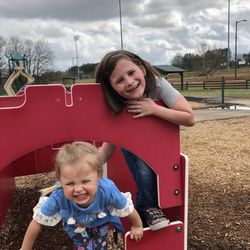
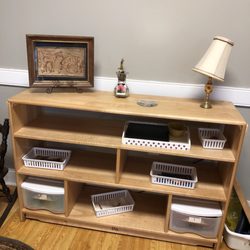


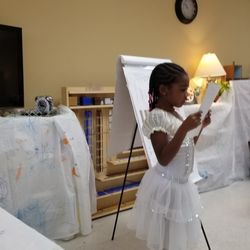





McDonough Montessori - preschools - Updated November 2026
Browse Nearby
BEST of Mcdonough Montessori, Georgia Restaurants near McDonough Montessori
BEST of Mcdonough Montessori, Georgia Coffee near McDonough Montessori
BEST of Mcdonough Montessori, Georgia Things to Do near McDonough Montessori
BEST of Mcdonough Montessori, Georgia Hot and New Restaurants near McDonough Montessori
BEST of Mcdonough Montessori, Georgia Bowling near McDonough Montessori
BEST of Mcdonough Montessori, Georgia Movie Theatre near McDonough Montessori
Browse Brands
Browse Articles
People found McDonough Montessori by searching for…
Child Care & Day Care in McDonough Montessori, GA
Private School in McDonough Montessori, GA
Baby Gym in McDonough Montessori, GA
School in McDonough Montessori, GA
Kindergarten Schools in McDonough Montessori, GA
Montessori Preschools in McDonough Montessori, GA
Kindergarten in McDonough Montessori, GA
24 Hour Daycare in McDonough Montessori, GA
Daycares With Cameras in McDonough Montessori, GA
Charter Schools in McDonough Montessori, GA
Montessori in McDonough Montessori, GA
Kids in McDonough Montessori, GA
After School Care in McDonough Montessori, GA
After School Programs in McDonough Montessori, GA
Fun Places for Kids in McDonough Montessori, GA
Private Study Rooms in McDonough Montessori, GA
Catholic Schools in McDonough Montessori, GA
Mommy and Me Classes in McDonough Montessori, GA
Childcare in McDonough Montessori, GA
Kids Cooking Class in McDonough Montessori, GA
Kids Fitness in McDonough Montessori, GA
Montessori Daycare in McDonough Montessori, GA


