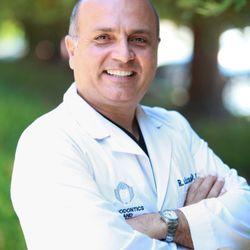
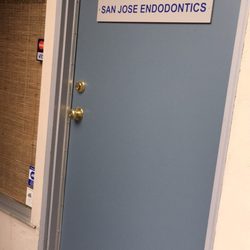
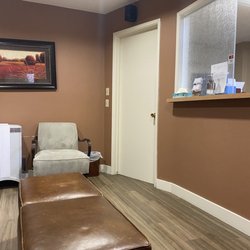
Karim Malek, DMD Photos


You might also consider


More like Karim Malek, DMD
Recommended Reviews - Karim Malek, DMD
Start your review...



3 months ago

13 days ago
1 month ago
3 months ago
4 months ago

5 months ago
4 months ago

5 months ago
3 months ago

8 months ago

9 months ago
8 months ago
5 months ago

1 year ago
5 months ago
10 months ago
11 months ago

1 year ago

1 year ago
11 months ago

1 year ago
6 months ago
7 months ago

1 year ago

1 year ago
8 months ago

7 months ago
11 months ago
9 months ago

1 year ago
11 months ago

1 year ago
1 year ago
1 year ago

2 years ago

2 years ago

1 year ago
2 years ago
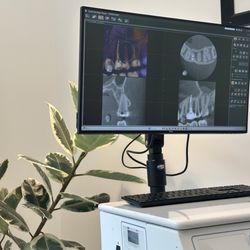
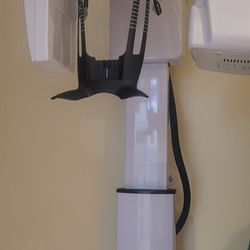
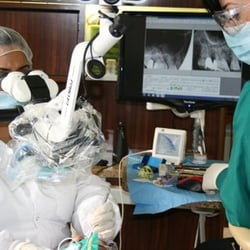
I had a complex root canal (tooth #15, with three roots) performed by Dr. Malek a few weeks ago. In 75 years, I never had a root canal and had the expectation of an awful experience. Well, far from it. It was not painful at all and Dr. Malek did a wonderful job during two treatments: I saw the X-ray of the successful outcome, looks fantastic. And it was very difficult work because of the crooked geometry of my roots. Fantastic job! Also, his office has a head sized CAT scan device, delivering a 3D view. This capability was essential for this treatment. I also liked that he kept me informed of the details of what he did and he is fun to talk to. Great experience ! read more
1 year ago
Page 1 of 5
More info about Karim Malek, DMD
704 Blossom Hill Rd
Ste 107
San Jose, CA 95123
Blossom Valley
Directions
(408) 225-7010
Call Now
Visit Website
http://karimmalek.com
Hours
Payment methods
Other Amenities
Ask the Community - Karim Malek, DMD
Review Highlights - Karim Malek, DMD
You might also consider



















Why does Yelp recommend reviews?
134 reviews that are not currently recommended
The reviews below are not factored into the business's overall star rating.
13 years ago
14 years ago
3 years ago
4 years ago
4 years ago
2 years ago
17 years ago
1 year ago
5 years ago
16 years ago
3 years ago
4 years ago

4 years ago
17 years ago
9 years ago
7 years ago
1 month ago
4 years ago

5 years ago
17 years ago





