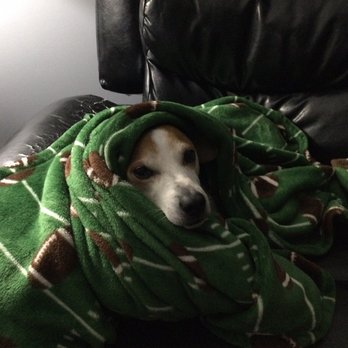
We adopted our Jack Russell/Chihuahua/Australian Cattle Dog mix from the Jack Russell Network of Canada (JRNC) in November 2020. This dog should never have been adopted to a city dweller. He spent the first 6 years of his life in a country setting, where he was allowed out for the whole day and only came in at night. When we got him, he had been neutered just a few months earlier, and his tail was amputated. In the shelter he was first put into, he chewed his tail to the point that it became infected and had to be removed.
Our home is in the middle of the city, with access to a small back yard, and 3 walks per day. Obviously this was not what he was used to and it was difficult for him to adjust. He was reactive to other dogs, lunging, barking and growling. Walks were never very pleasant. As time went by, he became more frustrated and eventually he attacked our adult daughter. He launched at her with his jaws around her nose and wouldn't release until my husband shouted at him. Fortunately our daughter didn't need stitches, just antibiotics. It wasn't his fault, I had brought a bit of food to him and my daughter bent over to pet him at the same time. According to an animal behaviourist I spoke to, the dog did not attack. What he did was to give a warning.
We finally surrendered him back to the JRNC after more aggressive behaviour towards both of our adult children. And then we saw his profile on Petfinder, where they were saying he was good with older children and other dogs. Our family was shocked as we had told them in our email and on the surrender document that the dog should be in a rural home and no children. Our fear is that if he were to bite a child, then he would be put down. He doesn't deserve that.
I emailed JRNC about our concerns and the only reply was from one of the coordinators who thought she was talking to the director. We were referred to as being a pain, and that we should be told not to contact them anymore.
Please think twice about adopting from this rescue. They are rescuing too many dogs without the proper resources to help these dogs adjust. Many of the dogs are coming from Texas and Louisiana. read more