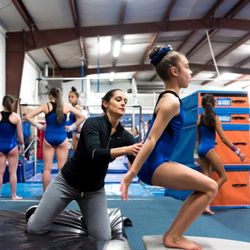
From the first time I dropped in to observe a class here, the sense of inclusion, friendliness, and…read morecare was apparent. The instructor (Lynn Sensei) came over to introduce herself, made me feel welcome, taught the class, and then came over to check in and see if I had any questions.
When I signed up for a beginner class, the Senpai (senior student) who was teaching that class introduced himself, giving his pronouns (this might seem trivial to most of us, but it's a huge signal of support and welcome for trans and gender-non-conforming folks!), and took lots of time to explain everything that was happening.
I was surprised to find it extremely difficult to make it all the way through a class without getting overwhelmed, but every single instructor I've met there has been extremely supportive in figuring out how to adapt classes to meet my needs, and has offered to help me work on techniques during open mat time, which is easier for me to manage. (Oh, and when I went back for a second beginner class led by a different Senpai, she also introduced herself with her pronouns, mentioned that some people might need to spend time figuring out how the formal bowing might work with their own spiritual beliefs and practices, and offered several variations on ways to sit on the mat that work well for different bodies--again, 10/10 for inclusion!)
As for the instruction itself: techniques are taught with a clean beginning, middle, and end. The instructor will demonstrate a technique a few times, talking their way through it, then have students pair up to practice. More complex techniques are broken down into steps, with at least a few minutes to practice the first part before moving on to subsequent steps or variations. Because students of all levels practice together, the instructors take care to adapt the exercises to account for each student's capabilities.
All in all, this is an amazing place to learn, and a wonderful community.