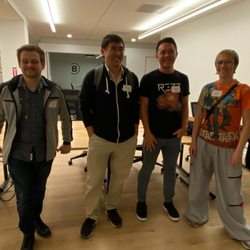
General Assembly San Francisco
General Assembly San Francisco Photos


You might also consider


More like General Assembly San Francisco
Recommended Reviews - General Assembly San Francisco
Start your review...


Reviews With Photos


I've been hanging out at General Assembly a lot the last couple of months, taking their part time course in Data Analytics. I just "graduated" and can say that I learned so much from this class, deepened my understanding and I'm much more confident about my skills. The lectures were well structured and the instructors were very knowledgeable and skilled in getting the content across in a way that people could understand as beginners in the field. I was worried at first, that it might be a little too light in content, but I was wrong about that. It gets pretty in depth, and in order to get the most out of it, you'll definitely need to stay on track with homework and projects. Just the right amount of challenge for me, I'm very happy with choosing this class. The campus itself is pretty cool, modern and the staff is friendly and helpful. You can hang out here whenever you need to get some work done and I just love the learning atmosphere. You can literally see all the brains working here, which I find super empowering and inspiring. Aside from the full time and part time programs, they also offer a bunch of different workshops and events, which are cool to dive into some topics without the full commitment of a recurring class. Loved everything about this place and will definitely be back!


REVIEW #47 I had NO idea what General Assembly was when I first heard the name. I was like GA who? But after visiting there facility in San Francisco I have to admit it offers SO many opportunities for individuals pursuing education in Tech, business and design. General Assembly is a global network of campuses for individuals seeking opportunity and education in technology, design and business. They offer a learning institution that transforms thinkers into creators through education in technology, business and design at nine campuses across four continents. They offer a range of classes and workshops and community networking events to full-time educational programs. General Assembly's goals are to educate and empower the San Francisco community with the most relevant skills today. They specialize in things from web development and user experience design, to business fundamentals, to data science, to product management and digital marketing. General Assembly was established in the early 2011 as an innovative community in New York City for entrepreneurs and startup companies and continues to grow! I had the honor of visiting there campus during a recruiter meet-up event and once I headed to the 5th floor I was quickly greeted at the front counter. They directed me to the room where my meet-up group was but I couldn't help being nosey and looking at how nice the setup was. They have a huge lounge room where many of the students chill and do homework and chat. They have a library which was a nice size and TONS of meeting rooms. The setup of this is legit! It's located in the Bush building which is right in the middle of Montgomery and very close to Bart Station which was another BIG plus for me. Great food places around the area and on top of that the staffs are NICE! I definitely recommend giving GA a chance and seeing if it's good for you. Interested in exploring upcoming part-time programs? Check out General Assembly's Part Time Courses. REVIEW 17/196


6 years ago

29 days ago

3 years ago

7 years ago

I've been hanging out at General Assembly a lot the last couple of months, taking their part time course in Data Analytics. I just "graduated" and can say that I learned so much from this class, deepened my understanding and I'm much more confident about my skills. The lectures were well structured and the instructors were very knowledgeable and skilled in getting the content across in a way that people could understand as beginners in the field. I was worried at first, that it might be a little too light in content, but I was wrong about that. It gets pretty in depth, and in order to get the most out of it, you'll definitely need to stay on track with homework and projects. Just the right amount of challenge for me, I'm very happy with choosing this class. The campus itself is pretty cool, modern and the staff is friendly and helpful. You can hang out here whenever you need to get some work done and I just love the learning atmosphere. You can literally see all the brains working here, which I find super empowering and inspiring. Aside from the full time and part time programs, they also offer a bunch of different workshops and events, which are cool to dive into some topics without the full commitment of a recurring class. Loved everything about this place and will definitely be back! read more


11 years ago
REVIEW #47 I had NO idea what General Assembly was when I first heard the name. I was like GA who? But after visiting there facility in San Francisco I have to admit it offers SO many opportunities for individuals pursuing education in Tech, business and design. General Assembly is a global network of campuses for individuals seeking opportunity and education in technology, design and business. They offer a learning institution that transforms thinkers into creators through education in technology, business and design at nine campuses across four continents. They offer a range of classes and workshops and community networking events to full-time educational programs. General Assembly's goals are to educate and empower the San Francisco community with the most relevant skills today. They specialize in things from web development and user experience design, to business fundamentals, to data science, to product management and digital marketing. General Assembly was established in the early 2011 as an innovative community in New York City for entrepreneurs and startup companies and continues to grow! I had the honor of visiting there campus during a recruiter meet-up event and once I headed to the 5th floor I was quickly greeted at the front counter. They directed me to the room where my meet-up group was but I couldn't help being nosey and looking at how nice the setup was. They have a huge lounge room where many of the students chill and do homework and chat. They have a library which was a nice size and TONS of meeting rooms. The setup of this is legit! It's located in the Bush building which is right in the middle of Montgomery and very close to Bart Station which was another BIG plus for me. Great food places around the area and on top of that the staffs are NICE! I definitely recommend giving GA a chance and seeing if it's good for you. Interested in exploring upcoming part-time programs? Check out General Assembly's Part Time Courses. REVIEW 17/196 read more


Business owner information

John M.
Hi Porsche!…

11 years ago
Business owner information
John M.
Hi Catherine - thank you for such a thoughtful review. We're excited…

So happy to come to this place for a free course on wedding and tech. They have tons of classes here. Saw #learnedatGA @generationTux and was blown away at this talk. Coming back for the other classes available. read more

Business owner information
John M.
Thanks for the kind words, David!…

8 years ago

8 years ago

6 years ago
Business owner information

Ali P.
Thank you for sharing, Krissy! We're so glad you had a great GA…

9 years ago

7 years ago

9 years ago

9 years ago

6 years ago


8 years ago

7 years ago
Business owner information
Ali P.
Hi Malektaj- I'm so sorry to hear this was your experience at GA.…

9 years ago

10 years ago
Business owner information
John M.
Hi Melissa,…


11 years ago

10 years ago

9 years ago
Business owner information
Ali P.
Hi Julia, thank you for your feedback. I'm so sorry to hear you had a…

12 years ago

11 years ago
Business owner information
John M.
Hi Natalie,…

11 years ago
5 years ago

9 years ago

12 years ago

11 years ago

11 years ago

11 years ago

11 years ago

11 years ago


11 years ago
Page 1 of 4