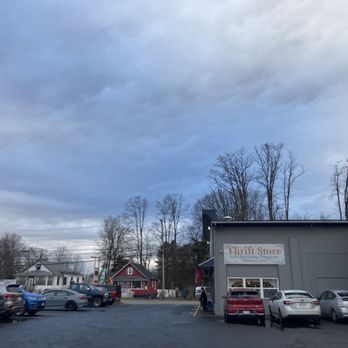
Free to Thrift Photos


You might also consider


More like Free to Thrift
Recommended Reviews - Free to Thrift
Start your review...


Reviews With Photos
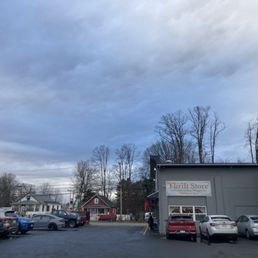

I recently happened upon this great little thrift store recently with two of my kids on a recent Friday, and though it took a few minutes for a parking spot to open up, it was time well spent! There's a wide selection of books, CDs, DVDs, cassettes, records, shoes, clothing and other bric-a-brac that keeps folks engaged. My kids were fascinated with the stickers, vintage cameras and jewelry, while I perused the classical music options. The coolest aspects, however, were the free table of stuff set outside and the fact that infant clothing is free, which seemed such a great way to give back to the community. I'll definitely be back!


1 month ago

3 months ago

9 months ago
First of all I love how it looked set up color wise! I found so many things I wanted but did need to contain myself . I came home with some spicy fun items to add to my wardrobe as well as the the best thrift item I found all day the "Holy $^it" stash jar just missing the rubber top for 5$ read more

9 months ago

I recently happened upon this great little thrift store recently with two of my kids on a recent Friday, and though it took a few minutes for a parking spot to open up, it was time well spent! There's a wide selection of books, CDs, DVDs, cassettes, records, shoes, clothing and other bric-a-brac that keeps folks engaged. My kids were fascinated with the stickers, vintage cameras and jewelry, while I perused the classical music options. The coolest aspects, however, were the free table of stuff set outside and the fact that infant clothing is free, which seemed such a great way to give back to the community. I'll definitely be back! read more
10 months ago

9 months ago
10 months ago
9 months ago
9 months ago
10 months ago
11 months ago

2 years ago
The store has a parking lot, books are $1, and they have discounts depending on the color of your tag. I went in to look around with my family. Thrifting has been something my daughter and I recently got into doing. I have a list of things I've been hoping to thrift and I had a Starbucks thermos my husband lost on that list. This thermos I can't even find on eBay- but on this day I happened to be in Kingston at free to thrift, I found the same exact thermos! Needless to say, I was overjoyed. I like that this store is committed to being a source of help for the community, doesn't overpriced things, seems to be organizing and adding more things constantly. read more
11 months ago
2 years ago
2 years ago
More info about Free to Thrift
Ask the Community - Free to Thrift
You might also consider







Why does Yelp recommend reviews?
3 reviews that are not currently recommended
The reviews below are not factored into the business's overall star rating.
4 months ago
1 month ago
5 months ago


