Florida Exotic Bird Sanctuary Photos


You might also consider


More like Florida Exotic Bird Sanctuary
Recommended Reviews - Florida Exotic Bird Sanctuary
Start your review...


Reviews With Photos


My friends and I had so much fun, we barely got settled into our car when we planned our next visit, and then for days afterwards were reliving the visit and showing pics to our friends. First off, how often do you visit a zoo or sanctuary where you are greeted by an enthusiastic chorus of HELLLOO along with some excited head bobbing? The parrots here are obviously well cared for (they have clean cages, heat lamps and a hurricane shelter is being built) and happy. They are extremely friendly, well, some are, and curious. Whenever we walk near to the cage to take a picture, three or four other parrots will inch close. It takes the hardest restrain not to reach out and pat them. Our tour guide is a volunteer at the sanctuary, and knows the parrots well and tirelessly answered all our questions and patiently waited as we spend too much time with the parrots. Thanks for such a great time, and definitely will be back!


If you love exotic birds as much as I do, then The Florida Exotic Bird Sanctuary is the place for you. They are dedicated to the care and well-being of your feathered love ones. This sanctuary is very clean and well maintained... it looks and sounds like you're in the rainforest as you hear the sounds of each parrot and the other exotic birds in the large outdoor facility. The Florida Exotic Bird Sanctuary does not breed, sell, trade, or offer for adoption the birds in their care. This will become your feathered friends definitive home surrounded by other friendly parrots just as it was meant to be. Both Pat, Bob and the rest of the staff love these birds and do their best to care for the over 700 exotic birds in their care. I would be more than happy to leave my fine feathered friend here if I need to and I'm sure you would too! read more


18 days ago

1 year ago
We have a medium sulfur-crested cockatoo that we're very attached to. After much thought, we realized we couldn't give him the level of attention he truly deserves -- and knowing he would likely outlive us, we wanted to find him a wonderful forever home. We visited two sanctuaries that just didn't feel right, but then we discovered the Florida Exotic Bird Sanctuary in Hudson. He's been there for about two years now, and we know he's very happy. He lives in a large flight cage with other birds and seems to be thriving. We visit him about once a month, and every time we do, we feel completely at ease knowing we made the right decision. read more

9 months ago

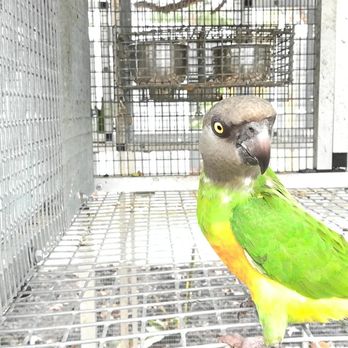
My friends and I had so much fun, we barely got settled into our car when we planned our next visit, and then for days afterwards were reliving the visit and showing pics to our friends. First off, how often do you visit a zoo or sanctuary where you are greeted by an enthusiastic chorus of HELLLOO along with some excited head bobbing? The parrots here are obviously well cared for (they have clean cages, heat lamps and a hurricane shelter is being built) and happy. They are extremely friendly, well, some are, and curious. Whenever we walk near to the cage to take a picture, three or four other parrots will inch close. It takes the hardest restrain not to reach out and pat them. Our tour guide is a volunteer at the sanctuary, and knows the parrots well and tirelessly answered all our questions and patiently waited as we spend too much time with the parrots. Thanks for such a great time, and definitely will be back! read more




2 years ago
Absolutely enjoyed our tour! Loved seeing and learning about all the birds and their journey to Florida Exotic Bird Sanctuary. Best of all I loved Tango! He was the star of the sancrusty! read more


3 years ago

6 years ago
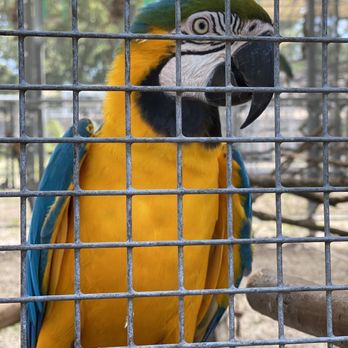
A friend of mine and I decided to visit the Florida Exotic Bird Sanctuary, by a guided scheduled tour. We could not have been more impressed with this amazing facility. They do not breed, sell, trade or offer adoption of the birds but instead provide a permanent home for these amazing creatures. A true sanctuary!! The staff could not have been more pleasant and the animals truly touched us. Well worth the visit and donation to an incredible place!!! read more



5 years ago

8 years ago
9 years ago