Emmet Park Photos


You might also consider


More like Emmet Park
Recommended Reviews - Emmet Park
Start your review...


Reviews With Photos


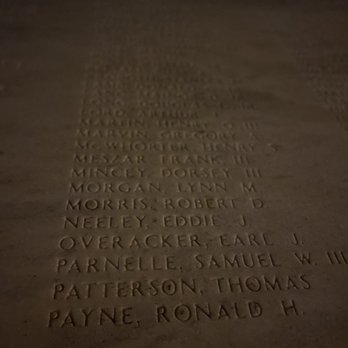
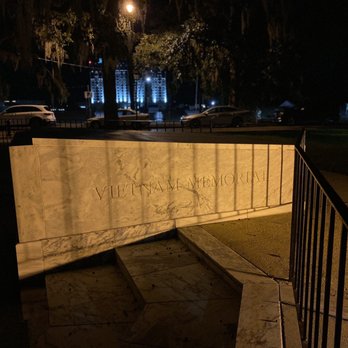
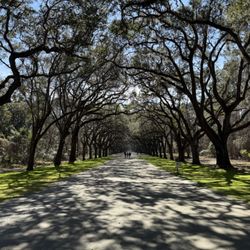
Emmet park is a small but beautiful park on Bay Street. It has a beautiful canopy of trees with Spanish moss hanging off them, providing an ethereal charm to the place. Despite being adjacent to the ever-busy Bay Street, the trees provide a nice buffer. The park has a Vietnam war memorial on the grounds with benches around it. The other side of the park has a walkway along Factors walk with walkways leading up to charming little shops . What I love about these stores is that they have water bowls left out for dogs!


Savannah seems to be loaded with little parks throughout. This is another nice, very green park in the middle of the city. The trees here are beautiful! Great for walking through when walking the city.


1 year ago
Cute but small park. Green grass and benches to sit on. Gorgeous light post and large anchors laying around the park. Statue of Dr. Noble Wimberly Jones. read more

Green grass. A place to relax and unwind. Learning a snippet of history. Art and sculptures. What more can you ask for? Emmet Park has all of that. The park's name pays homage to the Irish orator and nationalist Robert Emmet. It was established in 1902 and has since become a beloved landmark for locals and tourists alike. Breathtaking sculptures are the first things I have noticed when entering the park. I was drawn to check on the famous "A City Remembers" monument, which is one of the focal points of Emmet Park. The striking monument is dedicated to the city's fallen firefighters, and many other sculptures can be found throughout to provide a bit of history as well as a visual experience that adds to the beauty of the park. These are the Chatham Artillery Monument, the Celtic Cross Monument, and the Vietnam War Monument. At the heart of the historic city of Savannah, it is easily accessible. It is located between Abercorn and Lincoln Streets on East Bay Street. read more


Quaint and pretty park in the middle of Savannah's historic district. The park features a couple of solemn memorials, fountains, an expanse of grass, and many trees covered in Spanish moss. This is not very far from where Forrest Gump sat on a bench and told his story in the movie of the same name. With so much to see in this area, we only passed through the park and took a couple of photos... but if I lived here, I imagine this would be a nice spot to jog, walk a dog, stroll with my sweetie, or just lay on a blanket and stare up at the sky through the trees. read more
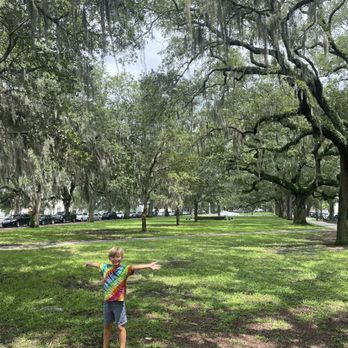


Emmet park is a small but beautiful park on Bay Street. It has a beautiful canopy of trees with Spanish moss hanging off them, providing an ethereal charm to the place. Despite being adjacent to the ever-busy Bay Street, the trees provide a nice buffer. The park has a Vietnam war memorial on the grounds with benches around it. The other side of the park has a walkway along Factors walk with walkways leading up to charming little shops . What I love about these stores is that they have water bowls left out for dogs! read more




5 years ago
Savannah seems to be loaded with little parks throughout. This is another nice, very green park in the middle of the city. The trees here are beautiful! Great for walking through when walking the city. read more


A lovely downtown park in the heart of Savannah, Emmet Park is a perfect place for a stroll, a wedding, or just a small break out of the sun and under the shade trees. On this day that I was walking through the park there was a rather large wedding ceremony going on. They looked like they were enjoying all the park goers that momentarily stopped to enjoy the moment with them. Located at the end of the walking area of River Street and East Bay and just above the newer home of the famous Waving Girl statue. This park is a welcome sanctuary from all of the shops and restaurants nearby. read more


More info about Emmet Park
East Bay & Price St
Savannah, GA 31401
Directions
Hours
Outdoor Amenities
Ask the Community - Emmet Park
















Why does Yelp recommend reviews?
1 review that is not currently recommended
The reviews below are not factored into the business's overall star rating.

6 years ago


