
Anthony Chabot Regional Park Photos


You might also consider


More like Anthony Chabot Regional Park
Recommended Reviews - Anthony Chabot Regional Park
Start your review...


Reviews With Photos


I came for hiking only. I was quite impressed. Hiking trails are very well marked. Although mostly under tree cover, the scenery is beautiful. A long hike through this park will take you across some paved roads and through some camping areas. For hiking there are plenty of public bathrooms and they're all clean. How did people follow hiking trails before GPS tracking? If you want to follow a precise combination of trails, you'll definitely need GPS tracking. But the trail is outstanding overall. My only complaint, and I guess it really isn't a complaint, regards the number of high-speed downhill bicycles I encountered. Fortunately I am a hearing person, and I could react before the bicycle arrived. But if someone were hard of hearing or deaf or if they were wearing earbuds with loud music they would definitely be at risk of a bike collision. Read up on the geology of this area before the hike and you will enjoy it even more. My favorite geologic fact on this hike relates to the Oakland formation. I'll let you read up on the Oakland formation yourself, but one of the interesting facts relates to the fragmented cobbles within the formation. These cobbles were allegedly fragmented by earthquake activity that sent shock waves through them when they were at depth. The parking lot for the trailhead is shared with a golfing club. It seems pretty safe. You will find clean public bathrooms all along the route. The route will take you across several paved roads and through a picnic area or two.


I went camping here with friends and we reserved a site for 1 night ($33). The site could have up to 8 occupants but we had 5. We had so much fun that we've already planning our next trip back! It's amazing that places like this exist so close to the city. We rented all of our gear from Sports Basement (stove, sleeping bags, sleeping pads, chairs) and shared tents that people owned. Amenities: - Parking: It was a bit of a walk from our cars to the campsite but I brought a collapsible folding wagon so we didn't have to take too many trips back and forth from our car. - Hammocks: I brought a hammock and was easily able to find some eucalyptus trees to hang it from. - Vault: The campsite included a vault that we used to store food. - Picnic Tables: There was a picnic table at our site. - Firewood: You can buy a bundle of firewood for $10 onsite. - Bathrooms: The bathrooms were surprisingly clean and included toilet paper and soap. There were also showers but I didn't use them since we only stayed one night. - Trash Cans: There were some trash cans right by our campsite. - Hiking: Anthony Chabot lake is beautiful and there are some nice hikes!


Camping is one of the few ways families have been keeping their balance during the pandemic, thanks to regional parks like Chabot. Once you invest in the right equipment (tents, chairs, sleeping bags and mats, stove, lamp, coffee pot, etc.) you can enjoy an inexpensive and fun outdoor experience with family and friends. We went camping with close family last weekend - my planner extraordinaire better half had snagged a camping site a month before, seconds after the East Bay Regional Parks Department reservation site opened up for booking. Our site was high up on a ridge, tucked away against eucalyptus trees. It was a bit cozy, but we were able to fit our two "six-person" tents (each of which actually sleeps four). We unpacked, taking advantage of the long sturdy picnic table. The ladies were happy there were clean bathrooms nearby with running water, soap, TP and electricity. The sunset was glorious, and we settled into the evening - drinking beer and cider, toasting hot dogs and marshmallows on the fire, the kids singing, the adults chatting away. We played hearts and poker, told ghost stories late into the moonless night, and those of us less used to sleeping outdoors tried our best to get some shuteye. In the morning, we woke up to the loud barking of dogs. It was a cool morning, and the grass smelled fresh and dewy. We started making breakfast - fresh coffee, sizzling bacon and eggs on our tiny propane stove, pre-boiled eggs and potato chips for those who didn't have the patience to wait. Suddenly, we heard bleating! A huge flock of sheep was grazing its way through the dry grass behind our campsite! The kids were transfixed. What excitement! A couple of hours later, it was time to pack up and head home. We drove around, making note of the other sites, already planning our next camping adventure!


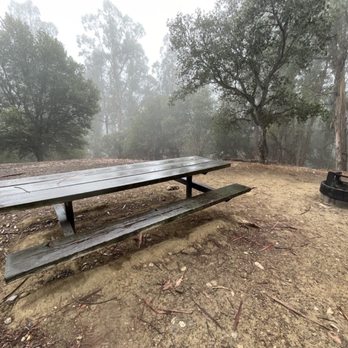
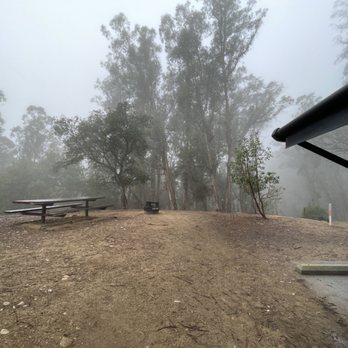
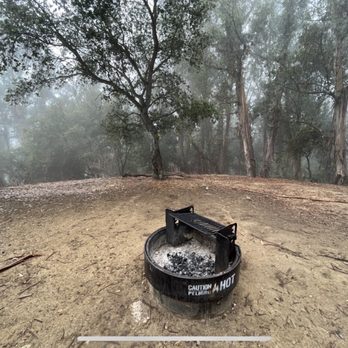
Anthony Chabot Regional Park is a hidden gem of the Bay Area tucked away in East Bay. I had the pleasure of camping there for the first time last week and I enjoyed every moment of it. First off, the views are stunning as we are engulfed in eucalyptus trees. My favorite time of the day is sunset where the pink skies peep through the slender branches. The campsite was spacious and can fit 8 people easily. I liked how there is ample space between other campers as some sites are closed off due to Covid restrictions. My friends and I played card games, sat around the campfire and told stories, cooked delicious meals, and went hiking. I enjoyed every moment of it! A perk about the campsite is that they have clean bathrooms and free hot running water for showers. No need to save up your quarters.


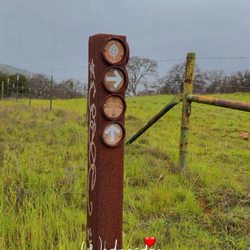
Huge variety of trails for hikers of every ability. I have hiked numerous times in this park, and I think I've covered just about every trail. No matter what your ability, this park has a trail just right for you. The trails are generally pretty well marked, but some of the trail posts could use a little help. On many of the trails, there is no water or outhouses, so keep that in mind. Don't forget the wonderful trail maps that East Bay Parks provides free of charge. This is truly an outstanding service. I generally start from one of the entrances on Redwood Road. Did you know that the WPA actually built out this road in the late 1930s? If you look carefully you might be able to find one of their markers. As with most wilderness parks, be careful about ticks and snakes. Another good park, another good adventure.
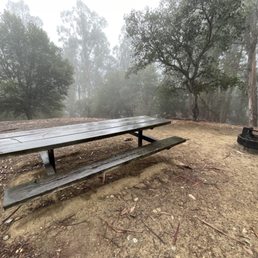

Campground review. RV/trailer camping available in sites 1-9 and 11-12. * full hookups (!) * Huck's trail is shortest trail from campground to the lake. 0.58 miles down a gravel path, steep but not dangerous just a little tiring for kids on way back up. lake views are beautiful * long spaces (stayed in #02), picnic table and steel circle firepit to rear. plenty of open space * very quiet at night, except the occasional soft rumble from planes taking off from oakland airport * tall birch trees provide great shade * verizon signal spotty, 1-2 bar at campsite, 3 bars at kiosk


Solid campground that is $20/night + $2 for bringing your furry, four-legged best friend. They had campsites that look like they had a better view of the lake, but those were actually closed off for the moment. Perhaps it will be back open when it's nicer weather. Great location though, not too far from civilization in Castro Valley. Plenty of trees in the woods to set up your hammock & clean bathrooms + showers & even a dishwashing station. Neighboring people sure were friendly, though the raccoons that came scavenging at night were a little too friendly! Make sure you dispose of trash in the restrooms before sleeping or you will find some company in the middle of the night. All in all, a fun getaway that had a picnic bench & table for all we can eat hot pot & cookies by the campfire.


Stayed at the Two Rocks group camp site the other week for a few days. It's right next to a trail but still quite enough for our group. The camp site didn't have to much grass, mainly dirt. When the wind blew it got dusty fast. There's no showers at the group site. The only pub shower is at the family camp site area. There's much more people there. At Two Rock there are no flushing toilets. There are 2 restroom close by. The rest rooms are not powered so you'll need to bring a flashlight with you if it's dark outside. There is plenty of parking, but the road is rutted out. A car can still drive there but they have to go slow. Note there is one water outlet there and it's has very low pressure. Overall, it's an okay group camp site.


I really enjoyed camping here, especially as a last minute trip close to home. The campsite and the bathrooms were very clean, and since we went in the winter we didn't have many neighbors. I'd definitely come here again when we want an easy camping trip!
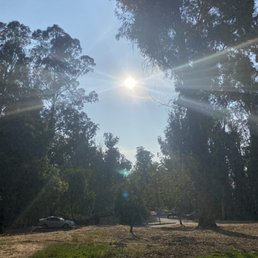

First time camping here. It was convenient that the campground was still local and less than an hour drive. The campground was spacious and clean. In order to hike or get to the lake, you would have to leave the campsite and drive to the designated area. However, it was a good experience and nice to get away for the weekend. The campground was also dog friendly.
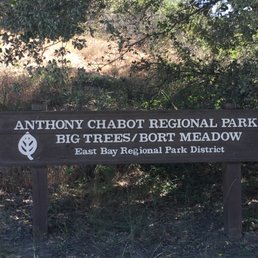

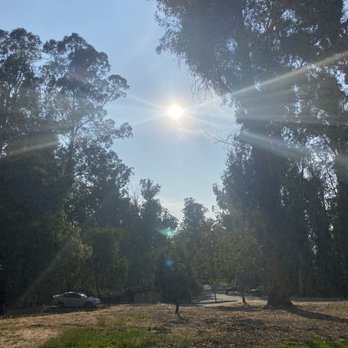
It was nice to get back out to nature and get a hike in during these C19 times. Three of us in our walking group decided to do a hike in Anthony Chabot Regional Park, which is one of the many parks within the East Bay Regional Park District. This Park was opened in 1952 and encompasses 3,304 acres allowing for camping, hiking, bicycling, horseback riding, picnicking and it even has a golf course. We parked at the Bort Meadow Staging Area, which has spaces for 20 cars. Signs were posted at the trailhead about C-19 social distancing requirements and safety tips for the Park. Our hike took us on Grass Valley, Goldenrod, Brandon Trails and the Jackson Grade. Our five mile hike was mixture of sunny wide open trails, shady wooded trails and a relative steep grade and descent at Jackson. With our trail map in hand, which were available at the trailhead, we were able to navigate the trails easily as the trails were well marked with trail posts. The only restrooms and water fountains we encountered were at the Bort Meadow Group Camp, but they were closed/not operational. So take that as a FYI. We were only on some of the trails in the Park and it was a nice hike. We will be back to hike the other trails.
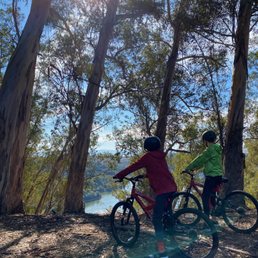

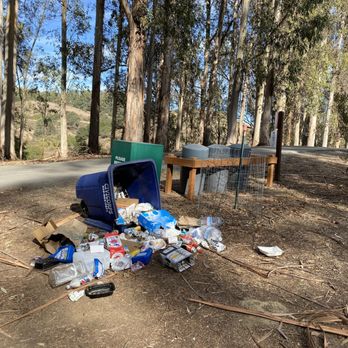
My review is during COVID - our Trip was the first week of November 2020. I didn't have high expectations with everything in the county and state shut down for COVID, so perhaps it would be different in the "regular world". There are only like 12 RV sites and they block off every other one for capacity. The sites are already big and we loved the space to ourselves. The reason I can't give 5 stars is because the garbage cans right next to our site were knocked over from past guests, overflowing and the raccoons got to them. There was garbage all over our site I picked up with plastic gloves and put into the cans. It was pretty gross, like camping at a dump. The previous campers had filled recycle bins with beer cans and pizza boxes, so they didn't follow rules and not totally the campgrounds neglect. However we shouldn't have had to deal with this debris for half of our visit. The raccoons scared my kids in the tent outside as they were only a few feet from the ruckus and couldn't sleep at night. So we all only got one out of two nights sleep. Late the next day we saw garbage trucks come around and take care of the mess. That out of the way, everything else was 5 stars. The check in kiosk was awesome and so friendly. We had to walk up and ask a few questions regarding internet as well and nothing but positive vibes and warmth. We definitely felt welcome. It was November and not nice enough for a swim so I can't comment on lack of opportunity to head to the lake. What I will say was there were beautiful views and if you choose the tent camp you will have the most epic views right over the lake. We took a few photos on our bike rides. My boys are older (age 11) so they can ride gears up and down hills and it was a great time for them. Younger kids would end up walking their bikes up some of these hills and there is traffic on the paved roads. However, again it's COVID and pretty quiet. The trails were great. We ran across a few other hikers and mountain bikers. My boys were looking for mountain lions and snakes but we didn't encounter any. We did have our doggie with us on the trail. They are allowed on leash. Off leash is not allowed due to the wildlife. Leashes are also required in the campground which is great for us. We have a loving dog that will cuddle and love you to death until another dog runs towards him. He's a rescue pup and has severe anxiety around other dogs running loose. This was a welcome change from our local parks that don't enforce the rule. All other campers and those on trails had their pups leashed and it made for a fantastic few days for all of us, furry friends included! It's very dark at night camping so bring light. There were also no campfires allowed due to fire hazard but we had electrical and always have our own backup for s'mores. It was such a welcome get away with my boys and our Nana. We will be returning soon winter or summer time, COVID or not! Booking and selecting a site online was an easy process. I did call to confirm we could have a tent on an RV site as well and got a human right away. She was friendly and informative and gave a good vibe before we even made the reservation. Price was definitely right and not far from home, but far enough to feel we were "away".


This is my go-to park for off-leashing hiking with my dog. I love this park because the scenery is beautiful and varied, you can see forest and meadows; the trails are easy and flat, yet they're long enough to walk for a couple of hours; parking is easy; the trails are not congested; and most importantly, the peninsula is severely lacking in off-leash dog hikes, so we drive 40 minutes each way to hike here. My BIG complaint is that the trails are full of horse shit due to the irresponsible riders. Big piles of horse shit just littered throughout the trails, every few feet. No one bothers to cleans them up and they're all smack in the middle of the road. These irresponsible and inconsiderate horse riders really ruin the trails for everyone. Dog owners need to pick up dog shit, so I don't know why horse riders don't need to clean up after themselves. The horses either need to wear bags like they do in NYC, or the horse riders better carry a shovel and bag, get off their high horse, and scoop up their waste every time the horse goes. Either that, or the equestrian center better hire janitorial services for the park.
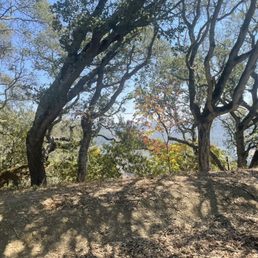

This is a review for the family campground. We had reserved camp sites 51, 52, 59, and 60 for 7 families, with a couple sites having two families/two tents per site. The camp sites we reserved were a bit of a tight squeeze for two 6-10 person tents, mostly because of lack of flat terrain at the sites. The actual sites themselves have a fair amount of space, it's just that the space can be hilly/uneven, have sawed off tree stumps in the middle of clear spots, or be right underneath the branches of eucalyptus trees (notorious for being easier to topple/fall in windy and rainy conditions. The last you want is to have branches or the tree itself toppling onto your tent. Other than the less than ideal spaces, we did have a good time camping here. The facilities were very clean, and not needing quarters for the hot showers was a fantastic bonus. There were plenty of places for the kids to run around, and the views of Lake Chabot were breathtaking. Thankfully while we were there we didn't have any issues with noisy/disrespectful campers. Overall this is a great family camp ground that's easily accesible in the Bay Area, just be aware of some of the space limitations and plan accordingly. read more


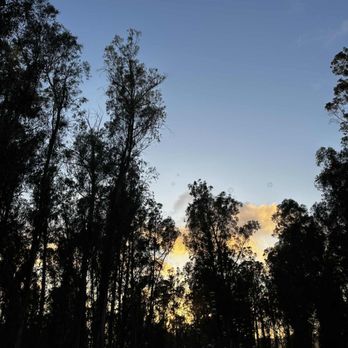

Review is for their large campsite at Bort Meadows. A parent in my oldest kids class reserved a huge campsite for families in the class and I'm so glad we participated. The larger site holds up to 75 vehicles and 300 people max and because only around 50 people signed up we had so much open space to ourselves. They have one water spigot, 4 non-flushing toilets, charcoal grills, tables, and 2 fire pits so for such a large campsite it's bare bones and minimal. The grass is well maintained and there was a nice small hill and plenty of open room for kids to play in at our site. The big note if you get this spot is there is a gate blocking the entrance to the lower parking lot. They give you the combination to one of the locks but there are three combination locks attached to the gate. You can still slide the gate open with them not opened as long as you have the combination to the one lock. It was perfect cooking together potluck style and all the different games and camping toys the different families brought. It's windy in this area and perfect for kites. At night it does get cold and I would position your tent in the best way where it's convenient to get to the bathroom in the dark. read more


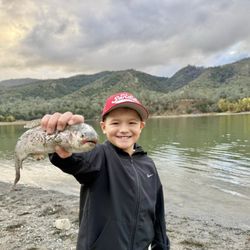
What a difference 20 years can make! The fishing boats now have lithium batteries and a sweet, strong Minn Kota trolling motor! Military and seniors get 50, FIFTY percent off, M-F! Took my son out to look for and find Largemouth Bass, and we did! Sure you could fish for trout. Nah. The on site staff is always friendly. The park is clean and is popular. Great place for any sort of gathering. You can reserve spots for larger group. Those boats? I'll be back. It's tricky when you don't have a depth finder but dad kinda knows the species well enough. We got two. One nice, one little. Worth every penny for the boat because we weren't catching those bass without it! read more


1 year ago

I came for hiking only. I was quite impressed. Hiking trails are very well marked. Although mostly under tree cover, the scenery is beautiful. A long hike through this park will take you across some paved roads and through some camping areas. For hiking there are plenty of public bathrooms and they're all clean. How did people follow hiking trails before GPS tracking? If you want to follow a precise combination of trails, you'll definitely need GPS tracking. But the trail is outstanding overall. My only complaint, and I guess it really isn't a complaint, regards the number of high-speed downhill bicycles I encountered. Fortunately I am a hearing person, and I could react before the bicycle arrived. But if someone were hard of hearing or deaf or if they were wearing earbuds with loud music they would definitely be at risk of a bike collision. Read up on the geology of this area before the hike and you will enjoy it even more. My favorite geologic fact on this hike relates to the Oakland formation. I'll let you read up on the Oakland formation yourself, but one of the interesting facts relates to the fragmented cobbles within the formation. These cobbles were allegedly fragmented by earthquake activity that sent shock waves through them when they were at depth. The parking lot for the trailhead is shared with a golfing club. It seems pretty safe. You will find clean public bathrooms all along the route. The route will take you across several paved roads and through a picnic area or two. read more


I went camping here with friends and we reserved a site for 1 night ($33). The site could have up to 8 occupants but we had 5. We had so much fun that we've already planning our next trip back! It's amazing that places like this exist so close to the city. We rented all of our gear from Sports Basement (stove, sleeping bags, sleeping pads, chairs) and shared tents that people owned. Amenities: - Parking: It was a bit of a walk from our cars to the campsite but I brought a collapsible folding wagon so we didn't have to take too many trips back and forth from our car. - Hammocks: I brought a hammock and was easily able to find some eucalyptus trees to hang it from. - Vault: The campsite included a vault that we used to store food. - Picnic Tables: There was a picnic table at our site. - Firewood: You can buy a bundle of firewood for $10 onsite. - Bathrooms: The bathrooms were surprisingly clean and included toilet paper and soap. There were also showers but I didn't use them since we only stayed one night. - Trash Cans: There were some trash cans right by our campsite. - Hiking: Anthony Chabot lake is beautiful and there are some nice hikes! read more


10 months ago

Camping is one of the few ways families have been keeping their balance during the pandemic, thanks to regional parks like Chabot. Once you invest in the right equipment (tents, chairs, sleeping bags and mats, stove, lamp, coffee pot, etc.) you can enjoy an inexpensive and fun outdoor experience with family and friends. We went camping with close family last weekend - my planner extraordinaire better half had snagged a camping site a month before, seconds after the East Bay Regional Parks Department reservation site opened up for booking. Our site was high up on a ridge, tucked away against eucalyptus trees. It was a bit cozy, but we were able to fit our two "six-person" tents (each of which actually sleeps four). We unpacked, taking advantage of the long sturdy picnic table. The ladies were happy there were clean bathrooms nearby with running water, soap, TP and electricity. The sunset was glorious, and we settled into the evening - drinking beer and cider, toasting hot dogs and marshmallows on the fire, the kids singing, the adults chatting away. We played hearts and poker, told ghost stories late into the moonless night, and those of us less used to sleeping outdoors tried our best to get some shuteye. In the morning, we woke up to the loud barking of dogs. It was a cool morning, and the grass smelled fresh and dewy. We started making breakfast - fresh coffee, sizzling bacon and eggs on our tiny propane stove, pre-boiled eggs and potato chips for those who didn't have the patience to wait. Suddenly, we heard bleating! A huge flock of sheep was grazing its way through the dry grass behind our campsite! The kids were transfixed. What excitement! A couple of hours later, it was time to pack up and head home. We drove around, making note of the other sites, already planning our next camping adventure! read more


Anthony Chabot Regional Park is a hidden gem of the Bay Area tucked away in East Bay. I had the pleasure of camping there for the first time last week and I enjoyed every moment of it. First off, the views are stunning as we are engulfed in eucalyptus trees. My favorite time of the day is sunset where the pink skies peep through the slender branches. The campsite was spacious and can fit 8 people easily. I liked how there is ample space between other campers as some sites are closed off due to Covid restrictions. My friends and I played card games, sat around the campfire and told stories, cooked delicious meals, and went hiking. I enjoyed every moment of it! A perk about the campsite is that they have clean bathrooms and free hot running water for showers. No need to save up your quarters. read more


Huge variety of trails for hikers of every ability. I have hiked numerous times in this park, and I think I've covered just about every trail. No matter what your ability, this park has a trail just right for you. The trails are generally pretty well marked, but some of the trail posts could use a little help. On many of the trails, there is no water or outhouses, so keep that in mind. Don't forget the wonderful trail maps that East Bay Parks provides free of charge. This is truly an outstanding service. I generally start from one of the entrances on Redwood Road. Did you know that the WPA actually built out this road in the late 1930s? If you look carefully you might be able to find one of their markers. As with most wilderness parks, be careful about ticks and snakes. Another good park, another good adventure. read more

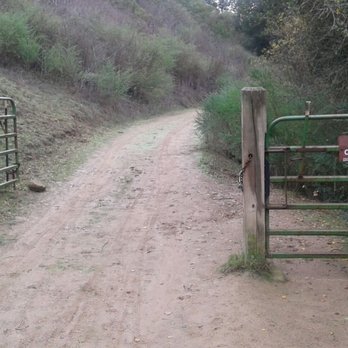


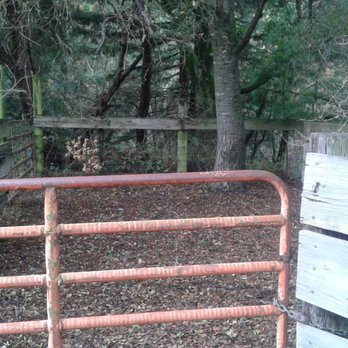

Campground review. RV/trailer camping available in sites 1-9 and 11-12. * full hookups (!) * Huck's trail is shortest trail from campground to the lake. 0.58 miles down a gravel path, steep but not dangerous just a little tiring for kids on way back up. lake views are beautiful * long spaces (stayed in #02), picnic table and steel circle firepit to rear. plenty of open space * very quiet at night, except the occasional soft rumble from planes taking off from oakland airport * tall birch trees provide great shade * verizon signal spotty, 1-2 bar at campsite, 3 bars at kiosk read more


3 years ago

Solid campground that is $20/night + $2 for bringing your furry, four-legged best friend. They had campsites that look like they had a better view of the lake, but those were actually closed off for the moment. Perhaps it will be back open when it's nicer weather. Great location though, not too far from civilization in Castro Valley. Plenty of trees in the woods to set up your hammock & clean bathrooms + showers & even a dishwashing station. Neighboring people sure were friendly, though the raccoons that came scavenging at night were a little too friendly! Make sure you dispose of trash in the restrooms before sleeping or you will find some company in the middle of the night. All in all, a fun getaway that had a picnic bench & table for all we can eat hot pot & cookies by the campfire. read more


4 years ago
Stayed at the Two Rocks group camp site the other week for a few days. It's right next to a trail but still quite enough for our group. The camp site didn't have to much grass, mainly dirt. When the wind blew it got dusty fast. There's no showers at the group site. The only pub shower is at the family camp site area. There's much more people there. At Two Rock there are no flushing toilets. There are 2 restroom close by. The rest rooms are not powered so you'll need to bring a flashlight with you if it's dark outside. There is plenty of parking, but the road is rutted out. A car can still drive there but they have to go slow. Note there is one water outlet there and it's has very low pressure. Overall, it's an okay group camp site. read more


I really enjoyed camping here, especially as a last minute trip close to home. The campsite and the bathrooms were very clean, and since we went in the winter we didn't have many neighbors. I'd definitely come here again when we want an easy camping trip! read more


First time camping here. It was convenient that the campground was still local and less than an hour drive. The campground was spacious and clean. In order to hike or get to the lake, you would have to leave the campsite and drive to the designated area. However, it was a good experience and nice to get away for the weekend. The campground was also dog friendly. read more


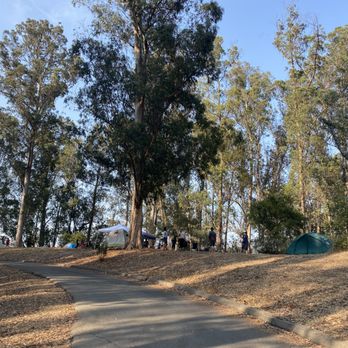
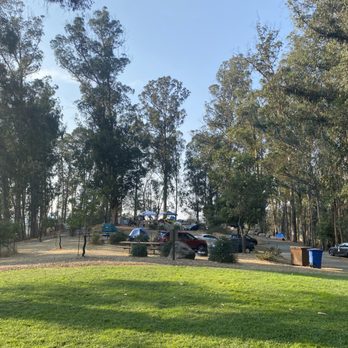

It was nice to get back out to nature and get a hike in during these C19 times. Three of us in our walking group decided to do a hike in Anthony Chabot Regional Park, which is one of the many parks within the East Bay Regional Park District. This Park was opened in 1952 and encompasses 3,304 acres allowing for camping, hiking, bicycling, horseback riding, picnicking and it even has a golf course. We parked at the Bort Meadow Staging Area, which has spaces for 20 cars. Signs were posted at the trailhead about C-19 social distancing requirements and safety tips for the Park. Our hike took us on Grass Valley, Goldenrod, Brandon Trails and the Jackson Grade. Our five mile hike was mixture of sunny wide open trails, shady wooded trails and a relative steep grade and descent at Jackson. With our trail map in hand, which were available at the trailhead, we were able to navigate the trails easily as the trails were well marked with trail posts. The only restrooms and water fountains we encountered were at the Bort Meadow Group Camp, but they were closed/not operational. So take that as a FYI. We were only on some of the trails in the Park and it was a nice hike. We will be back to hike the other trails. read more
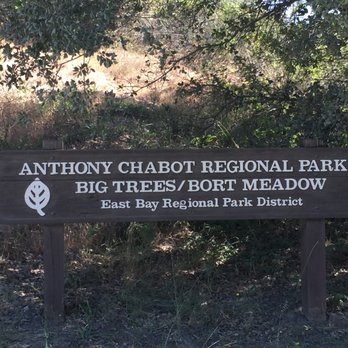


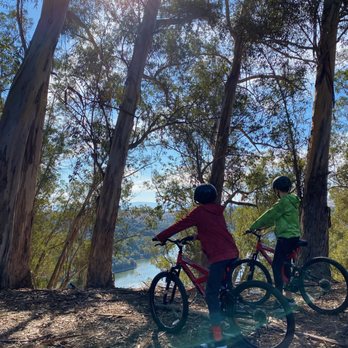
My review is during COVID - our Trip was the first week of November 2020. I didn't have high expectations with everything in the county and state shut down for COVID, so perhaps it would be different in the "regular world". There are only like 12 RV sites and they block off every other one for capacity. The sites are already big and we loved the space to ourselves. The reason I can't give 5 stars is because the garbage cans right next to our site were knocked over from past guests, overflowing and the raccoons got to them. There was garbage all over our site I picked up with plastic gloves and put into the cans. It was pretty gross, like camping at a dump. The previous campers had filled recycle bins with beer cans and pizza boxes, so they didn't follow rules and not totally the campgrounds neglect. However we shouldn't have had to deal with this debris for half of our visit. The raccoons scared my kids in the tent outside as they were only a few feet from the ruckus and couldn't sleep at night. So we all only got one out of two nights sleep. Late the next day we saw garbage trucks come around and take care of the mess. That out of the way, everything else was 5 stars. The check in kiosk was awesome and so friendly. We had to walk up and ask a few questions regarding internet as well and nothing but positive vibes and warmth. We definitely felt welcome. It was November and not nice enough for a swim so I can't comment on lack of opportunity to head to the lake. What I will say was there were beautiful views and if you choose the tent camp you will have the most epic views right over the lake. We took a few photos on our bike rides. My boys are older (age 11) so they can ride gears up and down hills and it was a great time for them. Younger kids would end up walking their bikes up some of these hills and there is traffic on the paved roads. However, again it's COVID and pretty quiet. The trails were great. We ran across a few other hikers and mountain bikers. My boys were looking for mountain lions and snakes but we didn't encounter any. We did have our doggie with us on the trail. They are allowed on leash. Off leash is not allowed due to the wildlife. Leashes are also required in the campground which is great for us. We have a loving dog that will cuddle and love you to death until another dog runs towards him. He's a rescue pup and has severe anxiety around other dogs running loose. This was a welcome change from our local parks that don't enforce the rule. All other campers and those on trails had their pups leashed and it made for a fantastic few days for all of us, furry friends included! It's very dark at night camping so bring light. There were also no campfires allowed due to fire hazard but we had electrical and always have our own backup for s'mores. It was such a welcome get away with my boys and our Nana. We will be returning soon winter or summer time, COVID or not! Booking and selecting a site online was an easy process. I did call to confirm we could have a tent on an RV site as well and got a human right away. She was friendly and informative and gave a good vibe before we even made the reservation. Price was definitely right and not far from home, but far enough to feel we were "away". read more







7 years ago
This is my go-to park for off-leashing hiking with my dog. I love this park because the scenery is beautiful and varied, you can see forest and meadows; the trails are easy and flat, yet they're long enough to walk for a couple of hours; parking is easy; the trails are not congested; and most importantly, the peninsula is severely lacking in off-leash dog hikes, so we drive 40 minutes each way to hike here. My BIG complaint is that the trails are full of horse shit due to the irresponsible riders. Big piles of horse shit just littered throughout the trails, every few feet. No one bothers to cleans them up and they're all smack in the middle of the road. These irresponsible and inconsiderate horse riders really ruin the trails for everyone. Dog owners need to pick up dog shit, so I don't know why horse riders don't need to clean up after themselves. The horses either need to wear bags like they do in NYC, or the horse riders better carry a shovel and bag, get off their high horse, and scoop up their waste every time the horse goes. Either that, or the equestrian center better hire janitorial services for the park. read more




5 years ago
I freaking love this campground! It's so easy to book and we're always able to find a spot, can't believe we're camping in Bay Area. read more
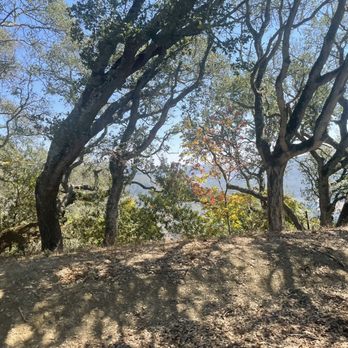


This place is amazing for being in Oakland and only a 35 minute drive from Richmond. In LA we have nothing like this so close to civilization. With that in mind, there were some highs and lows about the trip. We booked a hike-in, "tent only" site. I could not find any information online at all about the distance from the parking lot to the site. We were in site #20, which was the furthest from the parking lot and somewhat the most secluded spot that had a lake view. It was right at the end of the area for hike-ins but still off of a busy trail to the lake. The distance from the car to the site was about .3 miles, not bad but annoying to haul your stuff up an incline packing up. I thought the hike in would give us more privacy, but the spots are really close together in both the drive up and hike in sites. This wasn't a big deal on Thursday night, we had no one else in the hike in grove with us and it was awesome. But Friday night families moved in and it was really noisy being so close together. It was windy (def being stakes and a real hammer for the hard soil) and the spots had little shade or trees to disconnect you from your neighbors. Bathrooms were really clean and a decent walk from the farthest site. We saw multiple deer families really close to our site. We had no critters or raccoons and left our cooler outside with no problems. Yellowjackets were a bit annoying but they have traps everywhere. You can definitely still hear some city noise but I didn't hear the gun range that other yelpers mentioned. Rangers drive around a lot but never bothered us. Still a cool weekend getaway, my girlfriend drove back to Cal one morning for a midterm and the drive took 30 minutes. It's definitely not big basin but worth it for a short local trip read more


For being just a short hop from Castro Valley this park offers some really decent camping without having to go very far. The family campsites are situated amongst a large grove of eucalyptus trees. It's really peaceful here we came mid week and were one of only a few people staying here which was really nice. Great nearby hiking and fishing. It looked as almost all the fire rings were newly replaced and all the campsites were very clean and well kept up. The park ranger, Lin, was super helpful and accommodating when I wanted to make a change to my reservation and extend it for an extra night, and move from a walk-in site to a regular family campsite. He found us a great spot and was extremely kind and helpful. This is a great peaceful getaway that is close by and I will definitely be back. read more


3 years ago


9 years ago

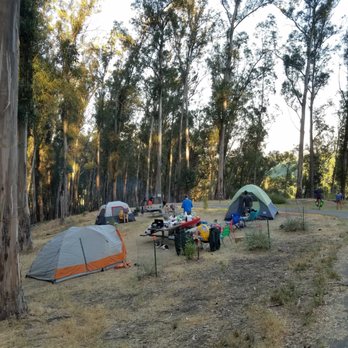
Beautiful campgrounds! If you're a bay area local, it's a great nearby get-away! Tall eucalyptus grove provides lovely shade. Even on a hot (100F) weekend, bugs (flies) were at a minimum. Camp rangers were warm & friendly. Campgrounds are very well-kept. Other bonuses... nearby spigots for rinsing, nearby restrooms with warm showers, nearby garbage & recycle bins for added convenience, huge grassy area perfect for fisby or ball tossing, and gorgeous bird's-eye views of the San Leandro Reservoir. BE PREPARED with a set of wheels, especially if you have lots to load in/out. Tent campsites are walk-in only. read more



9 years ago
This park has a nice camp ground. We just stayed for a few nights. Unlike the ones in Yosemite, this place offers hot shower and clean flushable toilet. We camped where you can look down to the lake. Very nice view! There are lots of tall trees, so it gets plenty shade. The lake marina is about 30-40 min drive which is very inconvenient. I guess you could hike down, but it is about 2-3 mile hike down from the camp site. The lake was huge and the boat rental was inexpensive. They had a half price when we went there! I read about the noise from the shooting range, but it has been closed a few years ago. There is no loud shooting sound any more. It was pretty quiet considering the location near big cities. You would hear the jet flying sometimes because of the nearby airport. Most of the people camping were legit family campers. Many people with kids. One thing bothered me was that there were some homeless campers. In fact, we had not so good luck with the location. The space right next to us was obviously homeless people camping. They were not horribly bad, but unsettling to know that we were right next to them when we had 3 small kids with us. We were also afraid of our items being stolen. Nothing happened, luckily. Somehow, they went through the loophole of the reservation system, reserved with a few days at a time under different names, 4-5 people were sleeping every night. No cars, they mysteriously appeared with backpacks. Every night, more people showed up, did some drugs, got high and started playing music. Again, not too bad as they stopped right when everyone started to go to bed. They were not littering or peeing. I wish we didn't experience that, but after all, it's very close to Oakland. Having water, hot shower, clean toilets and a quiet place to sleep for $25 a space diving into 4-5 people is better than being in the middle of the dirty and crowded city. We as a tax payer, have a right to feel safe camping out with kids. If you have kids, I suggest to stay away from these lake view lots where it's a homeless hangout. Over all, I recommend this place. read more
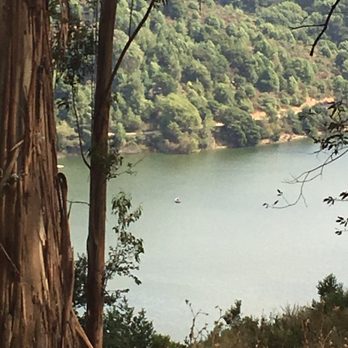


11 years ago
Although I've hiked many a trail in the East Bay Regional Park District, 2016 is the first year I will be taking the Trails Challenge. By downloading the trails guide, I'm discovering all sorts of hiking suggestions and new parks I haven't yet explored. Anthony Chabot Park has a featured "moderate" hike in the official Challenge Guide (http://www.ebparks.org/Assets/Features/Trails+Challenge/Trails+Challenge+Guidebook+2016_Web.pdf) that I hiked today. There are several ways to reach the park, with an extensive network of trails. The shorter loop I took today was a great intro to the park for me and definitely piqued my interest in exploring more. I parked at the Big Tree/ Bort Meadow staging area, which is easy to reach via Redwood Road. It's about 5.5 miles on Redwood Road off highway 13 and not that much further than where I usually park for Redwood Regional Trails. There is a medium size gravel lot and at 9:30 on a Sunday morning, already half full. The trails challenge featured hike took me on McDonald Trail, then left to Bort Meadow. After a right on Grass Valley, follow the markers to Ranch Trail. There is a cattle gate but none were grazing today. There is a wide trail with an open meadow on one side and views of the higher up Skyline trail to the right. After a short while, I left the Ranch Trail and turned left on Golden Rod. This winds slowly upwards and pays off with panoramic views of the park towards the top. I enjoyed the varying terrain of trees, shrub, moss covered branches and wide open vistas. The trail was a bit muddy in spots but not unmanageable. The last leg of this short hike was a left on Buckeye Trail which takes you down along a creek (which after some rain, I was happy to see flowing a bit,) and over a few foot bridges. The fog was burning off and this wooded area was bright green and had a surprisingly magical feel to it. You will eventually be let out at the Bort Camp and meadow (bathrooms, picnic tables and water.) From there I picked up the Grass Valley trail back to the lot. I can't speak for all of Anthony Chabot park, but this short loop was very satisfying in terms of a variety of terrain, scenic views and beautiful meadows & canyon areas. Looking at the map, it appears you can make longer loops from the Golden Eye trail. That and the Buckeye were my favorites of this hike, so I will definitely be back to explore longer hikes. #1 of 2016 East Bay Regional Parks Trails Challenge Distance: 2 miles read more
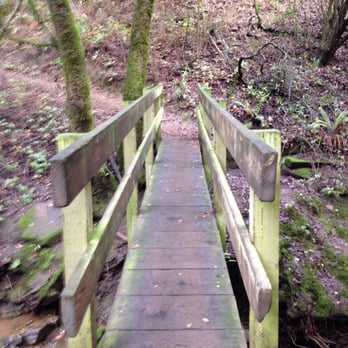


11 years ago
Beautiful park! A must stay if you are on the road and in the East bay area. Try to get a spot between sites #69 through #75, scenic view of the lake between the eucalyptus trees. Free showers, are you kidding me! read more


15 years ago
I stayed here for two nights with four girls and four guys(myself included) all college freshmen from SF. We needed a getaway that wasn't too far away so we found this place. We didn't really know what to expect other than reading other reviews about tight security, and noise complaints about the BART and a nearby shooting range. When we got there, we were slightly underwhelmed with our given space (lot # 64) and often found ourselves wishing for one of the larger ones (#69 is ideal) but we still had plenty of room for a campfire and a 12-person tent. Positives: Beautiful location and great views from all around, we took a short hike down to the lake and had a picnic on the dock relaxing for a couple of hours. We never had any issues with security, which we found odd considering we were a large group of students. They patrolled once around 10pm each night and we never saw them again Bathrooms! We were a 2-minute walk from free hot showers and restrooms. Negatives: The firewood can be a bit pricey. You're not supposed to bring your own so they charge you $6 for one of their bundles. we lasted three days with 2 of their bundles Very close quarters with other campers. Most of the campsites that we saw were roughly 5-10 ft away from each other. If you look at the map beforehand, you can see where your site will be and how much space you will have. They differ, ours was very reasonable spacing. No body contact whatsoever allowed in the lake. Kind of a bummer, considering the campsite is surrounded by the lake. Overall, we had a great time enjoying each others company away from the city and made-do with any minor downsides. Really beautiful, maybe we'll return, maybe we wont. But it was a nice place nonetheless read more


8 years ago

12 years ago
I found a new love for Lake Chabot by discovering the upper trails. I once hiked the lake starting at the parking lot in Castro Valley, and I remember hating the traffic jam, paved trails, and tons of people. This time I started at the parking lot in Oakland (Skyline and Grass Valley), which had plenty of free parking in the morning (and even a couple spots when I returned at 2pm). I hiked the loop from Goldenrod to Bass Cove to West Shore to Indian Cove to Cameron to Columbine and back to Goldenrod. I started early and hiked Bass and West Shore first, so there was practically no one there. I think there's a gun club nearby so during the start of the hike I head them and also saw some golf carts from the course nearby. I saw some newts crossing the trail, so keep your eye out. Indian Cove takes you off the busy shore into the woods. There's a nice bridge and views of a marsh area as you loop around. It wasn't very busy at this time on the lower loop, and I liked that there were abundant restrooms and garbage cans. I encountered a couple aggressive dogs but at least they were on leash. Traffic really thins out after you cross the bridge and there was almost no one on the last 4 miles. I really enjoyed this last part of the hike along the Columbine trail. It snakes up through the hills, through eucalyptus trees and a forest of huge redwoods. There are great views of Lake Chabot from that trail. The end of the Columbine trail (where it connects back to Bass), has a decent sized creek running through it. I had to cross it several times to get back to Goldenrod, and it was deep in some areas. It hasn't rained in a while so I expect this area can get sketchy. I also found 3 ticks crawling on my dog in this area, so make sure to check your dog! This loop ended up being about 12 miles. I only remember 4 fairly steep hills, so overall the hike wasn't too challenging, just long. It had great scenery the entire way and was a great way to get a taste of Lake Chabot without all the chaos. read more


9 years ago

17 years ago


Page 1 of 4
More info about Anthony Chabot Regional Park
9999 Redwood Rd
Castro Valley, CA 94546
Directions
(888) 327-2757
Call Now
Visit Website
http://www.ebparks.org
Hours
Outdoor Amenities
Other Amenities
Anthony Chabot Regional Park Reviews in Other Languages
Ask the Community - Anthony Chabot Regional Park
Hello there I notice you have full hook ups for RVs. Do you offer long term stay rates say by the…
It's only 14 days at a time with a limit of 29 days per year if I'm not mistaken. Just got off the phone with them which was almost impossible to reach anyone
Is there parking for overnight guest that is within a reasonable walking distance from the campsite? Our party has more cars than allowed.
No.
How many cars allowed in each camp site? is it allowed to have visitors on the camping site?
2 cars per site. 8 people max.
Review Highlights - Anthony Chabot Regional Park
You might also consider
















Why does Yelp recommend reviews?
3 reviews that are not currently recommended
The reviews below are not factored into the business's overall star rating.
12 years ago

15 years ago


