American Legacy Tours
American Legacy Tours Photos



You might also consider


More like American Legacy Tours
Recommended Reviews - American Legacy Tours
Start your review...


Reviews With Photos
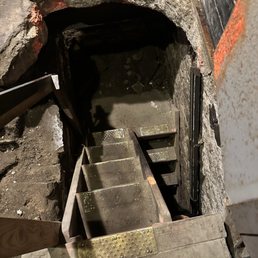

Harrison our tour guide was the best. So happy we made the decision to take the underground tour. Who would have known the underground tunnels were used as a large refrigerator for fermenting beer. So much history and the building are absolutely beautiful.


Miranda was AMAZING!!! Very charismatic and kept our tour group entertained the whole time. She was also very informative and very considerate, especially when we moved to areas that are a bit difficult to move in. She did a great job explaining the best way to move. Overall very fun!!


We went on the underground tour and we highly recommend going on this tour. Request Harrison, he was fantastic!


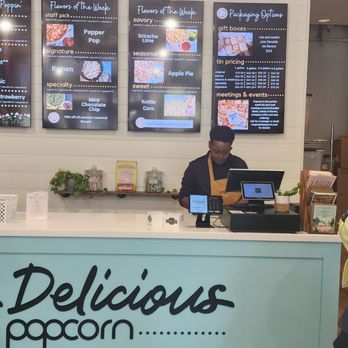
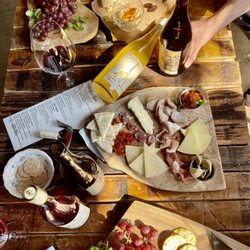
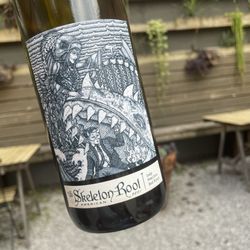
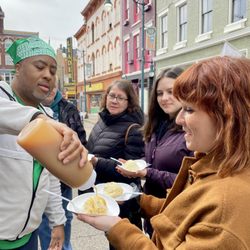
Took a dessert and wine tour with my wife. Viator had a better description than their site. I expected different desserts, but it still worked. 3 stops graeters for ice cream Al's popcorn for great popcorn to try and a macron store. final stop was revel wine bar and winery. We had a great tour guide, Madelin. Got some history of buildings and of Washington park. They also do ghost tours. I think it was 79 dollars for a 2+ hour tour.


Miranda was our guide for the underground brewery tour. It was a fantastic tour and she did an awesome job of giving historical detail while keeping it very light. I would highly recommend her and the tour.


Great time and WHO KNEW this was here?! I lived in Cincinnati years ago and learned so much. Laura was so full of information and was a fantastic guide. Next we'll do the Ultimate tour. FYI - next time I won't wear flip flops!


Underground Cincinnati tour to round out our trip. Actually really cool but also very worth it. We walked away smarter. At least about beer. And well, that seems to be what #Cincy cares about most. #PatsYourBags #DeezPats #Patsinnati #PatsAwayGames #PatsNation #Cincinatti #AmericanLegacyTours Highly recommend Harrison!!!!

It was a really fun experience and I really loved learning of the history. I did the ultimate underground tour and I had an amazing time. I learned a lot about the history of the tunnels and the breweries. Harrison was a great guide I can't drink for another 3 years but it was still a fun time. I'll have to come back in the future to really learn more about the alcohol.

We LOVED our tour! We did the hidden caverns tour and it was an incredible afternoon! We learned so much about the history of brewing in Cincinnati and will absolutely be back for more tours! As locals we can't wait to try them all! Patrick (Pat Daddy) was super knowledgeable and made the tour so fun, we loved his tour!


Miranda is a phenomenal tour guide! She really made the tour! Leading the deep history of OTR was a wonderful experience.


We took the 'Hidden Caverns Tour.' Our expectations from the online description and the reality of the tour didn't match, but it was still enjoyable. What's described as "underground journey of the historic Linck brewery tunnels beneath the City" was more above ground than anything. We definitely learned the history of the Linck tunnels but we were a bit disappointed we weren't touring more underground - especially since it was a cold December day. The actual cavern portion is maybe 20-25 minutes of the 90 minute tour, and is pretty cool. It's amazing what people used to be able to build without today's technology! But again, we thought most of the tour would be in caverns and tunnels. I was completely picturing a whole other underground world where you take this tunnel and pop at this brewery, then back down and end up at another one. Learning how the caverns work, it makes sense that's not an underground world like that, but the description of the tour online should be tweaked to be more 'above ground tour about the underground.' If you're interested in the history of beer it is a good tour. Shout out to our tour guide Harrison. He was a wonderful guide and he made up for the disappointment of it not being completely underground. He had great knowledge and humor, made sure we could all hear him, pointed out other things that weren't on the typical agenda, and made it enjoyable and engaging.


Miranda was a great guide. She knew about the history of Over The Rhine. There were so many breweries there, but few are left. I learned a lot and had a great time.
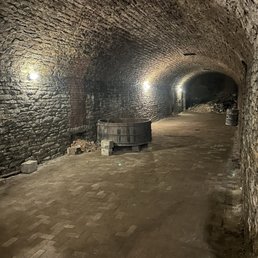

Dean from American Legacy Tours gave us an amazing tour filled with history, humor, and great beer at the end! I strongly recommend this tour!


2 months ago


3 months ago
What a great time! We did the Queen Tour with Harrison-he was so engaging and very nice to entertain the kiddos! It was perfect weather-hot outside and a perfect cool down refrigerator temp in the "caves". Wear tennis shoes and it does last the full 90 minutes-time does fly though! Again-Harrison was just great! Great work! read more


Harrison our tour guide was the best. So happy we made the decision to take the underground tour. Who would have known the underground tunnels were used as a large refrigerator for fermenting beer. So much history and the building are absolutely beautiful. read more


2 months ago

Miranda was AMAZING!!! Very charismatic and kept our tour group entertained the whole time. She was also very informative and very considerate, especially when we moved to areas that are a bit difficult to move in. She did a great job explaining the best way to move. Overall very fun!! read more


9 months ago
We went on the underground tour and we highly recommend going on this tour. Request Harrison, he was fantastic! read more


3 months ago
4 months ago
3 months ago


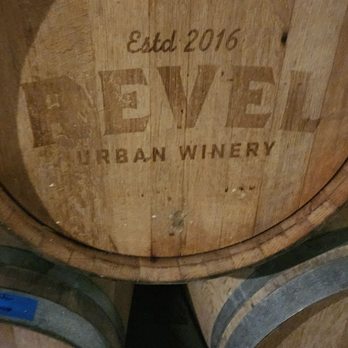
Took a dessert and wine tour with my wife. Viator had a better description than their site. I expected different desserts, but it still worked. 3 stops graeters for ice cream Al's popcorn for great popcorn to try and a macron store. final stop was revel wine bar and winery. We had a great tour guide, Madelin. Got some history of buildings and of Washington park. They also do ghost tours. I think it was 79 dollars for a 2+ hour tour. read more





1 year ago
Miranda was our guide for the underground brewery tour. It was a fantastic tour and she did an awesome job of giving historical detail while keeping it very light. I would highly recommend her and the tour. read more


1 year ago
Great time and WHO KNEW this was here?! I lived in Cincinnati years ago and learned so much. Laura was so full of information and was a fantastic guide. Next we'll do the Ultimate tour. FYI - next time I won't wear flip flops! read more


2 years ago
Underground Cincinnati tour to round out our trip. Actually really cool but also very worth it. We walked away smarter. At least about beer. And well, that seems to be what #Cincy cares about most. #PatsYourBags #DeezPats #Patsinnati #PatsAwayGames #PatsNation #Cincinatti #AmericanLegacyTours Highly recommend Harrison!!!! read more

2 years ago
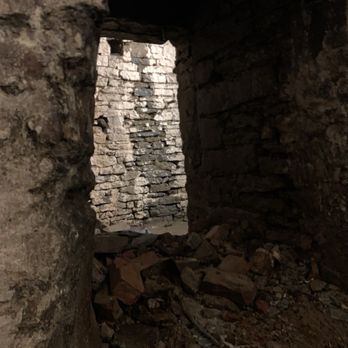
It was a really fun experience and I really loved learning of the history. I did the ultimate underground tour and I had an amazing time. I learned a lot about the history of the tunnels and the breweries. Harrison was a great guide I can't drink for another 3 years but it was still a fun time. I'll have to come back in the future to really learn more about the alcohol. read more


1 year ago
We LOVED our tour! We did the hidden caverns tour and it was an incredible afternoon! We learned so much about the history of brewing in Cincinnati and will absolutely be back for more tours! As locals we can't wait to try them all! Patrick (Pat Daddy) was super knowledgeable and made the tour so fun, we loved his tour! read more


1 year ago
Miranda is a phenomenal tour guide! She really made the tour! Leading the deep history of OTR was a wonderful experience. read more


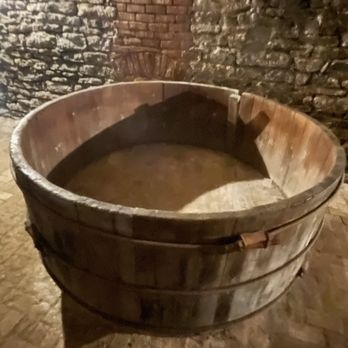
We took the 'Hidden Caverns Tour.' Our expectations from the online description and the reality of the tour didn't match, but it was still enjoyable. What's described as "underground journey of the historic Linck brewery tunnels beneath the City" was more above ground than anything. We definitely learned the history of the Linck tunnels but we were a bit disappointed we weren't touring more underground - especially since it was a cold December day. The actual cavern portion is maybe 20-25 minutes of the 90 minute tour, and is pretty cool. It's amazing what people used to be able to build without today's technology! But again, we thought most of the tour would be in caverns and tunnels. I was completely picturing a whole other underground world where you take this tunnel and pop at this brewery, then back down and end up at another one. Learning how the caverns work, it makes sense that's not an underground world like that, but the description of the tour online should be tweaked to be more 'above ground tour about the underground.' If you're interested in the history of beer it is a good tour. Shout out to our tour guide Harrison. He was a wonderful guide and he made up for the disappointment of it not being completely underground. He had great knowledge and humor, made sure we could all hear him, pointed out other things that weren't on the typical agenda, and made it enjoyable and engaging. read more



2 years ago
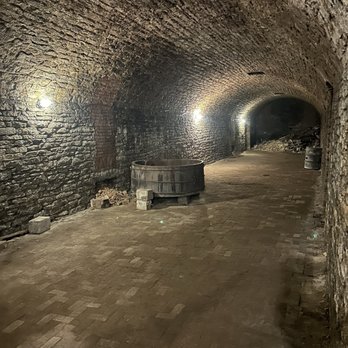
Dean from American Legacy Tours gave us an amazing tour filled with history, humor, and great beer at the end! I strongly recommend this tour! read more

2 years ago
We went on the Queen City Underground tour with Harrison yesterday and it was so much fun! Harrison was the best tour guide. He is very knowledgeable and passionate about his job. Highly recommend! We've already told several friends to book when they are in Cincinnati. read more


1 year ago

I recently did the Ultimate Queen City Underground Tour with a group of friends during a bachelorette weekend. We had a blast learning about the history of Cincinnati, particularly about the history of beer and brewing! It was so cool to go underground and see the brewery tunnels and learn how they were used previously, the process to restore them and what they hope to do as they restore them. Our tour guide, George, was a great storyteller, very knowledgeable and passionate and funny too! He gave us so much information during the two hour tour and answered any follow-up questions our group had. I would definitely recommend booking a tour with American Legacy Tours and I would recommend requesting George as your guide! read more


2 years ago
1 year ago
2 years ago
Just got done on a tour in Cincinnati. Harrison was our tour guide. He did a an amazing job! Enjoyed the stories he told. read more

2 years ago
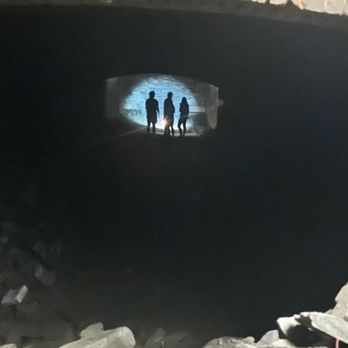
We absolutely loved our Nightmare on Elm Street walking tour with Miranda! So much creepy, scary fun to explore the tunnels and to hear the cool historical stories. We cannot explain why our flashlight kept flickering off and on in sync with the candle. Very scary and mysterious! read more


1 year ago

2 years ago


1 year ago
1 year ago

4 years ago
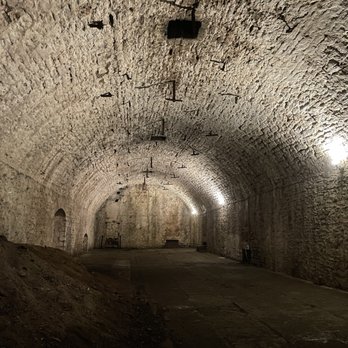
My friends and I took the Ultimate Queen City Underground Tour while in Cincinnati for work. The tour was extremely informative about the history of the city and some of the hidden secrets/underground world. We try to do tours in every city we pass through and this was definitely the most informative and interesting one I can remember. Our tour guide Zach was really funny and knowledgeable and definitely made the tour great. We are going to look into other tours with Legacy and would highly recommend!! read more

3 years ago
My wife and I took the Underground Tour this afternoon and had a great time! Our guide Peggy was great. Very informative, funny and personable, she gave us an entertaining tour and took us to some very interesting locations. I would definitely recommend booking this tour. Next time we come to Cincinnati I think we will take one of the haunted tours. read more


1 year ago
1 year ago

3 years ago
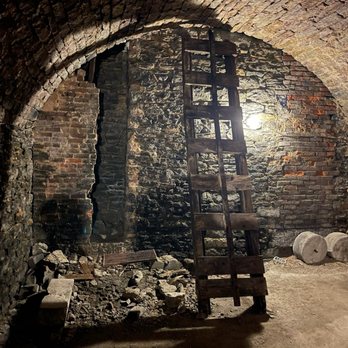
My family and I went on our tour with Miranda! This woman is fire! The absolute best tour guide you'll ever encounter. She's warm, funny, knowledgeable, and so clever. She took time after the tour to talk with my parents and gave my mother special attention. Her attention to detail and her thoughtful insights made the tour extraordinary. read more



1 year ago

3 years ago
Julie was an amazing tour guide! Her knowledge of the area, as well as Cincinnati in general, was exquisite. She was friendly and accommodating. Julie made everyone feel like they had been friends with her for years. If you take the tour, ask for Julie! read more

Page 1 of 7
More info about American Legacy Tours
1332 Vine St
Unit C3
Cincinnati, OH 45202
Over-the-Rhine
Directions
(859) 951-8560
Call Now
Visit Website
http://www.americanlegacytours.com
Hours
Other Amenities
From the Business
American Legacy Tours Reviews in Other Languages
Ask the Community - American Legacy Tours
What's the most popular and fun tour for an adult group?
Cincinnati underground. The “lost” brewery i call it, was so cool. The history and then ending up at the tap room. It was a great way to cap off the tour.
Review Highlights - American Legacy Tours
You might also consider

















Why does Yelp recommend reviews?
51 reviews that are not currently recommended
The reviews below are not factored into the business's overall star rating.
8 years ago
2 years ago

7 years ago
4 years ago
5 years ago
2 years ago
1 year ago

4 years ago
5 years ago

4 years ago
7 years ago
2 months ago

8 years ago
2 years ago
2 years ago

2 years ago
1 year ago
1 year ago
3 years ago
4 years ago


