Čaj Chai Photos


Recommended Reviews - Čaj Chai
Start your review...

Reviews With Photos


Awesome shop. Gets quite busy and not a lot of tables so can have a waitlist. There is "group" seating for you to mix with others who don't wait in line. Tea is fantastic! Snacks are amazing. Prices are not bad I'm not sure why this is €€. Chai is fantastic and their herbal teas are quite yummy.


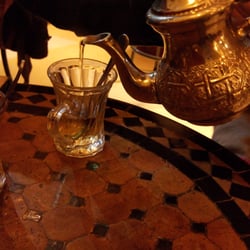
Un sitio genial en el que te puedes tomar el mejor de los tés y presenciar como se realiza la ceremonia del té, ya que se hacen pequeños "cursos" en el mismo local donde te enseñan a apreciar este maravilloso ritual. Un punto a favor del local es que te quedar sin 3G en el movil, ya que es un local hondo, y así puedes charlar sin la tentación de estar cada cinco minutos mirando el movil, je je.


Uber unique and rad Gourmet Chai Teahouse. Venue has Super friendly and knowledgeable staff. The atmosphere is relaxing and chill. The menu is quite large and they have seating outside on the patio as well as inside. I didn't have time to experience a tea ceremony time but It definitely on my bucket list next time I in Barcelona. I Highly recommend stopping in. Do make sure you leave yourself some time to enjoy. There typically is a bit of a wait! I recommend trying the Yogi Chai - Chai spices with milk and honey. Refreshing and soothing. Stop in next time your in the area. You won't be disappointed!


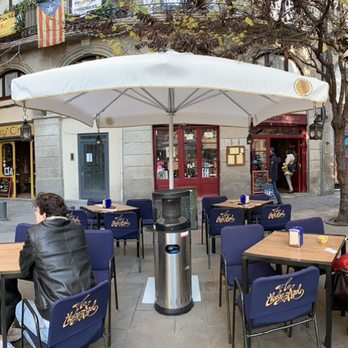
We ordered the chai with milk and the chai with chocolate. Both were delicious and were very different from what we are used to in California. We had our beverages at their outdoor seating that is in a quaint courtyard surrounded by local apartments. There is an option to sit inside which is very cozy. The wait was too long to sit inside. They take their time in serving. However, that seems to be the norm in Spain. A bit of a cultural shock for us. Though it was a great reminder to enjoy the little moments.


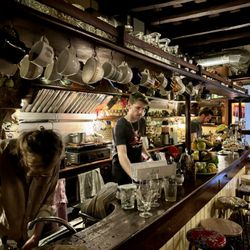
This is a quaint place tucked in the middle of the winding alleyways of La Ramba and is easy to miss. But if you find it the place is certainly worth a visit. The small establishment is nicely adorned and has a decent amount of seats for the space. The employees were also friendly and helped described their items for touristy me. I tried a dirty chai and it was quite strong with spices. I enjoyed it, but if you like a weaker flavor you may be in for a surprise. I also sampled an array of cookies and treats. They were all fairly petite and, although I really cannot recall their names, none tasted bad. Some just ok, some good, but none were great either. Be warned, cell service is non-existent inside, so plan to stay off the phone! All things considered, this place was a pleasant surprise on an otherwise chilly afternoon stroll. read more


After walking a whole lot, our friends were exhausted and wanted a place to sit and take a break. We looked up what's nearby and decided to come here. What a lovely shop! Charming decor, great hospitality, and fantastic tea selection. We very much enjoyed our time at the tea house and highly recommend it! read more


1 year ago
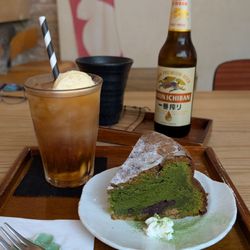
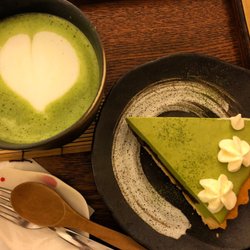
This was such a refreshing stop from having walked for hours this day. I saw many coffee shops while in Spain but not hardly any tea places which I'm a big fan of. The set up inside is cute and their choice of drinks were different and good. Tried their dessert and liked those too. The workers were very friendly. If you're a tea drinker then you definitely need to try this spot. read more


5 years ago

8 years ago
Awesome shop. Gets quite busy and not a lot of tables so can have a waitlist. There is "group" seating for you to mix with others who don't wait in line. Tea is fantastic! Snacks are amazing. Prices are not bad I'm not sure why this is €€. Chai is fantastic and their herbal teas are quite yummy. read more


Un sitio genial en el que te puedes tomar el mejor de los tés y presenciar como se realiza la ceremonia del té, ya que se hacen pequeños "cursos" en el mismo local donde te enseñan a apreciar este maravilloso ritual. Un punto a favor del local es que te quedar sin 3G en el movil, ya que es un local hondo, y así puedes charlar sin la tentación de estar cada cinco minutos mirando el movil, je je. read more


8 years ago
Uber unique and rad Gourmet Chai Teahouse. Venue has Super friendly and knowledgeable staff. The atmosphere is relaxing and chill. The menu is quite large and they have seating outside on the patio as well as inside. I didn't have time to experience a tea ceremony time but It definitely on my bucket list next time I in Barcelona. I Highly recommend stopping in. Do make sure you leave yourself some time to enjoy. There typically is a bit of a wait! I recommend trying the Yogi Chai - Chai spices with milk and honey. Refreshing and soothing. Stop in next time your in the area. You won't be disappointed! read more



8 years ago
We ordered the chai with milk and the chai with chocolate. Both were delicious and were very different from what we are used to in California. We had our beverages at their outdoor seating that is in a quaint courtyard surrounded by local apartments. There is an option to sit inside which is very cozy. The wait was too long to sit inside. They take their time in serving. However, that seems to be the norm in Spain. A bit of a cultural shock for us. Though it was a great reminder to enjoy the little moments. read more


9 years ago


7 years ago

9 years ago
I consider myself a tea aficionado. I know what I prefer, and I can actually list teas in order of my preference. The variety of teas available at Caj Chai were amazing. The set up of the tea was also unique. Of course, this is my first time in Europe, so I don't know how tea houses are here. However, it was a great experience, and I would definitely go again. The pastries could use a little work, but the tea was phenomenal! read more


11 years ago

7 years ago

8 years ago
8 years ago


9 years ago
12 years ago

15 years ago