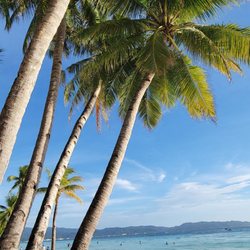
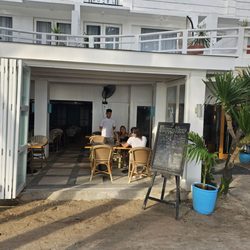
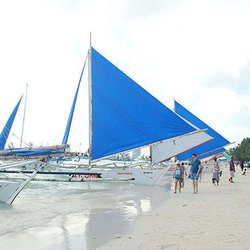
Zetro ATV & Buggy Tours Photos



Recommended Reviews - Zetro ATV & Buggy
Start your review...



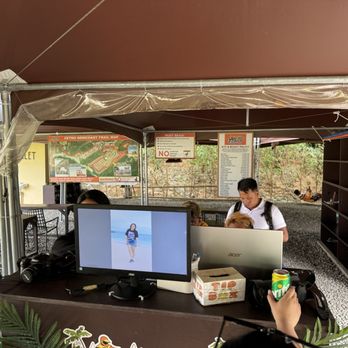
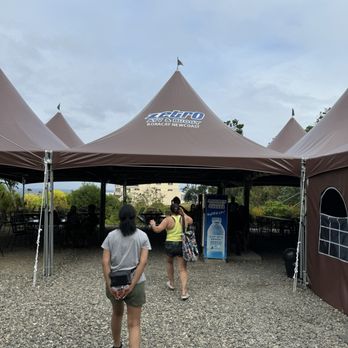
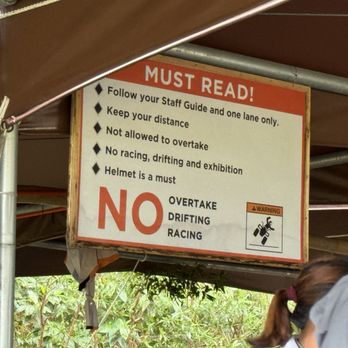
While in Boracay, this is an excellent activity to do with family or friends. It's easy to drive as it's all electric and you don't need a license to drive. You can have up to two passengers if one cannot drive. Children from 1 to 7 must accompany an adult. Not sure I could take a 1 year old but up to the parent....We were actually picked up close to our hotel but not in our hotel as it's not allowed as hotels will only allow their own tours so be aware. I didn't mind. This tour was a little cheaper. The staff were English speaking and easy to understand all their instructions for their ATV's. Make sure to follow so you won't have to pay any fines. We visited four different spots and it took us about two hours depending on your group and how long you take in each spot. The weather was windy but just humid warm enough for us. The road was mainly 3/4 flat but there is a patch to have off road fun. Too bad it was not wet or raining, I think it would have been more fun on the dirt! At the end of the tour, you will get to see all the professional pictures they took of us. You can order hard copies and digital if you order a certain amount. We also took our own. You can find them on Klook to book. This is a must while in Boracay! [14R,2024] read more




More info about Zetro ATV & Buggy
Newcoast Dr
Malay, Aklan
Philippines
Directions
Hours
Outdoor Amenities
Other Amenities