
Willy Street - North
Willy Street - North Photos


Business Info
You might also consider

More like Willy Street - North
Recommended Reviews - Willy Street - North
Start your review...


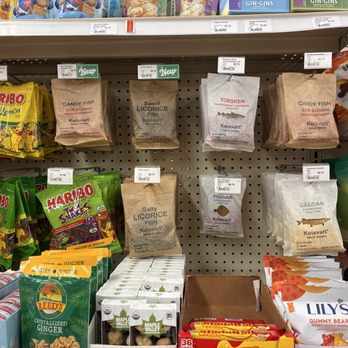
I don't know anywhere else on the planet where I can find exquisite kumquats, fresh donuts, crochets hats, my favorite Swedish candies, posh ginger beer, handwoven baskets, Diet Coke, puzzles, puppets, and fermented beets!! The crew here are so cool, kind, and attentive. And they cook up the best hot bar with plenty of vegetarian options! Super clean and spacious store. Love the layout. Open, welcoming, not noisy. read more



Business owner information

Brendon S.
Thanks so much for the review and the kind words, Susie - we…


6 years ago


6 years ago

9 years ago


4 years ago
Business owner information
Brendon S.
Thanks so much for your review and kind words. Have a nice week!…

10 years ago
Business owner information
Brendon S.
Thanks so much for your review, Sallie Jo - we're so glad to be on…

10 years ago

I love the size of this place! Pretty impressive! The only thing I was not impressed with is the dry turkey and ham @ the salad bar. It was super dry. But after my workout, I needed food and I was not being picky. So I ate it anyway. This place was HUGE!!! It was really nice and clean. I was able to find what I needed with no issues at all. I really enjoyed eating my lunch by the fireplace. That was awesome! They even have toys available to keep the little ones entertained. I like the layout of the store. I didn't get the really friendly greeting like I normally do @ the other locations. I think I prefer Whole Foods salad bar rather than the one here. Hopefully they can get that in order because this is a lot closer to home for me. read more


9 years ago
Business owner information
Brendon S.
Hi Valerie,…

8 years ago


7 years ago


9 years ago

10 years ago

10 years ago
Business owner information
Brendon S.
Thanks for the early review, Sarajane! We're super-excited too!…
7 years ago
10 years ago
Business owner information
Brendon S.
Hi Sarah,…
8 years ago
More info about Willy Street - North
2817 N Sherman Ave
Madison, WI 53704
Sherman
Directions
(608) 471-4422
Call Now
Visit Website
http://www.willystreet.coop
Full menu
Hours
Payment methods
Food & Alcohol
Indoor Amenities
Outdoor Amenities
Other Amenities
From the Business
More Info
Health Score
Ask the Community - Willy Street - North
Review Highlights - Willy Street - North


































Why does Yelp recommend reviews?
3 reviews that are not currently recommended
The reviews below are not factored into the business's overall star rating.
5 years ago

2 years ago

3 years ago


