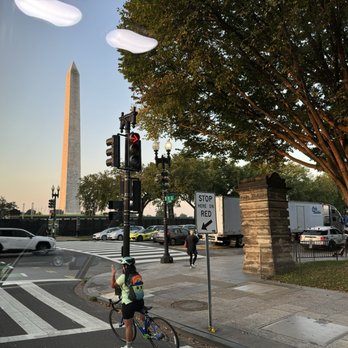
Washington, DC Photos
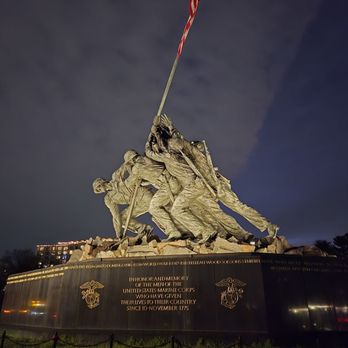
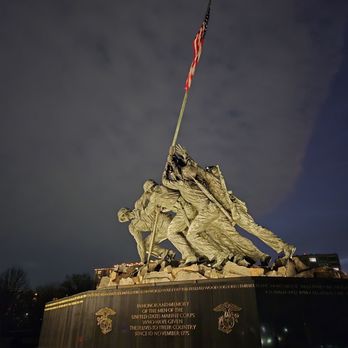

More like Washington, DC
Recommended Reviews - Washington, DC
Start your review...


Reviews With Photos


Have visited multiple times. If you're from out of town, you're best bet is to stay near the Smithsonian/Federal areas. The museums are a gift in every way. I recommend especially the Botanical Gardens, Zoo, American History Museum, and the Holocaust Museum. These are all places to learn. There are lots of interactive activities, and also the food trucks in the area are fun. As for the Washington Monument it is impressive, but the window view is limited. DC doesn't allow without ridiculous interference, for it's law abiding moms and dads to have concealed carry "privileges." Visitors aren't allowed to carry. As much as I love DC's finest, want to be potentially in a bad situation for 5 minutes? DC has a violent crime problem, mostly because of this, but also prosecutors who put violent felons in for a couple years to release and repeat. One thing is for sure, don't wear a Canada Goose jacket or walk a French bulldog. The Capitals and Wizards are leaving for good reason. As for the metro it works, but NYC and other jurisdictions are more efficient and cost effective. It can be a pretty city, but right now take precautions. If you do get the chance my favorite place to eat is Ben's Chili Bowl.


WASHINGTON, DC is a fantastic place to visit, especially if you love history & museums. On our first visit in 2014 we stayed three days and covered a large portion of the museums, memorials, and monuments along the National Mall. I closed my last review with plans to be at the opening of the National Museum of African American History and Culture in 2016, but I didn't actually achieve that goal until our second visit to DC in the Fall of 2021. NMAAHC is currently my absolute favorite museum in Washington DC or anywhere else for that matter. It is so well done and packed with amazing exhibits. My favorite section is the top floor, which is dedicated to entertainers. Our 3rd visit to DC occurred in June of 2022. The Air & Space Museum was high on my priority list, but sadly they are closed for renovations and will not be reopening until later this year. No exact dates are currently available, their website simply says FALL of 2022 with the East Wing scheduled to reopen in 2025. So for this trip we visited Hirshhorn Museum & Sculpture Garden, the International Spy Museum, Arlington National Cemetery and revisited the National Museum of Natural History. ISP is absolutely fantastic, but it is not FREE and will honestly leave some people with a self-diagnosis of mild to severe paranoia... depending on your personal level of anxiety. Get ready for what feels like top secret information you thought you wanted to know until you do... LOL! [ GET TO STEPPIN' ] ~ TIP #1: Bring comfortable shoes If getting Fitbit steps is your thing then Washington, DC is your Mecca, so a pilgrimage here would place you in pedometer heaven. You can achieve some serious mileage walking from museum to museum and even more mileage INSIDE the museums. The distance one way from the steps of the Lincoln Memorial to the rear steps of the Capitol is approx. 2.2 miles. Add a detour to the front gate of the White House and you're closing in on 3 miles before stepping foot inside any building. We've historically averaged about 7.5 miles a day each time we've visited DC counting the round-trip walk from our hotel to different places of interest & eateries. [ FOOD ] ~ TIP #2: PARENTS, pack snacks, sandwiches and lots of drinks! Most of our visits left us only mildly satisfied with the more expensive restaurants, so we generally opt for the food trucks scattered all over town. However, on this latest visit we tried two restaurants for a nice sit down meal: BUSBOYS & POETS on K-Street and UNCONVENTIONAL DINER on 9th. Both had hit-or-miss items, but we LOVED the $9 MOROCCAN TAQUITOS appetizer @ UD and the $26 SHRIMP & GRITS @ BB&P. We've also really enjoyed the hoagie sandwiches @ Mother Rucker's on previous visits as well as the pizza @ &pizza and the original half-smoke @ Ben's Chili Bowl. I hope to find a great restaurant in China Town next visit, so if you read this review and have an awesome recommendation... please message me. [ FAVORITE PLACES TO GO ] ~ Tip #3: So much to see & so little time, so divide the Mall in half and conquer it in sections if staying multiple days. Here are all the places/museums we've visited so far in Washington, DC in order of our most to least favorite (which I determine by how often I'd be willing to go back). Please note that even our least favorite in DC still tops many museums elsewhere. 1) Museum of African American History & Culture 2) International Spy Museum Holocaust Museum 3) Museum of Natural History 4) National Zoo 5) Ford Theater 6) U.S. Botanical Gardens 7) Hirshhorn Museum 8) Lincoln Memorial & Reflection Pond 9) Arlington National Cemetery 10) Museum of the American Indian + most all the memorials directly on the Mall NEXT UP TO VISIT * Air & Space Museum * National Gallery of Art * African American Civil War Museum * George Washington's Mount Vernon * Theodore Roosevelt Island * Tidal Basin [ FINAL THOUGHTS ] Washington DC so far has provided lots of value in both world-class museums and cardio fitness. Definitely a fun town for families or anyone wanting to explore all there is to see and do in our Nation's Capital. Best to research preplan where you want to eat prior to your visit, unless you're like us and don't mind exploring the large variety of food trucks. ENJOY! 2022 / 109


We enjoyed about two days in Washington DC and it was wonderful. We stayed at the Hilton near the National Mall and the Wharf where there are many restaurants. We did the Big Bus hop on hop off bus all day and night $62.10 from the Hilton and it was a great way to see all the sights. We were able to see three Smithsonian museums which are all free and spectacular. There are 17 Smithsonian museums.


Washington DC [WDC]. (3.5 stars). This review is MY POV after living in the district for a year. I moved here from Hawaii in August of 2020 and I have learned a lot about WDC since becoming a resident. Yes, there are tons of free museums and monuments and other historical reasons for visiting WDC. But I'm talking about the "other district". A few things I have learned in the time I've lived here: DYK: DC has at LEAST 5 different police departments? I stopped counting after 5... 1) DMV = DC/MD/VA... Not Dept of Motor Vehicles. For most situations. 2) WDC is commonly referred to as "The District". 3) Squirrels are EVERYWHERE!! 4) There is a UNITED STATES DEPT OF TRANSPORTATION in Southeast DC. 4) When you are on the escalator at any metro station, stay to the right unless you're passing someone! (Left is for faster more agile people than me)!! 5) Cherry Blossom season is beautiful but it only lasts for a few weeks at most! 6) Winters here are not that bad coming from New England where there are blustery winds and snow storms constantly! Last winter there was maybe a few inches of snow... 7) DC recently passed a law that basically states "Jay-walking" is not illegal unless you are doing something else at the same time... go figure. Hence the reason why cars and people don't obey any signs! Speeding is rampant so be careful!!! Lots of speed traps and cameras and tickets are usually mailed to you or you can check the DC DMV (Dept of Motor Vehicle) website. 8) DC also recently passed a law that legalizes marijuana. Sorry I'm just not a fan of the smell and I'm certain the law didn't mean you could blow smoke on the street at every passerby!! Grunt!!! 9) Chinatown in DC is really not the place to go for Chinese food. Nice history and architecture but NoVA (North Virginia) is better. 10) AdMo = Adams Morgan. Hip place to get food. 11) NoMA = North of Massachusetts Ave. Google it. It has ties to MLK Jr. 12) Everyone it seems puts their hazard lights on and blocks roads constantly and thinks it's ok because they have their flashers on... 13) WALKING in DC is actually quite nice and there are a lot of small businesses with cute trinkets!! 14) The Wharf in SW DC is the freshest place to get seafood. They even sell them "cooked"!! 15) Rush Hour is from 1600-1800ish. Don't park on main roads even if there are meters because you WILL get a ticket for $100+ and if you don't come back in time... your car WILL get towed!! 16) DC is sadly becoming a war zone with homicides and gun violence happening almost hourly it seems?! I believe the local news has stated that DC is in the top 5 in the country as far as homicides are concerned?! Yikes. 17) Navy Yard is an AREA in SE DC. The Washington Navy Yard (WNYD) is located IN the Navy Yard area. 18) SE and NW DC are seemingly the "luxury" areas of DC. I don't agree but many tell me that. 19) The names George, Washington and Mason are utilized in many businesses and colleges because they all center around George Washington and the fact that he was Mason. (e.g. George Mason University, Washington DC, Georgetown, etc). 20) There is a little known Titanic Memorial in the SW Waterfront district. Hint: Yelp It!! :) Aside from all my "learning moments" in the year I've been here, DC is still a decent place to live. One just has to be very cautious when driving and walking!! I'm sure I'll learn more as the days pass but this is a pretty good list so far.


Our Nation's Capital is a unique place to visit. Of course, the most important decisions regarding the livelihood of Americans are made right here. It is the home of our current President, Senators, Congressman, local politicians, and of course wonderful members of the public. D.C. is most importantly, a city full of history! However, there's much more to D.C. than politics! Like any major city, heavy traffic is a major issue. Luckily, ride share services and taxi cabs can ease your frustrations. The local metro bus and train system is a great alternative to help you get around. The metro system is relatively easy to figure out and if necessary, there's always a helpful individual to answer any of your questions. There is a lot see and do while in D.C. Museum entry is free but make sure that you research the museum that you'd like to explore prior to your arrival. There are a couple of museums like the United States Holocaust and Memorial Museum and The National Museum of African American History and Culture that require a reservation prior to your arrival. Each museum is unique in itself, offering a wealth of knowledge. Several monuments and memorials honor Americans who had an important role in American History. Presidents, Martin Luther King Jr, and veterans have been recognized for their bravery and sacrifices that they made to help our country move forward in a positive direction. Engraved at each monument/memorial is historical information, documenting the contributions of each individual. Besides all of the historical tours that you can take, there's also much more to do! After all, people live in this amazing city and I can see why it attracts visitors from around the world. Several unique eateries are located throughout smaller neighborhoods within Washington. Parks, shops, bars/clubs, and establishments that are truly one of a kind are what peaks the interests of curious individuals. Of course, D.C. is not perfect. You need to know which parts to avoid if you're unfamiliar with the area. The central location that tourists flock to is a bit safer because of the increased level of national security. I love visiting D.C. because it is a place that is near and dear to my childhood. We took many trips to Washington when I was a child because my family is from Virginia. It's unlike any other busy city and your experiences will be different from the others. A visit to D.C. is something that people really seem to appreciate. It is ideal for family vacations, school field trips, hipsters who are in search of something fun and exciting, and those who just want to relax and take in the local sights!


I love that every city that I have traveled to within the US has its own Yelp webpage; pretty dope! Well, I've been living my dream of 50 states before 30 and Washington, DC seems to be state #37 for me. I decided to travel to Washington during the time I was visiting Pennsylvania. Washington was a short Amtrak ride from Philadelphia so what the heck, I went for it! Washington has so much to see and although I had only 2 days to do everything, I have to honestly say that in order to absorb all that Washington has to offer, one must visit this state for a good week to be able to do all the fabulous popular landmarks that this state has to offer. Below is a list of the things I was able to do, see, and eat--with a lot to still explore. Hotel recommendations: I would absolutely recommend the Hilton Garden Inn as it's located on 14th Street and is downtown to EVERYTHING! I was able to walk to most of my landmarks and get a real feel of the Washington hustle and bustle! Things to Do: -National Building Museum -United State Capitol Building -United States Botanical Garden -National Mall -Visit the White House -Visit the National Museum of African American History and Culture- Same-day timed entry passes are available online beginning at 6:30 a.m. ET daily until they run out. You may obtain up to four (4) same-day passes per order. Same-day passes are not available via phone. Things to see during sunset: Washington Monument 12 min walk from the national mall The WWII Memorial 8 min walk from Washington Monument (Take a picture of the fountain) Martin Luther King Jr. Memorial See the Reflecting Pool: Washington Monument view during sunset The Lincoln Memorial: Take a picture in from of the Lincoln Memorial. It's worth it to walk up all the stairs. Vietnam Veterans Memorial: 2 min walk from Lincoln Memorial Places to Eat: Old Ebbitt Grill- Yes, it's a little touristy and a little pricey, but it feels like a place you'd lunch at if you worked in the White House... maybe that's because it's only steps away! Things to do during the evenings: Recommendations include Barcelona if you're in the mood for a wine bar. Open 12PM-12AM -Teddy and the Bully Bar for drinks or food. Open 10AM-9: 30 PM (Sunday Happy hour 3PM-7PM) -Masa 14 for yummy dinner and cocktails! 10AM-2PM (weekend happy hour 4PM-7PM) && the Dacha Beer Garden for a fun atmosphere! I had a phenomenal time in Washington and look forward to coming back to soak up more of what the state has to offer! Enjoy!


I absolutely love visiting Washington, DC. There is an incredible amount of history that continues to be made each and every day. I like to visit on Thanksgiving because the museums and Big Bus still operate and you're not fighting any crowds the day of. However, if you visit DC that Friday, be prepared for a ton of people. If you get the opportunity to be away from the tourists, you can get amazing photos of the memorials. -My favorite sight in DC is the Korean War Veterans Memorial, it's a must see! -I also love riding the Big Bus around because DC is fairly large and you can spend a lot of time walking to every sight. -Most of the museums are free so take that opportunity to see the Air and Space Museum! -Visit the Ford's Theater and go across the street to see where Lincoln died -The White House is a bit disappointing in size. However, contact your congress three months in advanced to get a tour of the White House and the State Capitol. -Do sit down and reflect on the history that was made here in DC. It's incredible thinking that George Washington was once here. How cool is it to think that every president except for Washington lived in the White House?? -Explore the city both day and night, trust me on this! -find a hotel with parking. It will be expensive but DC doesn't have a ton of parking and you have a minimum of 3 hours to pay for if you do end up driving throughout DC. Enjoy your visit!

11 years ago

10 years ago


11 years ago
Washington, DC, i really recommend it for a family Tripp. Three days is more than enough time to see all the monuments and historical places... WW2 memorial and Lincoln monument my top 2 favorites. You would need 4 days if you want to visit all museums. China town is fun place to visit as well as Washington harbor, Georgetown university is beautiful.. The only problem to be address, It pretty sad to see so many homeless people... read more


12 years ago

13 years ago

9 years ago

11 years ago


7 years ago
7 years ago

7 years ago


12 years ago

12 years ago

10 years ago

12 years ago
8 years ago

15 years ago
Page 2 of 2
More info about Washington, DC
Ask the Community - Washington, DC
Review Highlights - Washington, DC

















Why does Yelp recommend reviews?
8 reviews that are not currently recommended
The reviews below are not factored into the business's overall star rating.
7 years ago
4 years ago
3 years ago
3 years ago

10 years ago

6 years ago
6 years ago


