
Valley Urology Photos


You might also consider


More like Valley Urology
Recommended Reviews - Valley Urology
Start your review...


Reviews With Photos


This place saved my life! From the awesome Dr Greg Rainwater to his amazing son to the people who make the place run like clockwork. I would never trust my gizzards to anyone else on earth!
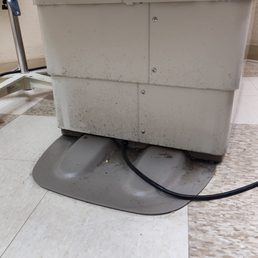
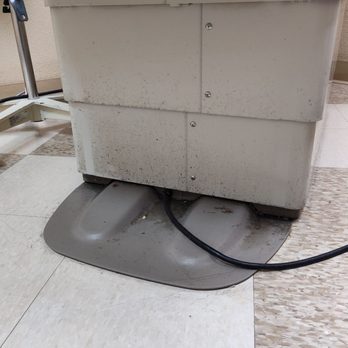
The receptionist in suite 102 is super rude. She talks loudly and I heard her calling either a patient or a coworker a bitch. Then she starts talking about a patient who is having a problem with their prescription refill. This is a medical environment not a highschool classroom. On the other hand, the medical assistants are very nice. The exam room I'm in isn't very clean. The bottom of the exam table is filthy and the room isn't the cleanest. I've been in the exam room for about 45 minutes and still no doctor. I'm about to just walk out. Update: the doctor stood outside the exam room I was in and proceeded to talk to a patient who was to be seen after me for over 15 minutes about Viagra and needing sex. Dr. Rainwater is rude as well. I will not be returning. I'll find another urologist to help me with my kidney stones.


5 months ago
3 months ago
8 months ago

8 months ago
1 year ago
8 months ago

2 years ago
This place saved my life! From the awesome Dr Greg Rainwater to his amazing son to the people who make the place run like clockwork. I would never trust my gizzards to anyone else on earth! read more

2 years ago

3 years ago
2 years ago

2 years ago

3 years ago

4 years ago
3 years ago
The receptionist in suite 102 is super rude. She talks loudly and I heard her calling either a patient or a coworker a bitch. Then she starts talking about a patient who is having a problem with their prescription refill. This is a medical environment not a highschool classroom. On the other hand, the medical assistants are very nice. The exam room I'm in isn't very clean. The bottom of the exam table is filthy and the room isn't the cleanest. I've been in the exam room for about 45 minutes and still no doctor. I'm about to just walk out. Update: the doctor stood outside the exam room I was in and proceeded to talk to a patient who was to be seen after me for over 15 minutes about Viagra and needing sex. Dr. Rainwater is rude as well. I will not be returning. I'll find another urologist to help me with my kidney stones. read more

4 years ago


3 years ago

3 years ago

8 years ago

6 years ago
4 years ago

4 years ago

4 years ago
3 years ago

5 years ago

9 years ago
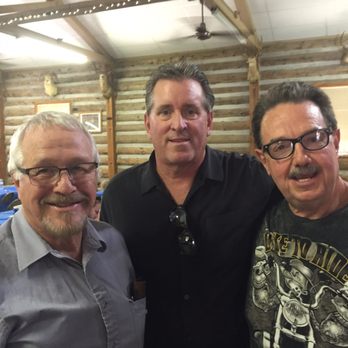
I owe my life to Dr Rainwater. Of course the office is small And very busy, but the staff is top tier, and Dr Rainwater performed surgery on me at the finest hospital Fresno Surgical Hospital, was treated like a VIP, and just know you are in good hands there as the food is 5 stars, and place is Spotless, and the Dr is the best, love his Cowboy boots too! read more

3 years ago
2 years ago

8 years ago

6 years ago

8 years ago
4 years ago

6 years ago

6 years ago
5 years ago

7 years ago
5 years ago

13 years ago
6 years ago

7 years ago

8 years ago
Page 1 of 2
More info about Valley Urology
6113 N Fresno St
Fresno, CA 93710
Directions
(559) 438-2777
Call Now
Visit Website
http://www.valleyurology.com
Hours
Payment methods
Other Amenities
Ask the Community - Valley Urology
Review Highlights - Valley Urology
You might also consider












Why does Yelp recommend reviews?
9 reviews that are not currently recommended
The reviews below are not factored into the business's overall star rating.
6 years ago

11 years ago
11 years ago
10 years ago
3 years ago
7 years ago
2 years ago
10 years ago

15 years ago
