
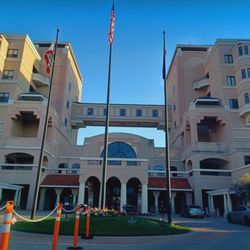
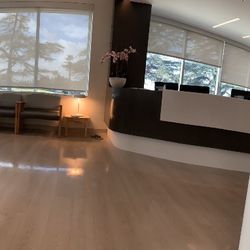
USC Arcadia Hospital Photos


You might also consider


More like USC Arcadia Hospital
Recommended Reviews - USC Arcadia Hospital
Start your review...


Reviews With Photos


I was admitted after going to the ER Sunday morning with hard sharp pain on my right side of my stomach. Well the staff and doctors are awesome made me feel comfortable after getting emergency surgery. Everything went well today being discharge unfortunately the world we live in insurance companies run the shots it was time for me to leave I was hoping to see the urologist but that did not happen. As for the staff RN's CNA's and staff was amazing. No problems with them just good ppl. Now for my long recovery


Hospital seemed very clean Our RN was very patient and kind. (Viviana) Answered all of my questions and was super helpful. Thank you for all of your communication and great service to patients! I know other people do have negative comments about service and staff. We experienced it from my family asking for a cup of coffee from the room. The coffee took about 2 hours and it came decaf when the patient asked for regular. The nurse made it right and gave us some fresh ones from the nurse station within minutes. Besides that, they are fine! Cafeteria opens at 11am and have great selections of snacks, entrees and beverages. They also have healthy choices so that's great!


I have been to USC Acradia Hospital. Once it used to be Methodist Hospital, it looked like a very nice hospital, and everything is modern using high-tech equipment. They have very nice Cafeterias the food is really good. Right now, my father in law is having surgery on his left foot. I know these doctors are best.


Why is the wait time for the emergency room so long? I arrived at 1:40am, left past 1pm!?? This hospital lacks a soul. What has the medical industry become? This waiting room is the scene from the movie Beetlejuice. You pull ticket number 5,000,000 and the next patient is number 3. I would be called for blood works then told to go back to the waiting room and wait. My imaging test was not given past 7am. Apparently no ultrasound tech was on duty until 7am. I absolutely am stun on now horrible the service is here. At a certain point humanity must be placed first before profit.

2 months ago

7 days ago
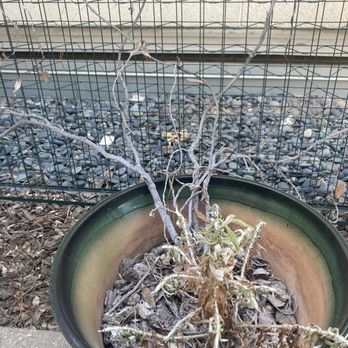
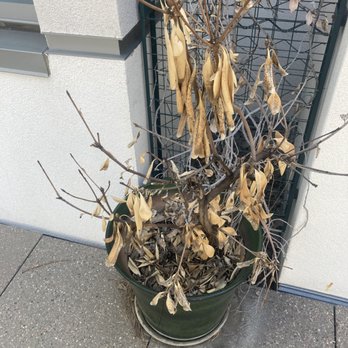
My experience at USC Arcadia Hospital left me profoundly disappointed in its communication, compassion, and accountability during my loved one's final weeks and after her death. When I needed support, I repeatedly encountered insensitivity, rigid enforcement of policy, and assurances that led nowhere. In mid-May, my loved one suffered a catastrophic hemorrhagic stroke. Based on a sales receipt, I estimated that it occurred between 1:30 and 1:50 p.m. She was discovered unconscious around 3:30 p.m. and arrived at the emergency department around 4 p.m. A ventricular drainage procedure described as an emergency was performed around 10 p.m.--approximately six hours after arrival and more than eight hours after the estimated stroke onset. I recognize that neurosurgical decisions can be complex. But why did a procedure described as an emergency take place six hours after she arrived? When was the hemorrhage identified, what did the scans show, and when was drainage deemed necessary? I did not receive a clear explanation of that timeline or the decisions behind it. After the procedure, the neurosurgeon had already left, so I asked the attending registered nurse how it had gone. He told me, "There was blood all over the brain," then adamantly declared that "she's NOT going to make a meaningful recovery." I needed a thoughtful explanation of the procedure's outcome and what it meant for her condition. Instead, I received a graphic description followed by an emphatic, devastating prognosis. Difficult medical realities can be communicated honestly without abandoning sensitivity. During nearly daily ICU visits, I also experienced exceptionally poor bedside manner from a neurosurgeon and a neurologist. Compassion and meaningful communication were too often missing when they mattered most. Care and attitudes improved considerably after her transfer to hospice, and I want to acknowledge that. I set up sleeping pads and a sleeping bag in her room so I could remain beside her for long hours, day and night. Our dog, Cody, complicated those efforts. His severe separation anxiety and reactivity made conventional boarding or pet-sitting impractical. I cared for him myself, sleeping with him in my SUV for part of the night and checking on him regularly during the day. When outdoor parking became exposed to direct sun, I approached staff about temporarily parking in the covered employee structure. Even there, Cody barked when left alone. On the day she died, I tried leaving Cody in an air-conditioned, pet-friendly motel room. Around 1 p.m., the manager called about his incessant barking. I retrieved him, returned to the hospital's shaded employee parking structure, and hurried back to her bedside. Around 3:30 p.m., while checking on Cody, a security officer told me that barking complaints meant I had to remove my vehicle from the structure. I explained that the uncovered lot was unsafe for him in the sun. Most importantly, I explained that my loved one was nearing death and might pass away that afternoon. I desperately wanted to be with her. The officer said he was enforcing hospital policy and that I had to leave. With no workable alternative for keeping Cody safe, I drove home. Approximately two hours later, her mother called: she had passed away. After weeks of almost constant attendance, sleepless nights, and makeshift accommodations, I was absent when she died. I had specifically explained to security that this was precisely what I feared. I understand that barking can disturb others and that hospitals need rules. But where was the discretion, compassion, or effort to find a practical solution during a dying patient's final hours? The following morning, I called hospice about the belongings I had left in her room, including very expensive ultralight backpacking gear: two Therm-a-Rest sleeping pads and an ultralight goose-down sleeping bag. A staff member assured me everything would be gathered, secured, and available for pickup. I relied on that assurance. Subsequent calls led me to security, where calls went unanswered and I left numerous messages. Another hospice staff member appeared unaware of my earlier conversations. Patient Experience said they would investigate, but I had to follow up myself to learn that my possessions had not been located. With their agreement, I emailed an itemized list and replacement-cost documentation. No acknowledgment. No meaningful follow-up. After another call, I eventually received an email stating that hospital policy disclaimed responsibility for belongings left in patient rooms. An explicit assurance that my expensive property would be secured ended with missing belongings and a policy disclaimer. That is not meaningful accountability. I am also adding photographs of the ICU guest patio, where families should be able to find some respite. The plants are dead, dry, and crispy. To me, that visible neglect reflects the lack of care and attention I experienced elsewhere. read more



2 months ago

1 month ago

21 days ago

5 months ago

5 months ago

5 months ago

I was admitted after going to the ER Sunday morning with hard sharp pain on my right side of my stomach. Well the staff and doctors are awesome made me feel comfortable after getting emergency surgery. Everything went well today being discharge unfortunately the world we live in insurance companies run the shots it was time for me to leave I was hoping to see the urologist but that did not happen. As for the staff RN's CNA's and staff was amazing. No problems with them just good ppl. Now for my long recovery read more


Hospital seemed very clean Our RN was very patient and kind. (Viviana) Answered all of my questions and was super helpful. Thank you for all of your communication and great service to patients! I know other people do have negative comments about service and staff. We experienced it from my family asking for a cup of coffee from the room. The coffee took about 2 hours and it came decaf when the patient asked for regular. The nurse made it right and gave us some fresh ones from the nurse station within minutes. Besides that, they are fine! Cafeteria opens at 11am and have great selections of snacks, entrees and beverages. They also have healthy choices so that's great! read more

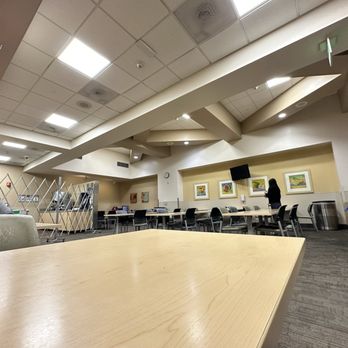
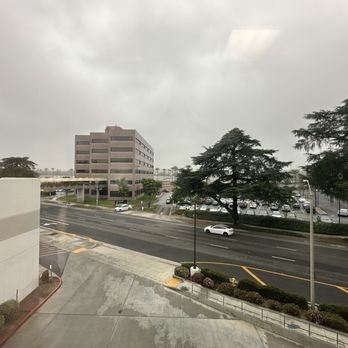
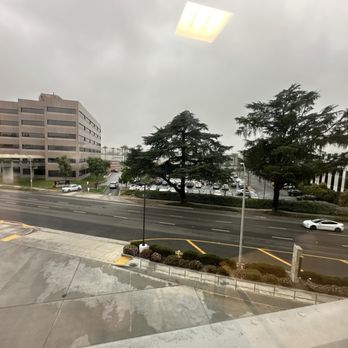


7 months ago

I have been to USC Acradia Hospital. Once it used to be Methodist Hospital, it looked like a very nice hospital, and everything is modern using high-tech equipment. They have very nice Cafeterias the food is really good. Right now, my father in law is having surgery on his left foot. I know these doctors are best. read more


Why is the wait time for the emergency room so long? I arrived at 1:40am, left past 1pm!?? This hospital lacks a soul. What has the medical industry become? This waiting room is the scene from the movie Beetlejuice. You pull ticket number 5,000,000 and the next patient is number 3. I would be called for blood works then told to go back to the waiting room and wait. My imaging test was not given past 7am. Apparently no ultrasound tech was on duty until 7am. I absolutely am stun on now horrible the service is here. At a certain point humanity must be placed first before profit. read more


9 months ago
2 months ago
4 months ago

2 years ago
A new update for this hospital as I had just given birth to my second baby last week. I 100% wholeheartedly believe that this hospital is amazing for their labor & delivery/postpartum departments. I've had to go to ER, but since I was pregnant, I was brought in to L&D and ended up giving birth on the same day. All of the nurses were extremely caring and made sure I felt that they got my back the whole time. I can't even thank them enough. The other doctors that worked collaboratively with my OB were also amazing. The nurses/doctor in NICU were so caring and they constantly gave me updates while making sure to check up on how I was caring for baby when she moved into the postpartum room with me. The postpartum nurses were also really cool. I've had to stay in the hospital for 5 days so I got to chat with the same nurses often and I learned so much. They made sure I knew how to care for myself (and not just my baby). I felt so supported and was encouraged to walk or have movement. They gifted me with so much useful and even fun clothes/book/toys for my child. I'll be forever grateful for this hospital because of the care they provided. If anyone were to ask me which hospital I'd recommend for L&D, it's definitely this one. read more
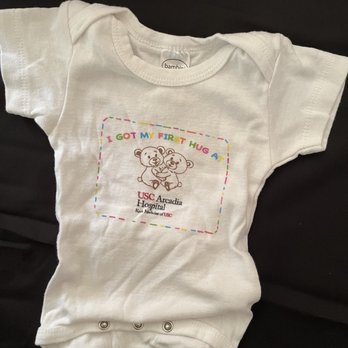
5 months ago

2 years ago
7 months ago

6 months ago

6 months ago

4 months ago

9 months ago

1 year ago
3 months ago
3 months ago
5 months ago


7 months ago
4 months ago
10 months ago

5 months ago

1 year ago
7 months ago

1 year ago
The type and quality of medical care are 5 stars--after all, Keck is a teaching hospital. One needs to consider that emergency room staff see patients at their worst, and much is expected of this front line staff. A few here seem jaded by their day-to-day experiences--never an excuse, it's just reality. I gave it 4 stars because of the unpardonable condition of both bathrooms. Although it's a busy ER, their janitorial staff is severely lacking. Aside from that, I would return because of their quality of care. BTW, Dr. Barnett is very knowledgeable and kind. read more

6 months ago


1 year ago
Page 1 of 5
More info about USC Arcadia Hospital
300 W Huntington Dr
Arcadia, CA 91007
Directions
(626) 898-8000
Call Now
Visit Website
https://www.methodisthospital.org
Hours
Other Amenities
From the Business
USC Arcadia Hospital Reviews in Other Languages
Ask the Community - USC Arcadia Hospital
Review Highlights - USC Arcadia Hospital
You might also consider













Why does Yelp recommend reviews?
15 reviews that are not currently recommended
The reviews below are not factored into the business's overall star rating.


3 years ago
4 years ago

1 year ago
3 years ago

2 years ago
3 years ago
3 years ago
2 years ago
2 months ago

2 years ago
2 years ago

2 years ago

3 years ago
3 years ago


