
Starbucks Photos


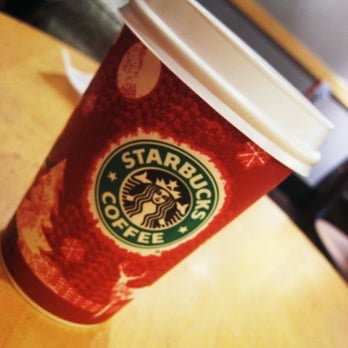

STARBUCKS ATMOSPHERE


Recommended Reviews - Starbucks
Start your review...

Reviews With Photos


I was here exactly a year ago from today during Christmastime! My friend and I stepped in to get out of the cold, being Americans unused to the icy weather who were strolling in the markets and numb from the weather! Now, I typically don't go to Starbucks unless the holiday drinks are out, so keep that in mind... What I liked about this Starbucks was that it was situated near a bridge and across the Camden river from the markets. It was also really charming on the inside (definitely too small though for the massive crowds) and nicely decorated for Christmas. I have to hand it to the employees: despite the massive crowds, they got me my drink at a very good pace! I ordered the gingerbread latte and Starbucks is known for being very consistent with their drinks, so it wasn't particularly different from any other Starbucks gingerbread latte I've had in the past. Good memories here!


I love Starbucks anyway, but this particular outlet has to have one of the best views of any coffee outlet in London. It is in the heart of Camden overlooking the Lock and the markets, the other side of the canal. There is plenty of outside seating, which is great in the summer. There is also a large terrace on the roof, for great views. The inside is quite small and cramped, especially if there are lots of people waiting to be served and to collect their drinks. I would advise anyone to avoid the lunchtime hours as the place is rammed with local workers, plus there are heaps of tourist using this place. I would say you would find it hard to find a better place to people watch, and Camden is a great people watching place.


The girls were extremely rude and mean in this Starbucks. They all claimed they didn't have coffee, which doesn't make sense... it's Starbucks. Everyone was getting Frappachino's because of it. I asked for a iced coffee with milk, they tried to give me espresso shots with milk. The cashiers/baristas will look at you with the most disgusting face. This has to be the worst Starbucks I've ever been to. Have a look at my drink and judge for yourself... the man there kept telling all the girls to maintain quality, which they had none of. Wow.


What makes this Starbucks location special is the lockside location with a rooftop terrace that over looks it. Or the downstairs outside area that gives you the opportunity to people watch until your hearts content. The inside seating area isn't so great being a bit cramped and having a school room feel to it with poor lighting. This is unless you can snag one of the comfy chairs by the windows. Coffee and food are of course the usual Starbucks fare.


8 years ago
Camden's kinda weird place, so why not put 'bucks in a weird building? It was such a cool respite from the humid heat outside that I would highly recommend this place. The heat was heading towards 96, or 36 depending on your unit of temperature measurement, so I welcomed the ice box coolness of this place. Overall It's nothing special, and there are no bathrooms, but the service was good and it has an interesting recycle bin above the trash bin so I will rate it a 4. read more

10 years ago
Out of all the Starbucks in London this has got to be my favourite one. The reason for that is the location and the open terrace. While most places in Camden Lock are usually full, this will usually have space to sit down either inside if it's cold or upstairs outside, which is what I like doing. A cold coffee on a hot sunny day sitting out in the sunshine with a view of the canal and all the people flocking the area is the best. Even the inside is cool, with a wall to wall stylised map of Regents Canal and all the areas it passes through. And I have to say I do love that canal. The only downside is that there usually is a big queue to get served, so they could easily do with getting some extra staff to serve customers faster. All in all, this is a great Starbucks to visit, especially in spring and summer, so go have a caramel frappuccino or macchiato and a blueberry muffin because they are the best! read more


16 years ago
I was here exactly a year ago from today during Christmastime! My friend and I stepped in to get out of the cold, being Americans unused to the icy weather who were strolling in the markets and numb from the weather! Now, I typically don't go to Starbucks unless the holiday drinks are out, so keep that in mind... What I liked about this Starbucks was that it was situated near a bridge and across the Camden river from the markets. It was also really charming on the inside (definitely too small though for the massive crowds) and nicely decorated for Christmas. I have to hand it to the employees: despite the massive crowds, they got me my drink at a very good pace! I ordered the gingerbread latte and Starbucks is known for being very consistent with their drinks, so it wasn't particularly different from any other Starbucks gingerbread latte I've had in the past. Good memories here! read more


I love Starbucks anyway, but this particular outlet has to have one of the best views of any coffee outlet in London. It is in the heart of Camden overlooking the Lock and the markets, the other side of the canal. There is plenty of outside seating, which is great in the summer. There is also a large terrace on the roof, for great views. The inside is quite small and cramped, especially if there are lots of people waiting to be served and to collect their drinks. I would advise anyone to avoid the lunchtime hours as the place is rammed with local workers, plus there are heaps of tourist using this place. I would say you would find it hard to find a better place to people watch, and Camden is a great people watching place. read more


7 years ago
The girls were extremely rude and mean in this Starbucks. They all claimed they didn't have coffee, which doesn't make sense... it's Starbucks. Everyone was getting Frappachino's because of it. I asked for a iced coffee with milk, they tried to give me espresso shots with milk. The cashiers/baristas will look at you with the most disgusting face. This has to be the worst Starbucks I've ever been to. Have a look at my drink and judge for yourself... the man there kept telling all the girls to maintain quality, which they had none of. Wow. read more


17 years ago
What makes this Starbucks location special is the lockside location with a rooftop terrace that over looks it. Or the downstairs outside area that gives you the opportunity to people watch until your hearts content. The inside seating area isn't so great being a bit cramped and having a school room feel to it with poor lighting. This is unless you can snag one of the comfy chairs by the windows. Coffee and food are of course the usual Starbucks fare. read more


18 years ago

19 years ago
Great place to have coffee, especially with the camden canals next to it. Tends to get crowded but waits are not that long. If you're lucky, might even win a bag of starbucks coffee beans, like I did! read more


19 years ago

18 years ago

10 years ago

18 years ago

19 years ago

11 years ago
More info about Starbucks
Starbucks Reviews in Other Languages
Review Highlights - Starbucks


















Why does Yelp recommend reviews?
2 reviews that are not currently recommended
The reviews below are not factored into the business's overall star rating.
15 years ago

16 years ago


