St Quentin's Castle Photos


Recommended Reviews - St Quentin's Castle
Start your review...



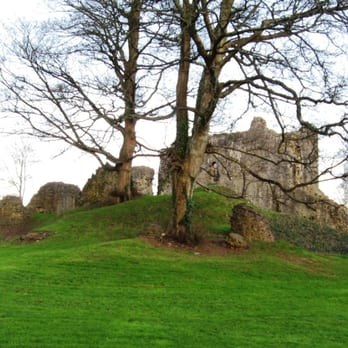
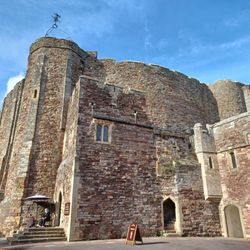
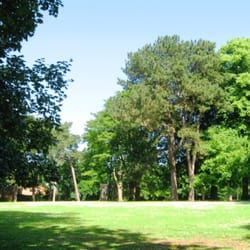
The Vale of Glamorgan has one of the highest densities of castles anywhere in the world - St Quentin's Castle is one of four within just 2 miles of the market town of Cowbridge, situated on a bluff above the river Thaw, in the nearby village of Llanblethian. History The Lordship of Llanblethian was awarded to Herbert de St Quentin in 1102. He probably built the first castle with a timber palisade, with a small stone keep with 1.2m thick walls, added later. The remains of this keep - now more a grassy knoll - are behind the gatehouse. The castle was seized from St Quentin's descendants in 1233 by one Richard Siward, who in turn lost it to Richard de Clare in 1245. His grandson, Earl Gilbert de Clare, started building more impressive fortifications around 1307, with a fine gatehouse and curtain wall. However, it is possible the castle was never completed, as de Clare was killed at Bannockburn in 1314. The castle was in limited occupation until the 17th century, at one stage being used as a prison. The site What you see today is mainly the gatehouse, which once had two portcullises: as well as the impressive Gothic-arched doorways, there are crossed-shaped arrow holes. At ground floor are two vaulted rooms, one either side of the entrance, and you can climb a set of stairs to see the scant remains at first floor level of what must have been quite impressive main rooms. The curtain wall can be traced around the site, as well as a smaller octagonal tower on the south east corner. The bailey is now a grassy park, planted with trees, with good views over the river Thaw, Cowbridge and the village of Llanblethian. It's a pleasant spot, and access if free. The remains have recently been restored and made safe by Cadw, the Welsh historic monuments agency. Practicalities The site is clearly signed from the entrance to Cowbridge from the A48, and there is parking for a few cars at the entrance, though be careful - there's a steep drop (and no fence) if you overshoot! Facilities are very basic: there is a small interpretation panel at the car park, and a few panels in the gatehouse itself. There are no footpaths around the sloping and uneven site, so wheelchair access is limited, and a rather stern notice at the entrance proclaims 'No dogs' in English and Welsh. read more




17 years ago
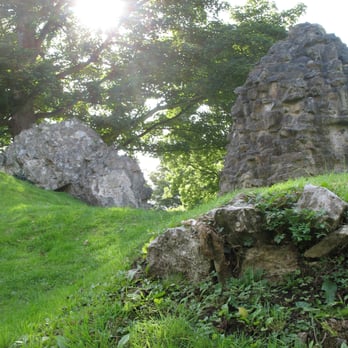
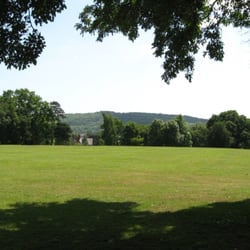
St Quentin's (or St Quintin's) Castle, what a hidden gem! Could be your own almost private, beautiful park, 3D humpy with steep earth mounds, lush grass, huge dominant trees, bounded and landscaped by ancient rocky stonework, not to mention the imposing structure of the gatehouse to keep your eyes moving around in their sockets. A fantastic location, a little difficult to find, high up and along little lanes wriggling out of the bustling town of Cowbridge (in Llanblethian), guarding the lush winding valley of the River Thaw. You wouldn't know the Castle was there unless actualy looking for it (which of course you can now!). On a summer's day, an ideal place to break out the picnic lunch basket and then gently stroll down to the river to walk off the indulgences; a footpath wends its way round the base of the Castle grounds in the fields by the river. Probably really spooky late evening or in the dark, for all those with more gothic leanings - bats, weird shapes, steep slopes and huge swaying trees - oooooohhh! just the thought of it too scary. The Castle itself is mostly derelict now, but the large gate house remains mostly intact and the whole thing has been adopted by CADW to ensure its future. Not enough there for a whole day out, but definitely great for a tranquil stop off after spending your pounds in the trendy little shops in Cowbridge. Hope this is helpful. read more




16 years ago
More info about St Quentin's Castle











Why does Yelp recommend reviews?
1 review that is not currently recommended
The reviews below are not factored into the business's overall star rating.
16 years ago


