St. Botolph Without Bishopsgate Photos



Recommended Reviews - St. Botolph Without Bishopsgate
Start your review...



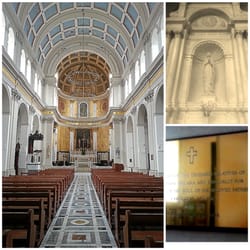
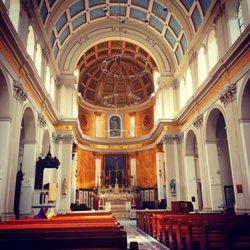
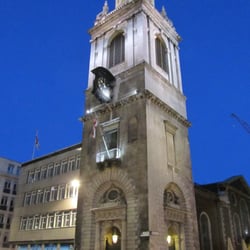
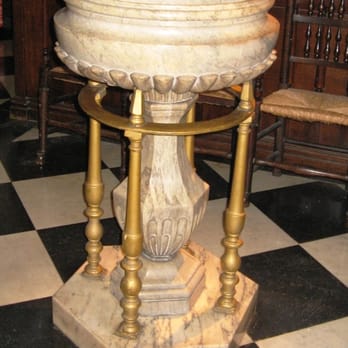
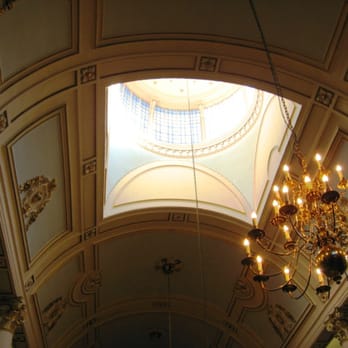
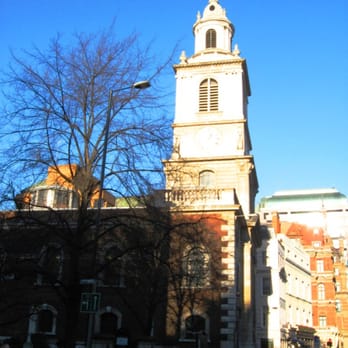
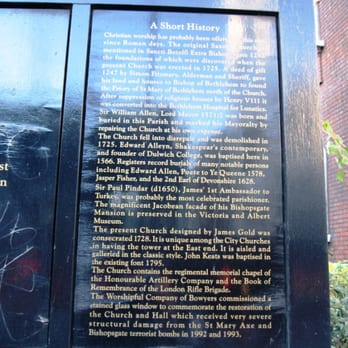
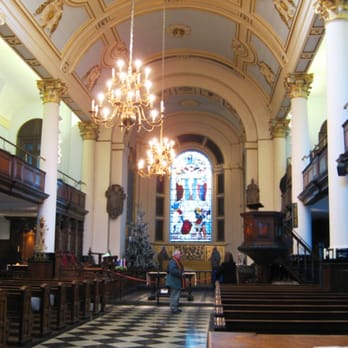
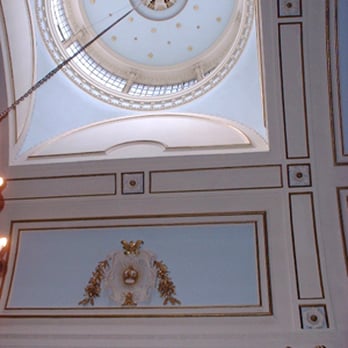
St Botolph without Bishopsgate is a familiar landmark to those using Liverpool Street Station, (it's just two minutes' walk away) and one of several churches dedicated to this East Anglian Saint in London (see Moonrising's review for more about him). History The foundations of the original Saxon church were uncovered when the present building was erected, which was referred to in 1212 as 'Sancti Botolfi Extra Bishopesgate' - remarkably similar to the modern name. In 1247 the priory of St Mary of Bethlehem was founded just north of the church, the buildings of which became the Bethlehem Hospital for Lunatics after the reformation. Although the church survived the Great Fire in 1666, it had become ruinous by the early 18th century and the present church was built in 1725-9 to the designs of James Gould (or Gold), under the supervision of his son-in-law, the well-known architect George Dance the Elder (1695-1768). It was altered by Michael Meredith in 1821 to include a dome over the centre of the nave, to provide more light, with restorations after World War II and the IRA bomb in 1993. Famous parishioners included: the actor and contemporary of Shakespeare, Edward Alleyn (who also founded Dulwich College); and the poet John Keats, who was baptised in the present font; and Sir Paul Pindar (d 1650), James I's Ambassador to Turkey, the façade of whose Bishopsgate house is preserved in the Victoria and Albert Museum. The church The building is Classical in style, of red brick with stone detailing, mostly on the quoins and around the windows. The handsome Baroque tower is, unusually, at the East End on Bishopsgate, and is easily its best external feature: it sits above a pediment with Doric pilasters, which frames the East window, and then rises in stages to a small cupola, topped off by an urn. Inside, the nave consists of a barrel vault on tall Corinthian columns, with a short chancel, with galleries above both aisles. The centre of the vault is pierced mid-way by Meredith's dome of 1821, which has a fully glazed drum, providing a welcome pool of light in its centre (it must have been very dingy before). The decorative scheme in whites, pale blues, highlighted with subtle gilding, is restrained but pleasing on the eye, and doubtless benefits from the restoration after the IRA Bishopsgate bomb in 1993. There are relatively few monuments of special historical interest, except the font in which Keats was baptised in 1795, although some of the more modern furnishings are attractive. The church has an impressive peal of 8 bells, all dating from 1782. Other information The church is open for visitors and private prayer during the week, with services on Wednesdays (12.10h) and Thursdays (13.10h) although unusually does not host a Sunday service: this is held in its sister church, St Vedast's. St Botolph's is a Ward church (ie linked particularly with the political and local life of the area), the regimental church of the Honourable Artillery Company and is also linked to a number of City of London livery companies. Finally, take a look at the church's excellent website: there's even a recorded welcome message from the youthful Rector! read more


18 years ago
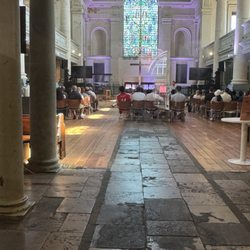
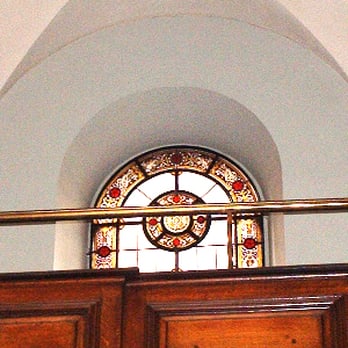
St Botolph was an East Anglian saint. Botolph established a monastery at 'Icanhoh', the location of which is a subject of debate. He was said to have cleared the swamps of their devils: probably draining the marshes and eliminating the lights that come from marsh gas. After a long life his body was divided into 3 and the relics taken on a journey through various towns. It may be because of this that he became associated with wayfarers and travellers. Eventually the relics were brought to London through the four City gates, Aldersgate, Bishopsgate, Aldgate and Billingsgate, and churches at each named after him. I'm not sure how 3 relics were brought through 4 gates, but as it happens only 3 churches now remain, the one at Billingsgate being destroyed in the Great Fire and never rebuilt. About 70 churches are named after him countrywide. There has been a church on this site since Roman times. The present church, the fourth on the site, was completed in 1729. The church survived World War II with only one window damaged, but it was devastated by the IRA Bishopsgate bomb in 1993, which blew off part of the roof and blew out all the doors and windows. It took 3 and a half years to restore the church. The front entrance of this St Botolph opens right onto busy Bishopsgate. It's quite a contrast to come into the quiet of this church. It's peaceful and very well kept. I noticed the smell of polish from the wooden pews. A modern stained glass window added to commemorate the latest restoration, the Bowyers' Window, is rather fabulous. I also liked the unusual stain glass borders on upper windows. There's lots more to look at. The grounds are nothing special really. But in the middle of the city any green space is a valuable oasis. They do also contain netball and tennis courts which are bookable for those feeling more energetic. Very informative leaflets on the church and about the Bowyers Window are available inside. read more




15 years ago