Addressing the Issue of Slow Fuel Pumps: A Comprehensive Review
Introduction:
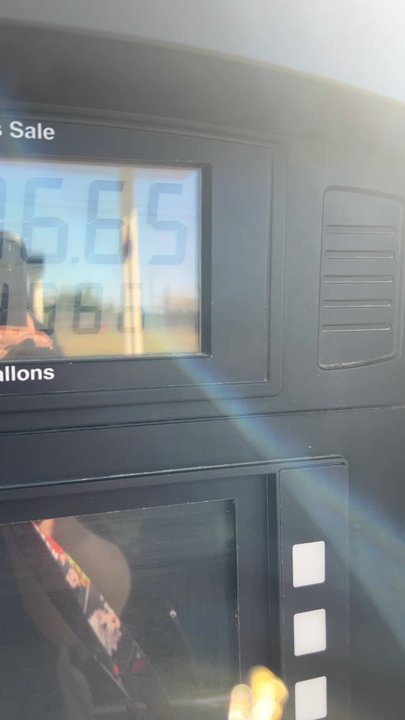
In today's fast-paced world, efficiency and speed are paramount, particularly when it comes to essential services such as refueling vehicles. However, recent experiences have highlighted a concerning issue - slow fuel pumps. In this comprehensive review, we delve into the nuances surrounding this phenomenon, while also acknowledging the commendable aspects of the store itself and its employees.
Slow Fuel Pumps: A Cause for Concern:
The cornerstone of any fuel station's operations lies in its ability to swiftly and efficiently dispense fuel to customers. Unfortunately, the emergence of sluggish fuel pumps undermines this fundamental expectation, leading to frustration and inconvenience for patrons. The ramifications of such delays extend beyond mere inconvenience, impacting productivity, scheduling, and overall customer satisfaction.
Identifying Root Causes:
To effectively address the issue of slow fuel pumps, it is imperative to delve into the underlying factors contributing to this phenomenon. Potential causes may include technical malfunctions, inadequate maintenance protocols, or inefficiencies in fuel delivery systems. Furthermore, fluctuations in demand and operational constraints can exacerbate the problem, necessitating a multifaceted approach to resolution.
Impact on Customer Experience:
The repercussions of slow fuel pumps extend far beyond the realm of operational inefficiency, significantly influencing the overall customer experience. Prolonged wait times not only test the patience of patrons but also diminish their perception of the service provider. Moreover, in an era characterized by rapid digitalization and instant gratification, any impediment to expeditious service delivery can tarnish the reputation of the establishment and deter repeat business.
Acknowledging Excellence:
Amidst the challenges posed by slow fuel pumps, it is essential to commend the commendable aspects of the store and its employees. Despite the prevailing issue, the professionalism and dedication exhibited by staff members remain unwavering. Their commitment to customer service and willingness to address concerns reflect positively on the establishment, serving as a beacon of excellence amidst adversity.
Conclusion:
In conclusion, the prevalence of slow fuel pumps poses a significant challenge to both fuel station operators and customers alike. By acknowledging the root causes of this issue and implementing targeted strategies for improvement, stakeholders can work collaboratively towards enhancing the efficiency and reliability of fuel dispensing services. Furthermore, it is imperative to recognize and appreciate the commendable efforts of store employees, whose unwavering dedication contributes to mitigating the impact of operational challenges. Through proactive measures and a commitment to excellence, the industry can navigate through these challenges and emerge stronger than ever before. read more