AGAIN It is not in Leicester Sq it is in Leicester and I put it on the map plus the postcode!!!…read more
Leicester has a wealth of museums all worth visiting.
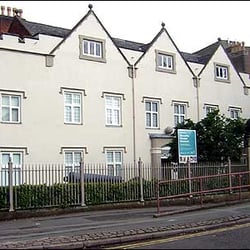
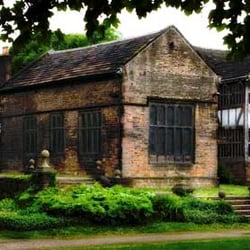
Newarke Houses Museum, is composed of two historic houses, Wygston's Chantry House and Skeffington House, and tells the story of 20th century Leicester and the history of the Royal Leicestershire Regiment. 'The Tigers'.
Regimental life through the eyes of ordinary soldiers and
of the people at home and explores how they were affected by war. Discover a recreation of a First World War trench, complete with sounds and smells, highlighting the stoicism and bravery of those involved. The objects on display span the 1600s to 1960s and include 'tools for the job', letters home, 'bounty',uniforms, weapons, souvenirs, letters, campaign stories and personal recollections.
William Wygston, Leicester's richest citizen, built Wygston's Chantry House around 1511. It became an urban gentry house after chantries were abolished in 1547 and is the only Elizabethan urban gentry house that survives in Leicestershire.
Skeffington House is likely to have been built around 1583 by Sir Thomas Skeffington. Originally a one room deep stone building, it has been altered and made bigger over the centuries.
Many different people have used, lived in, changed and extended these buildings over the centuries without doubt, they have a fascinating story to tell. Have a look and see how these two houses, built in different times, now fit together as one building
The new displays include room settings from the 1950s and 70s, a cinema experience, a collection of toys from Tudor to present day and a play area for children to try various games. Two dedicated community galleries tell the story of 'Moving Here' and settling in Leicester.
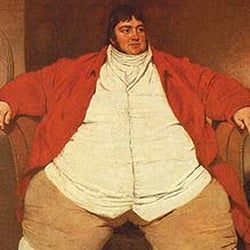
There is also a new gallery for Leicester's famous son Daniel Lambert.
Born in Leicester in 1770, Daniel Lambert worked as the gaoler in the Bridewell prison and was a much-admired national character. Gaining a reputation as a kind and humane man, he became a celebrity due to his remarkable size of 52 stone 11 pounds (more than four average sized men).
Discover Daniel's clothes, furniture and personal items.
Some highlights are:
Street Scene
Based on the Wharf Street area of Leicester in the 1940s where it was said you could buy 'everything from a pin to an elephant'. Open seven days a week offering credit or 'tick', and serving as a local meeting place, these shops were central to the lives of people who often struggled to get by on low incomes.
a 1950s street scene that includes the Jolly Angler public house, a grocer and a pawnbroker, with sounds and conversations from the times.
The story of Leicester at War is told, including what happened on the home front and the history of the Regiment through personal stories, including a recreation of a First World War trench with sound and lighting. Also discover the history of Newarke Houses and the surrounding area. A variety of different techniques tell these stories, including oral histories, archive film, computer interactives and newly acquired objects.
The Panelled Room: An Evening in 1645
Built in 1583, the Panelled Room is in the oldest part of Skeffington House. It is laid out using historic furniture and shows how it might have looked in 1645 during the 'Siege of Leicester' in the English Civil War.
Ghosts:
The figure of a man dressed in an Elizabethan style costume has been seen at Newarke Houses. The figure appeared out of the wooden panelling in the Gimson Room and disappeared through an adjacent wall. A mysterious shadow, with a distinct human form, has also been seen in the area.
On more than one occasion, staff have moved to one side to let a figure through only to realise that no one was there. A figure in a long, dark cloak has also been seen at the top of the main staircase walking towards the window. Once, when repairs were being made in the building, a postcard holder rotated on its own, throwing all of the cards out on the floor.
Although the figure is mainly seen in the area of the Chantry House, its identity remains a mystery.
Gardens:
The area around Newarke Houses was built as a religious precinct by the Earl of Lancaster and Leicester.
It was called 'New Work' (hence Newarke) todistinguish it from the older buildings of the Castle and St Mary de Castro Church. The area has a rich and interesting history, intertwined with visits by legendary names such as Geoffrey Chaucer and Richard III. It was in this area during 1645 that the Parliamentarians fought the Royalists during the 'Siege of Leicester'. The holes in the north garden wall were gun loops where muskets were positioned. You can discover more of the history of the area at
the museum.
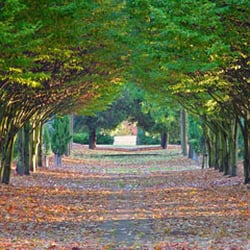
The picturesque museum gardens are laid out to show the development of small English gardens through the introduction of new plants over the last
thousand years.
Allow plenty of time to look round.