
Partners and Paws Veterinary Services
Services - Partners and Paws Veterinary Services
Pet physical or wellness exam
Pet vaccinations
Partners and Paws Veterinary Services Photos


You might also consider


More like Partners and Paws Veterinary Services
Recommended Reviews - Partners and Paws Veterinary Services
Start your review...



2 months ago
I have been taking my dogs to Partners & Paws since they opened 10 years ago. Dr. Brandes and Dr. Newman are 100% outstanding and professional, kind and compassionate and very thorough. The staff goes above and beyond. Very fair pricing. My dogs never fear going there as everyone is so accommodating. Highly recommend this veterinary clinic. read more
3 months ago
6 months ago
1 year ago
1 year ago
1 year ago

2 years ago
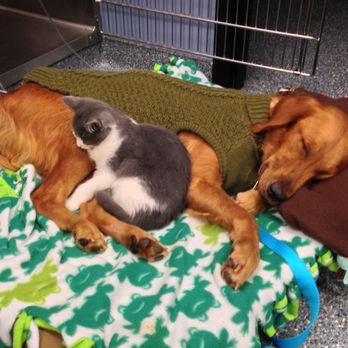
Partners and Paws Veterinary Services goes above and beyond in helping our foster dogs. We are so grateful for their help in saving dogs like Onxy, who had severe pneumonia. The vets and staff are rockstars. Paws up! read more
2 years ago
4 years ago
Business owner information

Alexis N.
I am sorry that you feel less than satisfied about the level of…
4 years ago
Business owner information
Alexis N.
I am sorry that you feel less than satisfied about the level of…

5 years ago
Business owner information
Alexis N.
We are sorry you were disappointed that we could not provide a…

6 years ago

5 years ago

7 years ago

9 years ago
7 years ago

8 years ago
5 years ago
6 years ago
5 years ago
6 years ago


7 years ago

10 years ago

11 years ago
6 years ago

5 years ago
9 years ago

10 years ago
This place is wonderful! You feel welcomed the moment you walk in. I have 4 dogs and I cant tell you how great it is to finally have a veterinarian you love and trust, Dr. Brandes is amazing and truly cares about your pet. Most places try talking you into pet plans, un necessary shots/procedures and everything is about $. Here your pets wellbeing is #1! I cant say in words how great this place really is. They are the best of the best! read more




9 years ago

9 years ago

10 years ago

10 years ago

10 years ago
8 years ago
9 years ago

10 years ago

10 years ago
Page 1 of 2
More info about Partners and Paws Veterinary Services
Ask the Community - Partners and Paws Veterinary Services
Review Highlights - Partners and Paws Veterinary Services
You might also consider








Why does Yelp recommend reviews?
3 reviews that are not currently recommended
The reviews below are not factored into the business's overall star rating.
9 years ago
7 years ago


