ODEON Photos


Recommended Reviews - ODEON
Start your review...




1 month ago

16 years ago
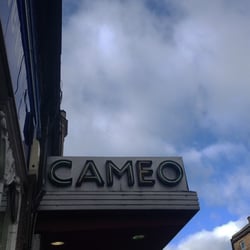
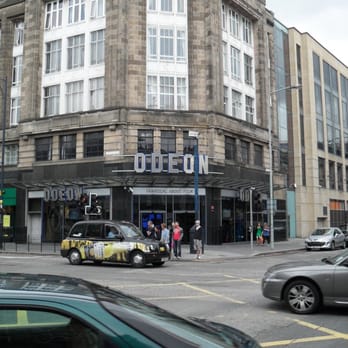
So the other day I decided to make a trip to the cinema with some friends. Due to the queue, and the fact I'm nice like that, I went ahead and bought all three tickets. "The film is in 3D and you will need the glasses" they man behind the counter said to me, "sure, no problem I said". £30 it cost me! £30! That IS a problem! You would hope the one upside to seeing a film at a cinema lacking all character and atmosphere run by a faceless corporation would be the cheaper prices. I could have seen the same film for far cheaper in the independent cameo up the road. Needless to say the actual cinema is pretty much like every other Odeon. I don't really mind it, you get to go underground which is quite cool. The staff are really friendly. Both the young girl who serves food and particularly the older woman who checks the tickets, are really chatty. Beyond that expect the same experience as anywhere else. It's lucky that its the film that really makes the cinematic experience. If the prices go up anymore, spend wisely and buy your own cinema. read more

10 years ago


16 years ago

11 years ago


12 years ago


16 years ago
The Odeon at Tollcross is one of the smaller cinemas in town, but without the charm of the smaller independent cinemas such as the Cameo. The good news is that like the bigger cinemas they also do Orange Wednesday here, so on a Wednesday you can halve the cost of a ticket just so long as you bring a friend along with you and take advantage of the Orange 2 for 1 deal. The main benefit of this cinema is its convenience to those in the area. The Omnicentre offers a far larger range of films and Cineworld is far cheaper so if you are able to get to the others as easily then they might be the preference. That said, I personally go most regularly to this cinema - I don't want to walk all the way to Cineworld and the Omnicentre is too far away. This is the benefit of this cinema and that is the fact that it becomes cheaper than elsewhere once you factor in getting the bus elsewhere; unfortunately this benefit only hold for locals, but being near the centre you might pass this cinema more often than you might think. Last film is usually at 9pm and first can vary sometime being as late as midday so look it up in advance for times. read more


9 years ago
More info about ODEON
118 Lothian Road
Edinburgh EH3 9BG
United Kingdom
West End
Directions
0871 224 4007
Call Now
Visit Website
http://www.odeon.co.uk
Hours
Food & Alcohol
Other Amenities