
Napa Collection Photos


More like Napa Collection
Recommended Reviews - Napa Collection
Start your review...

Reviews With Photos


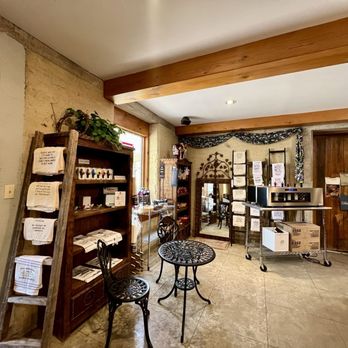
Second time coming here - 4 years after our first time - and it's still a great stop for wine in Texas Hill Country. We arrived as a group of 5 on Christmas Eve, and even though they were closing early that day, we were welcomed warmly by the staff and never felt rushed. We all did a tasting of their dry wines ($20) which included 6 tastes (plus an extra sample at the end of their mulled wine), all of which I enjoyed! Many of us liked the Cab Franc, and the Duo Bianco is always a pleaser. There were also sweet dogs there to hang out with. At the end of our visit, I bought a cute Texas-shaped winery ornament to remember the great times I've had at this vineyard!
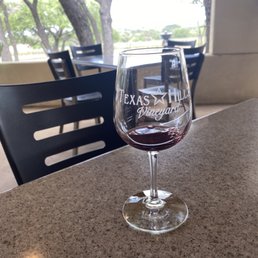

Oh my God! I can say enough things about this place. I've been a member of their winery for a few years and the wine is fantastic. If you go and and do the wine tasting is super fun and the people there are extremely knowledgeable and nice. The place itself is gorgeous and peaceful. They have events quite often so go and check it out!


This was my favorite winery out of the 3 wineries I visited with Texas Winos. The owner and staff were friendly and welcoming and I loved all the different wines we tasted! Both their sweet and dry wines were fantastic. They have two of friendliest dogs that also wander the property, I believe Jasmin is the German Shepard and there is also a chocolate lab too. Would definitely come back here again.


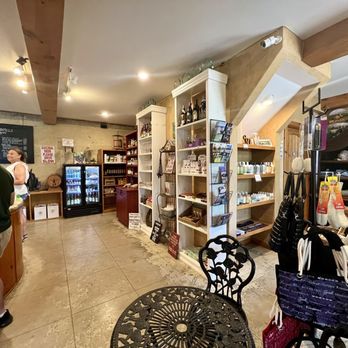
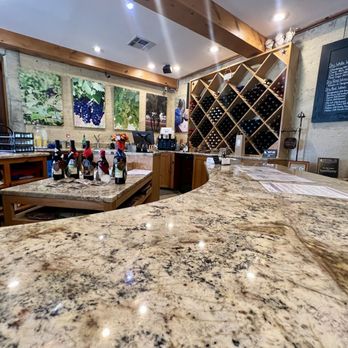
We went there to celebrate my friend's 50th bday. Luckily her bday was during their annual grape stomp celebration, which is done to honor the harvest season. This is done during the month of August. She experienced the grape stomping and got a t-shirt. And we also had our feet in it! T-shirts are also available for purchase at this event. Since the day it was all about her, I can tell you that she had a blast. And so did we! We were treated like royalties and we were not in a castle. They have a tasting room, a small gift shop, indoor and outdoor sitting. Wine club is also available. Check their website for future events, and keep in touch to see what's going on. They can also ship wine. Isn't that amazing! https://www.texashillsvineyard.com/


We came in on our makeshift wine tours of Fredericksburg- The grounds at this winery are beautiful! We sat outside and sampled some of their options. They had 3 options- dry, sweet, and ports. Mary, who was working that day, gave us a run down on their wines and was overall the sweetest lady! If you are looking to spend time outdoors with friends or family, this is a great location!
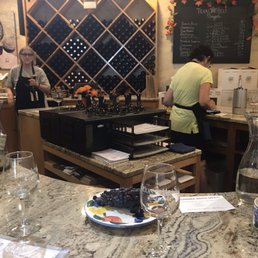

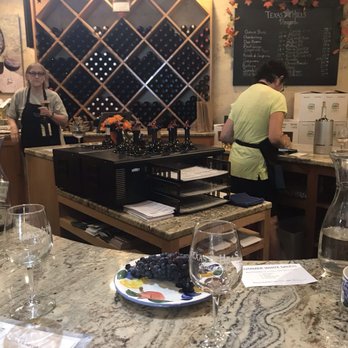
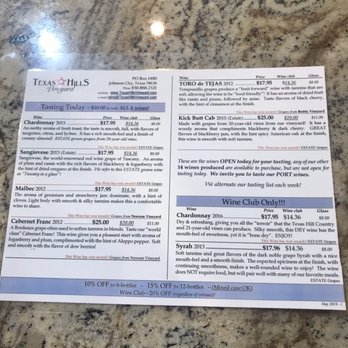
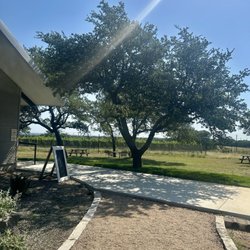
I went with my girlfriends for a wine tasting weekend and we stopped here to take a look. The wine tasting room can get a little crowded, but they do have outside seating if you plan to have a glass or a bottle. The tastings are fairly priced. The reds are $6 for $10 and the whites are 3 for $5. I had the reds since the whites were all considered sweet. My favorite red was the Sangiovese. They sell the usual wine store items inside their tasting room. The day we were there, they had someone sampling their balsamic vinegar and oils. For those wanting to take a bottle outside, they will place it in a chiller for you. You can purchase cheese and crackers from them, but they also let you bring your own food. They did have a food truck the day I went. The property is beautiful and it has big trees that provide good shade. They also have a covered patio.


3 for the wine but it's for the wine only. The staff working there were so standoffish it makes you want to leave. We came here while visiting wine country and when we walked in it was complete silence. No welcome, nothing. I walked up to the counter where a lady was standing and still nothing. I had to say hello this is my first time here can you please explain how it works. She then proceeded to talk. My friend and I did the wine tasting and toward the end she eventually loosened up. It was like pulling teeth. I would not recommend if your looking for a fun interactive atmosphere. The wine was good but man the staff was not.


A great little winery that is definitely worth a visit if you're exploring wineries in the Texas Hill Country! Friendly and knowledgeable staff in the cozy tasting room who could share not only about Texas Hill Vineyard wines but also about local terroir for grape growing and wine making in Texas overall. The added bonus was these were good wines, putting them in the context of the challenges of Texas wine making, offered at reasonable prices. This is a family owned business and the pride in ownership shines in the quality in the bottles. Yes, y'all. They do make wine in Texas. More than 40 wineries in the state. We were surprised too. Which is not to say that Texas wines are yet on a par with those produced by wineries in California or Oregon or Washington or British Columbia or New York. But some of the Texas winemakers are succeeding in creating nicely drinkable wines from Texas grown grapes. Texas Hills winery is one of them. Reds include but are not limited to Syrah, Cabernet Franc, Cabernet Sauvignon and Merlot. Among whites you'll find included Rouseanne, Chardonnay and an Italian styled Pinot Grigio. Some of their wines are from estate grown grapes and all are from Texas grown grapes. (See "Note" at end of review for why this is important.) TASTING ROOM: First with a shout out to Texas Hills for having a tasting room that is completely, universally accessible from parking lot and through the door. Whether you're walking on two feet, or using crutches or pushing a stroller or using a wheelchair, it works here for equal access. Once inside, the tasting protocol in the cozy tasting room is $5 for five pours. And more in the 'good for them' mode, the fee is refunded with purchase. We tasted reds and whites and found the reds here to among the best of any Texas red wines we tried during our nearly three weeks in the state. Like any new wine region, whites seem to be easier to produce in good form than reds, but some reds here were pretty darned good. (As in one that is Tempernillo grape but labeled under a different name as we recall.) The bottles we walked away with included Rubino Port, which is grape alcohol fortified and lighter drinking than traditional Port, and also the Orange Muscato which we thought was very yummy good. BEAUTIFUL SETTING - GOOD PLACE TO "SIT A SPELL": The tasting room has a nice deck outside with lovely outlook. I don't know of TABC (Texas alcohol control) lets Texas Hills sell wine by the glass or not, but if so this would be a good place to buy a glass and enjoy a picnic lunch on the deck. And if not, bring a soft beverage and settle in for a picnic. Either way, pretty place with welcoming staff. TIPS: 1) A bit off the visitor beaten path of some of the other wineries on the so called Texas "wine trail", this winery is conveniently located in Johnson City, not far from the National Parks Historic Site for the Lyndon B. Johnson Childhood Home site. That site is very much worth a visit too, so if you go there you can visit Texas Hills winery too. http://www.nps.gov/lyjo/planyourvisit/boyhoodhome.htm 2) Another of those two wineries mentioned above as worth the visit is Duchman Winery in Driftwood, which is not far from Johnson City. If you're looking for eats in Driftwood after wine tasting at Texas Hills and Duchman, you'll find Trattoria Lisina next door for Italian food or The Salt Lick nearby for barbecue. NOTE: Beware of some other higher volume Texas winery endeavors which bring in a good amount of their juice from California and then ferment it into wine in Texas. First of all, will all who think California is sending Texas their best juice please raise your hands? Because there is "a bridge in Brooklyn for sale..." As the saying goes. Second of all, wine making is at the heart an agricultural - farming endeavor with the terroir, the character of the land, coming through the grape. If you want to drink California grown wine product, you'll get a better one in that state than any of the California wines bottled in Texas labels here. Texas wines labeled "not for sale outside Texas" are the ones that start with out of state grown grapes; so now you know how to tell which ones not to buy at other wineries.
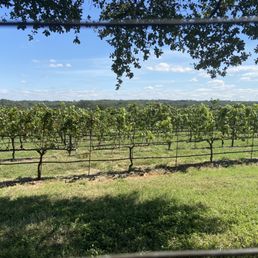

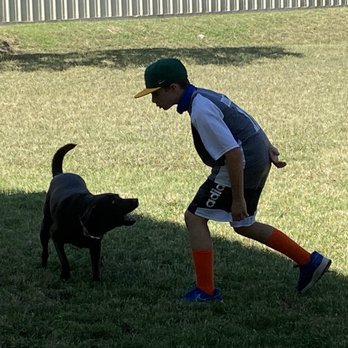
Really enjoyed the tasting! Went home with a bottle of Kick Butt Cab but all the wines were good. Super welcoming staff and kid friendly vineyard. Sweet lab Lily entertained my kids. Would definitely return!


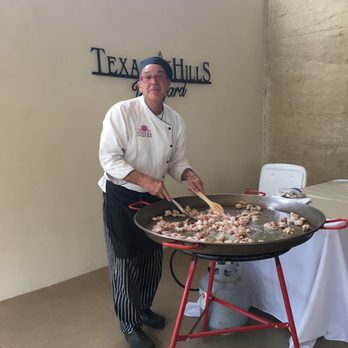
This a true Gem in the Hill Country with amazing wine and the owners and staff are truly great people. The Paella Dinner with wine pairings was amazing. The Paella was better than what we had in Spain. Can't wait to got to another event an help with the grape picking in the summer!



9 months ago
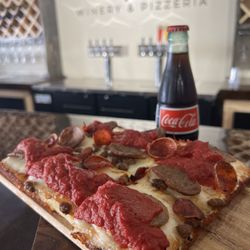
I had no idea this existed in Johnson City!! Such a beautiful vineyard with a great speakeasy they just added. It adds a nice layer to the normal vineyard, especially since they have later hours. The flatbread pizza was great. The sommelier was so knowledgeable and helpful. And the best Texas wines I've ever had! read more


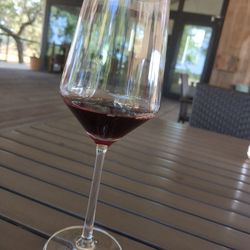
This place is definitely a great place to enjoy a glass of red wine. It is nestled between grown luscious trees of the Hill Country. It naturally invites you to sip your glass of wine in their outdoor covered patio as you enjoy a hint of nature. The facility is also equipped with a small indoor wine tasting facility with souvenirs shop. The gentleman behind the counter provides us with friendly hospitality. The only thing missing here was our picnic basket filled with snacks. read more





3 years ago
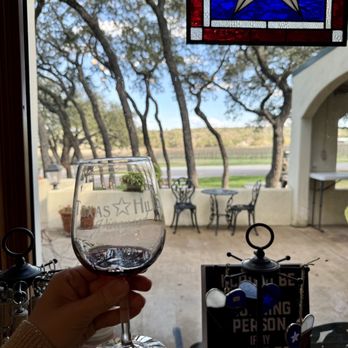
Second time coming here - 4 years after our first time - and it's still a great stop for wine in Texas Hill Country. We arrived as a group of 5 on Christmas Eve, and even though they were closing early that day, we were welcomed warmly by the staff and never felt rushed. We all did a tasting of their dry wines ($20) which included 6 tastes (plus an extra sample at the end of their mulled wine), all of which I enjoyed! Many of us liked the Cab Franc, and the Duo Bianco is always a pleaser. There were also sweet dogs there to hang out with. At the end of our visit, I bought a cute Texas-shaped winery ornament to remember the great times I've had at this vineyard! read more




4 years ago
Oh my God! I can say enough things about this place. I've been a member of their winery for a few years and the wine is fantastic. If you go and and do the wine tasting is super fun and the people there are extremely knowledgeable and nice. The place itself is gorgeous and peaceful. They have events quite often so go and check it out! read more
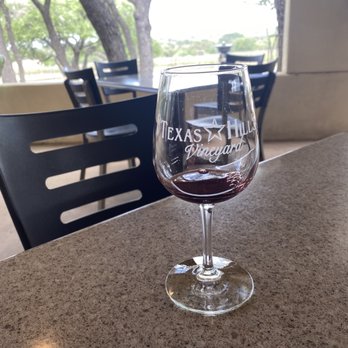


This was my favorite winery out of the 3 wineries I visited with Texas Winos. The owner and staff were friendly and welcoming and I loved all the different wines we tasted! Both their sweet and dry wines were fantastic. They have two of friendliest dogs that also wander the property, I believe Jasmin is the German Shepard and there is also a chocolate lab too. Would definitely come back here again. read more


4 years ago

We went there to celebrate my friend's 50th bday. Luckily her bday was during their annual grape stomp celebration, which is done to honor the harvest season. This is done during the month of August. She experienced the grape stomping and got a t-shirt. And we also had our feet in it! T-shirts are also available for purchase at this event. Since the day it was all about her, I can tell you that she had a blast. And so did we! We were treated like royalties and we were not in a castle. They have a tasting room, a small gift shop, indoor and outdoor sitting. Wine club is also available. Check their website for future events, and keep in touch to see what's going on. They can also ship wine. Isn't that amazing! https://www.texashillsvineyard.com/ read more


1 year ago
1 year ago

5 years ago
We came in on our makeshift wine tours of Fredericksburg- The grounds at this winery are beautiful! We sat outside and sampled some of their options. They had 3 options- dry, sweet, and ports. Mary, who was working that day, gave us a run down on their wines and was overall the sweetest lady! If you are looking to spend time outdoors with friends or family, this is a great location! read more


I went with my girlfriends for a wine tasting weekend and we stopped here to take a look. The wine tasting room can get a little crowded, but they do have outside seating if you plan to have a glass or a bottle. The tastings are fairly priced. The reds are $6 for $10 and the whites are 3 for $5. I had the reds since the whites were all considered sweet. My favorite red was the Sangiovese. They sell the usual wine store items inside their tasting room. The day we were there, they had someone sampling their balsamic vinegar and oils. For those wanting to take a bottle outside, they will place it in a chiller for you. You can purchase cheese and crackers from them, but they also let you bring your own food. They did have a food truck the day I went. The property is beautiful and it has big trees that provide good shade. They also have a covered patio. read more

2 years ago

3 years ago

8 years ago
3 for the wine but it's for the wine only. The staff working there were so standoffish it makes you want to leave. We came here while visiting wine country and when we walked in it was complete silence. No welcome, nothing. I walked up to the counter where a lady was standing and still nothing. I had to say hello this is my first time here can you please explain how it works. She then proceeded to talk. My friend and I did the wine tasting and toward the end she eventually loosened up. It was like pulling teeth. I would not recommend if your looking for a fun interactive atmosphere. The wine was good but man the staff was not. read more


15 years ago
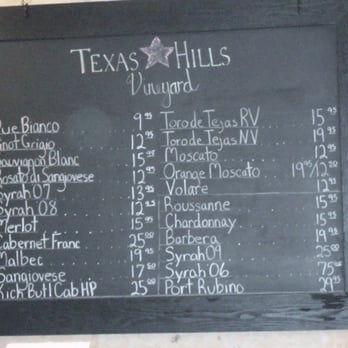
A great little winery that is definitely worth a visit if you're exploring wineries in the Texas Hill Country! Friendly and knowledgeable staff in the cozy tasting room who could share not only about Texas Hill Vineyard wines but also about local terroir for grape growing and wine making in Texas overall. The added bonus was these were good wines, putting them in the context of the challenges of Texas wine making, offered at reasonable prices. This is a family owned business and the pride in ownership shines in the quality in the bottles. Yes, y'all. They do make wine in Texas. More than 40 wineries in the state. We were surprised too. Which is not to say that Texas wines are yet on a par with those produced by wineries in California or Oregon or Washington or British Columbia or New York. But some of the Texas winemakers are succeeding in creating nicely drinkable wines from Texas grown grapes. Texas Hills winery is one of them. Reds include but are not limited to Syrah, Cabernet Franc, Cabernet Sauvignon and Merlot. Among whites you'll find included Rouseanne, Chardonnay and an Italian styled Pinot Grigio. Some of their wines are from estate grown grapes and all are from Texas grown grapes. (See "Note" at end of review for why this is important.) TASTING ROOM: First with a shout out to Texas Hills for having a tasting room that is completely, universally accessible from parking lot and through the door. Whether you're walking on two feet, or using crutches or pushing a stroller or using a wheelchair, it works here for equal access. Once inside, the tasting protocol in the cozy tasting room is $5 for five pours. And more in the 'good for them' mode, the fee is refunded with purchase. We tasted reds and whites and found the reds here to among the best of any Texas red wines we tried during our nearly three weeks in the state. Like any new wine region, whites seem to be easier to produce in good form than reds, but some reds here were pretty darned good. (As in one that is Tempernillo grape but labeled under a different name as we recall.) The bottles we walked away with included Rubino Port, which is grape alcohol fortified and lighter drinking than traditional Port, and also the Orange Muscato which we thought was very yummy good. BEAUTIFUL SETTING - GOOD PLACE TO "SIT A SPELL": The tasting room has a nice deck outside with lovely outlook. I don't know of TABC (Texas alcohol control) lets Texas Hills sell wine by the glass or not, but if so this would be a good place to buy a glass and enjoy a picnic lunch on the deck. And if not, bring a soft beverage and settle in for a picnic. Either way, pretty place with welcoming staff. TIPS: 1) A bit off the visitor beaten path of some of the other wineries on the so called Texas "wine trail", this winery is conveniently located in Johnson City, not far from the National Parks Historic Site for the Lyndon B. Johnson Childhood Home site. That site is very much worth a visit too, so if you go there you can visit Texas Hills winery too. http://www.nps.gov/lyjo/planyourvisit/boyhoodhome.htm 2) Another of those two wineries mentioned above as worth the visit is Duchman Winery in Driftwood, which is not far from Johnson City. If you're looking for eats in Driftwood after wine tasting at Texas Hills and Duchman, you'll find Trattoria Lisina next door for Italian food or The Salt Lick nearby for barbecue. NOTE: Beware of some other higher volume Texas winery endeavors which bring in a good amount of their juice from California and then ferment it into wine in Texas. First of all, will all who think California is sending Texas their best juice please raise your hands? Because there is "a bridge in Brooklyn for sale..." As the saying goes. Second of all, wine making is at the heart an agricultural - farming endeavor with the terroir, the character of the land, coming through the grape. If you want to drink California grown wine product, you'll get a better one in that state than any of the California wines bottled in Texas labels here. Texas wines labeled "not for sale outside Texas" are the ones that start with out of state grown grapes; so now you know how to tell which ones not to buy at other wineries. read more


6 years ago

6 years ago
Really enjoyed the tasting! Went home with a bottle of Kick Butt Cab but all the wines were good. Super welcoming staff and kid friendly vineyard. Sweet lab Lily entertained my kids. Would definitely return! read more


9 years ago

9 years ago
This a true Gem in the Hill Country with amazing wine and the owners and staff are truly great people. The Paella Dinner with wine pairings was amazing. The Paella was better than what we had in Spain. Can't wait to got to another event an help with the grape picking in the summer! read more




6 years ago

I've been here before, definitely a repeat customer. The property is beautiful, the tasting room is cute and clean and the restrooms are VERY clean. The wine is a definite bonus. I'm a red drinker, however on this trip found that I love their 2015 Chardonnay. Custer service is always excellent. They are friendly and outgoing and chatty. I will always return!!! read more



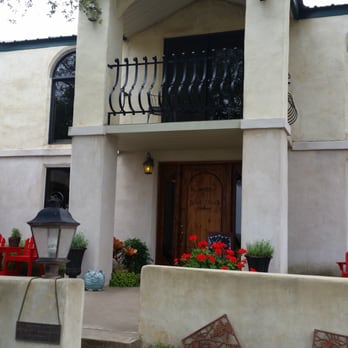
Located on the drive to Pedernales Falls is Texas Hills Vineyards, just a hop skip and a jump from the 290 wine road. As you enter the property you will be greeted by the estate vineyard, and the beautiful hacienda like building nestled back amongst the trees. They use sustainable organic methods to grow the vineyard, and the tasting room was built utilizing environmentally friendly methods. They used earth from the property for the building, utilizing an older technique called "rammed earth". They utilize only Texas sourced grapes for their wines, except for one wine on the menu that is a collaboration with another winemaker friend I am told. They were the first producer of Pinot Grigio in Texas, and we have them to thank for the 290 wine road being founded. The experience here can vary based on who is serving you, and when. The tasting room bar is small and can feel very cramped amongst the unique gift shop items they have. I tend to stay away from Saturday's as you can just feel like you are being rushed through amongst the crowds. Also, not all the staff are as knowledgeable as others. No matter what, I have never had an experience with anyone who wasn't friendly here. I have always felt like this was more of a homey wine tasting experience. For a more informative and intimate feeling, come on a weekday or Sunday. However, for $5 for 5 tastings of your choice from the menu, that is a tough price to beat. Plus, the bottles of wine are very reasonable with the majority between $12-20. I find the price point matches the quality of the wine here. Pretty good Texas house wine. I find the reds to be better than the whites My two favorites are the Moscato (great with spicy foods) and the Kick Butt Cab. read more


7 years ago


A wonderful winery with a very informative and interesting tour. The outdoor patio is nicely shaded for hot summer days, and the grounds are beautifully kept. Definitely one of our favorite vineyard visits in Fredericksburg with some of the better wine. It's incredibly interesting to me that they don't have a single barrel on site, nor do they age their wine in anything but stainless steel. Quite intriguing, actually, since their red varietals are actually pretty good. Once you consider that the vintner is a retired pharmacist who successfully pioneered and marketed pharmaceutical software, I suppose it makes more sense that he can make anything work with the right formula. read more


Texas Hills Winery is located in the heart of the Texas Hill Country. As you drive up the drive you will see the beautiful vineyards. If you take the tour of the various wineries you will notice that some of the wineries don't have any vineyards and bring the grapes in from various places around the country. It is true that most of your wineries do introduce imported grapes for various wines. However, several of the wineries have several award winning wines that 100% estate grapes grown on the vineyard. Texas Hills has both and some very good wines. read more



12 years ago
Really enjoyed this winery - good wines and a nice outdoor area to sit and enjoy a glass. It had a casual vibe and some very sweet dogs. It was a little far out from Fredericksburg but definitely worth the drive. Our favorite wines were the orange moscato and due bianco. I'd absolutely go back next time I'm in the area. read more


7 years ago


7 years ago


18 years ago

18 years ago


14 years ago


Page 1 of 3
More info about Napa Collection
878 Ranch Rd 2766
Johnson City, TX 78636
Directions
(830) 868-2321
Call Now
Visit Website
https://www.texashillsvineyard.com
Hours
Payment methods
Food & Alcohol
Services
Indoor Amenities
Outdoor Amenities
Other Amenities
From the Business
Ask the Community - Napa Collection
Review Highlights - Napa Collection

















Why does Yelp recommend reviews?
4 reviews that are not currently recommended
The reviews below are not factored into the business's overall star rating.
13 years ago
12 years ago

2 years ago

11 years ago


