Maison d'Etre Photos


You might also consider


More like Maison d'Etre
Recommended Reviews - Maison d'Etre
Start your review...


Reviews With Photos
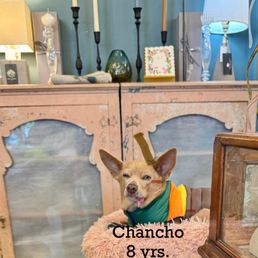

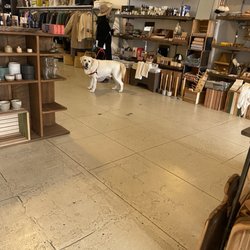
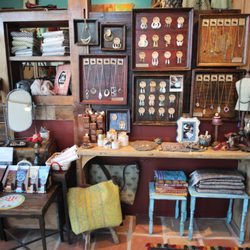
My husband & I have patronized this lovely shop with seemingly something for everyone, going back decades to before Fred passed it on to his wife and daughter(s?). It became a perfect browsing spot (along with Ellington & French nearby) to hunt for the "perfect gift" for a new baby or young child; wedding gift; thank you for a house host; or just a gift for a special someone who seems to have everything! Recently, the female buyers appear to emphasize jewelry. The selection of soaps is divine, and the children's clothing & books are unique. I've always loved the greeting cards, cookbooks and kitchen utensils. The new owners seem to be settling into their own pattern and store feels more spacious and is nicely laid out. Yes, the prices are high, and the young staff may seem distracted at times, but I've always left with a smile on my face, whether or not I made a purchase. New addition seems to be shop mascot who perches on a stool behind the counter, tongue hanging out, watchful and usually sleepy.
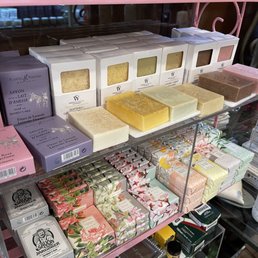

This place is a charm in so many ways. Once you go in it is very inviting and cozy. Anything really goes here. Anything from candles, soaps, decor, cookbooks, among many other things are very neat and nice. I am not aware of the teas but makes me want to go back again. I love tea. It does help psychologically to change your aura in your own personal space. Customer service is very nice and they are always eager to help you and they do it with a smile. They also tend to promote local artists which I always prefer. As a student, I can barely afford many things around here but it can be nice. Maybe I'll treat myself at the end of final exams.


This store is cute as all get out. Lots of things for the home and for the body. I could have bought a lot, but kept it simple and bought a Lafco candle. I'd never heard of them before, but I've fallen in love with them. The scent is light and true and lingers long after the candle has been extinguished. At $62 a pop, it's wasn't cheap, but it was worth it. They also have a delightful assortment of teas. I'd stop in here anytime to browse and more than likely find something I have to take home.


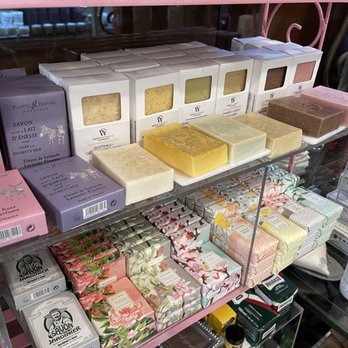
This store is beyond cute. They have a wonderful selection of fancy (surprisingly reasonable priced for fancy) soap that smell amazing. They also have lots of cute stuff for fun home/apartment decor or gifting.


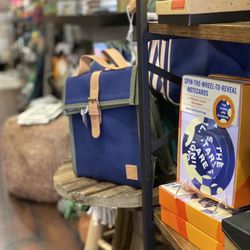
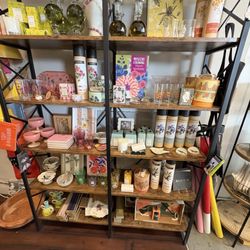
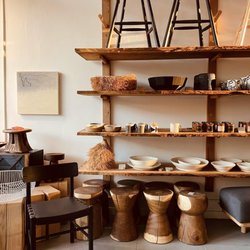
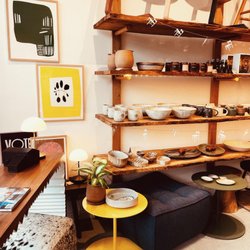
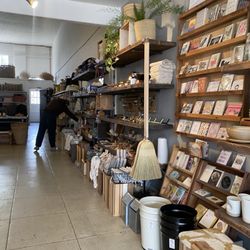
It's not as French as I expected given its clever name nor as expensive as some reviewers make it sound. They did have French dinnerware and French tea towels along with a wide range of attractive merchandise for graceful living, roughly organized by "room": kitchen, kid's room, bedroom, dining room, and bathroom. I love how the bedroom area has a comfy plush display bed and their use vintage display cabinets and tables for display purposes throughout the store. You'll find design oriented gifts that aren't exorbitant but not cheap either. The nice thing about the breadth of their inventory is that you'll be able to find something for everyone on your list (except teenagers perhaps). A sample of their inventory: * Candles (Votivo), tea, incense, soap (nice but nothing too unusual) * Greeting cards, calendars and books. They have Snow & Graham letterpress cards. * Pretty umbrellas hanging from the ceiling * Welcome mats that say "bienvenue" * Drinking glasses, baking dishes, wooden cutting boards, dinnerware, steak knives, Chilewich placemats, coasters, cookbooks. Someone made drinking glasses out of glass Boylan soda bottles ($9.50 each). * Floppy hats, scarves, jewelry, tote bags * Luxurious extra thick towels and bathroom rugs * Pine Cone Hill classic cotton pajamas and robes, comforters - perfect for mom and dad * Colorful cotton boxer shorts * Baby clothes and stuffed animals I fell in love with the grown up mobiles - particularly the insects one but the birds on a branch, the girl & boy profiles and the birdcage ones were also delightful. http://www.yelp.com/biz_photos/PMxPQSoLOI_I1dAwAcVQyg?select=hXwMQQ24HIiPPmK6irtRbw


Boho chic home goods store which also carries some curated body/skincare goods, clothes, purses, and kitschy gifts. It reminds me a bit of Anthropologie stores but more specialized home designer goods and textiles. Prices range from mid to premium for most items. Cool and trendy shop to look around and find that gift for your worldly friend who may have everything. read more
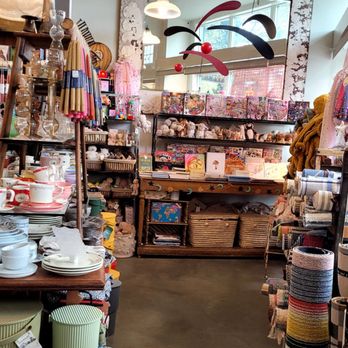


There are lots of gift shops around. They all look like they are supplied by the same vendors. I don't bother reviewing most of them. So it's not able when a shop stands out because of their selection of things that I might actually buy! Eclecticism! Maison d'Etre is one of those (and there are others on the same street!). I was impressed, and felt certain that they would have goods that changed over time as well. No mere Therapy store here! Best way to know what I'm talking about is to check out all the pictures. read more


1 year ago

1 year ago
My husband & I have patronized this lovely shop with seemingly something for everyone, going back decades to before Fred passed it on to his wife and daughter(s?). It became a perfect browsing spot (along with Ellington & French nearby) to hunt for the "perfect gift" for a new baby or young child; wedding gift; thank you for a house host; or just a gift for a special someone who seems to have everything! Recently, the female buyers appear to emphasize jewelry. The selection of soaps is divine, and the children's clothing & books are unique. I've always loved the greeting cards, cookbooks and kitchen utensils. The new owners seem to be settling into their own pattern and store feels more spacious and is nicely laid out. Yes, the prices are high, and the young staff may seem distracted at times, but I've always left with a smile on my face, whether or not I made a purchase. New addition seems to be shop mascot who perches on a stool behind the counter, tongue hanging out, watchful and usually sleepy. read more


This place is a charm in so many ways. Once you go in it is very inviting and cozy. Anything really goes here. Anything from candles, soaps, decor, cookbooks, among many other things are very neat and nice. I am not aware of the teas but makes me want to go back again. I love tea. It does help psychologically to change your aura in your own personal space. Customer service is very nice and they are always eager to help you and they do it with a smile. They also tend to promote local artists which I always prefer. As a student, I can barely afford many things around here but it can be nice. Maybe I'll treat myself at the end of final exams. read more


2 years ago

3 years ago


5 years ago

This store is cute as all get out. Lots of things for the home and for the body. I could have bought a lot, but kept it simple and bought a Lafco candle. I'd never heard of them before, but I've fallen in love with them. The scent is light and true and lingers long after the candle has been extinguished. At $62 a pop, it's wasn't cheap, but it was worth it. They also have a delightful assortment of teas. I'd stop in here anytime to browse and more than likely find something I have to take home. read more


3 years ago

3 years ago


9 years ago
This store is beyond cute. They have a wonderful selection of fancy (surprisingly reasonable priced for fancy) soap that smell amazing. They also have lots of cute stuff for fun home/apartment decor or gifting. read more


It's not as French as I expected given its clever name nor as expensive as some reviewers make it sound. They did have French dinnerware and French tea towels along with a wide range of attractive merchandise for graceful living, roughly organized by "room": kitchen, kid's room, bedroom, dining room, and bathroom. I love how the bedroom area has a comfy plush display bed and their use vintage display cabinets and tables for display purposes throughout the store. You'll find design oriented gifts that aren't exorbitant but not cheap either. The nice thing about the breadth of their inventory is that you'll be able to find something for everyone on your list (except teenagers perhaps). A sample of their inventory: * Candles (Votivo), tea, incense, soap (nice but nothing too unusual) * Greeting cards, calendars and books. They have Snow & Graham letterpress cards. * Pretty umbrellas hanging from the ceiling * Welcome mats that say "bienvenue" * Drinking glasses, baking dishes, wooden cutting boards, dinnerware, steak knives, Chilewich placemats, coasters, cookbooks. Someone made drinking glasses out of glass Boylan soda bottles ($9.50 each). * Floppy hats, scarves, jewelry, tote bags * Luxurious extra thick towels and bathroom rugs * Pine Cone Hill classic cotton pajamas and robes, comforters - perfect for mom and dad * Colorful cotton boxer shorts * Baby clothes and stuffed animals I fell in love with the grown up mobiles - particularly the insects one but the birds on a branch, the girl & boy profiles and the birdcage ones were also delightful. http://www.yelp.com/biz_photos/PMxPQSoLOI_I1dAwAcVQyg?select=hXwMQQ24HIiPPmK6irtRbw read more


16 years ago


4 years ago

7 years ago

Yet another botique on College in Rockridge, and perhaps bit more girly than the others. Still, they have a good mix of stuff, and there's some nice furniture, if a little on the side of looking artifically aged. There's some cool Oakland stuff, some nice kitchen ware and other things that aren't too knick-knacky. I probably coudn't see myself buying much here, like in the boitques on College, but you never know. But check it out - a must see for a stroll on College. read more


17 years ago

19 years ago


10 years ago

15 years ago


20 years ago


5 years ago

14 years ago
8 years ago
Page 1 of 3
More info about Maison d'Etre
5640 College Ave
Oakland, CA 94618
Rockridge, North Oakland
Directions
(510) 658-2801
Call Now
Visit Website
http://www.maisondetre.com
Hours
Payment methods
Outdoor Amenities
Ask the Community - Maison d'Etre
Does anyone know the brand of the cardigans/robes they have?
Review Highlights - Maison d'Etre
You might also consider



















Why does Yelp recommend reviews?
13 reviews that are not currently recommended
The reviews below are not factored into the business's overall star rating.

17 years ago

9 years ago

15 years ago
19 years ago
4 years ago

18 years ago

7 years ago
4 years ago

17 years ago
19 years ago
4 years ago
4 years ago
17 years ago


