Lemoyne House Photos


You might also consider

More like Lemoyne House
Recommended Reviews - Lemoyne House
Start your review...



5 years ago
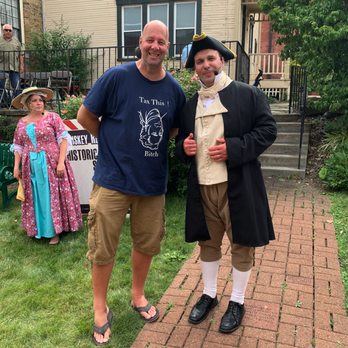
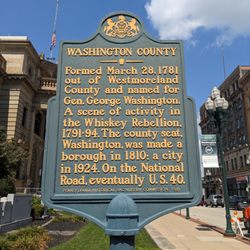
First time to the LeMoyne House. It has a lot of rich history in Washington County. They were performing a walk through of the Whiskey Rebellion here for the Whiskey Rebellion Festival in 2021. I didn't have a chance to do a walk through of the house and not sure if it's available, but so much history in downtown washington, pa. read more

13 years ago
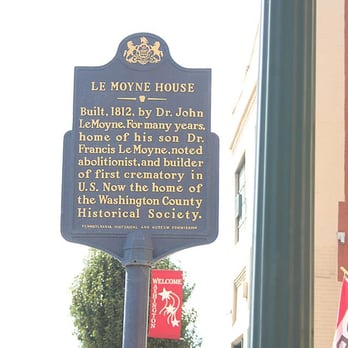
This being my first time to Pittsburgh, I wasn't expecting the traffic so I showed up at 3:06. The last tour began at 3 p.m. so unfortunately I wasn't able to participate in the tour. However, I don't know if it was my puppy dog face or not but the elderly volunteer grabbed up some papers and gave me a tour in about 5 minutes. Enough to see what I needed to see! In fact, I went to check out the courthouse afterward and ran into another couple who had taken the tour and they said I probably had a better one because the other is very lengthy and I really just wanted to know about the Underground Railroad history. She said there wasn't much to it, only that slaves hid under the woman's bed and when soldiers approached, she said she was alone and asked them to leave. The LeMoyne House stands as one of the best preserved Underground Railroad sites in the United States. The LeMoyne House is also home to artifacts from nearly every war I can thing of. The items aren't really relevant to the story of the home but it was neat to see them. Some history: The LeMoyne House, a National Historic Landmark, was built in 1812, and was a center of antislavery activity in southwestern Pennsylvania from the 1830s through the end of slavery. Dr. F. Julius LeMoyne (1798-1879), the son of a Parisian doctor who immigrated to the United States, was born in Washington and studied medicine at the Jefferson Medical College in Philadelphia. In 1834, LeMoyne joined the Washington Anti-Slavery Society and was the organization's president from 1835 to 1837, after which he was commissioned by the American Anti-Slavery Society to be its regional agent. LeMoyne, along with his children and wife Madelaine, were active in the Underground Railroad. The tightly knit free black communities in southwest Pennsylvania helped slaves escape and developed an operational network that white antislavery activists, such as LeMoyne, joined. LeMoyne's correspondence from the 1840s includes letters from individuals asking for aid and thanking him for his assistance in getting them and their friends and relatives out of the South. In his activism and philosophy, LeMoyne represents the mainstream of antislavery activity in the United States before 1850 and is typical of the middle-class Americans of the antebellum period who became caught up in the antislavery debate. In addition to building the first crematory in the United States, Dr. Francis LeMoyne was an active abolitionist who founded the Washington County Antislavery Society in 1835. Because of his leadership efforts, he was nominated by other abolitionists (under the banner of the Liberty Party) for vice president of the United States in 1840 and for governor of Pennsylvania on three different occasions. He declined each nomination, but his name appeared on the ballots anyway. Local tradition maintains that the LeMoynes worked together as a family to hide runaways in their Washington County home. Recollections from their eight children suggest that as many as 25 fugitives stayed in the residence at one time. After the Civil War, Dr. LeMoyne remained active in social causes, including support for equal rights for women and the advancement of newly freed slaves. In 1870, his donation of $20,000 established a school for freedmen, the LeMoyne Normal and Commercial School in Memphis, Tennessee. Francis Julius LeMoyne died in 1879 at the age of 81. read more



17 years ago
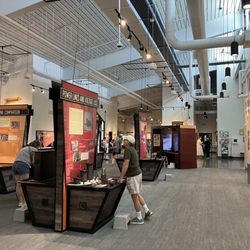
The LeMoyne House is a great mix of historic house and general museum. Julius LeMoyne is a fascinating and important historical figure worth learning about (first to operate a crematory in the United States!). He's inextricably connected to the town of Washington too. If I remember, they also house the local historical society so they have other exhibits that have nothing to do with LeMoyne himself. read more

More info about Lemoyne House














Why does Yelp recommend reviews?
1 review that is not currently recommended
The reviews below are not factored into the business's overall star rating.

3 years ago


