Largo do Carmo Photos


Recommended Reviews - Largo do Carmo
Start your review...




1 year ago
What a pleasant experience. The food was excellent and the waiter was attentive and spoke good English. This Restaurant is in the middle of a plethora of other places to dine and I'm glade I took the advice of the Yelp reviews. This is a special shout out to all those who took the time to review this quaint Restaurant. read more


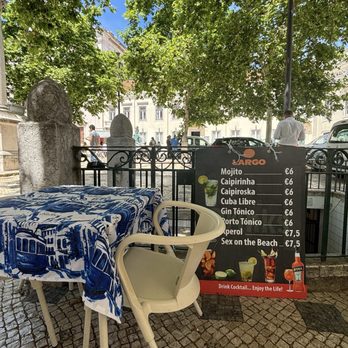
We came here for lunch and decided to sit outside in the shade by a courtyard. Staff was very accommodating and attentive. The sea bream fish with potatoes and vegetables was very flavorful with garlic sauce and filling. read more




8 years ago
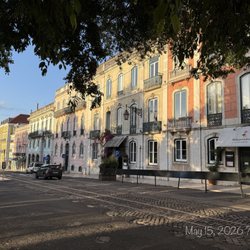
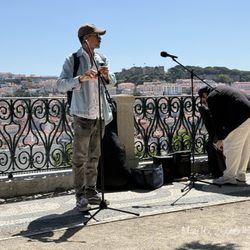
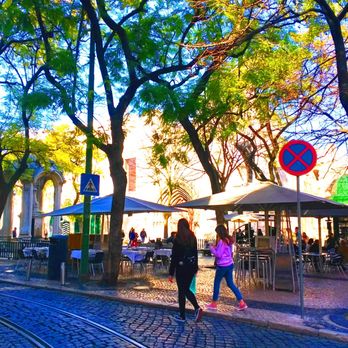
Largo do Carmo is not a very grandiose square (like Praça do Comércio), but it is a very pretty one. The focal point is probably the 14thC ruins of the Igreja Convento do Carmo (now the Museu Arqueológico do Carmo) along one side of the square. But it is framed by distinct looking Bignoniaceae trees, which have purple blossoms in May/June (like much else, these trees were brought to Lisbon from South America in the 17thC). At one end of the square, there is a cafe kiosk that looks like similar designs in NYC and Paris, with tables around it. In the center is a "fountain" from 1796, though there was no water turned on in or around it. There are a number of public benches, and it is a very relaxing place to sit in relative peace and quiet for the city. A street musician was playing when we visited, and apparently music and traditional dance are performed here during the summer. This square was famously photographed during the Carnation Revolution (April 25, 1974), because beside the convent ruins is the Republican National Guard, where Marcelo Caetano (former dictator) found refuge at the time of the revolution. The square was where the Portuguese Armed Forces (MFA) forced Caetano to cede power to General Spínola, ending the 41-year Estado Novo (New Regime, 1933-1974). It makes sense that this very pretty, peaceful square is such a nice place to visit. It is historically important to the Portuguese people, and a special place to visit. read more


More info about Largo do Carmo
Largo do Carmo, s/n
1200-203 Lisbon
Portugal
Rossio - Baixa - Chiado, Chiado
Directions
Hours
Outdoor Amenities