Why a Bridge Should Replace the Lake Champlain Ferry
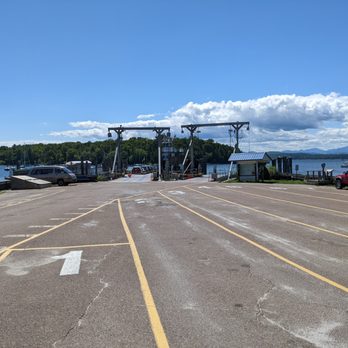
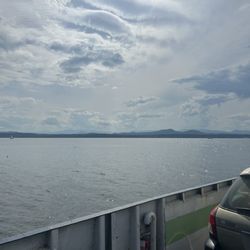
The 2-mile stretch between Cumberland Head, New York, and Grand Isle, Vermont, is a critical link connecting Plattsburgh and Burlington--two economic anchors of the North Country. Yet this vital corridor relies on a century-old solution: a ferry system that is increasingly inefficient, environmentally damaging, and economically burdensome. It's time to retire the ferry and invest in a permanent bridge that meets the demands of the 21st century.
Unreliable Operations and Daily Disruptions
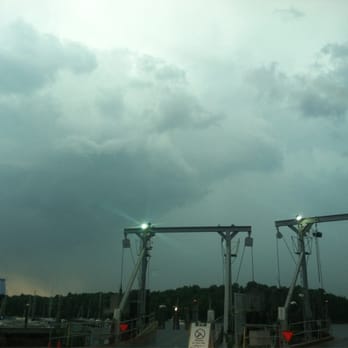
Lake Champlain Transportation Company's ferry service is routinely disrupted by weather, aging infrastructure, and technical failures. These issues introduce frequent delays, making commutes unpredictable. A single storm, for instance, once disabled credit card systems, forcing the ferry to accept only cash or prepaid cards--a scenario unthinkable in a modern transit system.
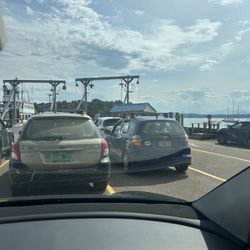
The ticketing process is outdated and inefficient. Drivers must stop twice: first at a booth to pay manually, and again for a ticket verification check just 200 feet later. Not only does this cause frustrating bottlenecks during rush hour, but it also generates unnecessary paper waste. Automated, contactless systems like E-ZPass--commonplace on highways--could dramatically streamline the process, but have not been adopted.
Financially, the ferry service is regressive. Its fare structure includes fuel surcharges and requires a minimum $200 commuter card purchase, placing an undue burden on working-class commuters and occasional travelers. Moreover, a lack of transparency in boarding order often leads to confusion and perceived unfairness.
Aging Fleet, Escalating Costs, and Environmental Hazards
The ferry system is anchored by an aging fleet, with vessels like the M/V Adirondack, originally launched in 1913, only recently retired after over a century in service. Maintenance of such obsolete vessels is costly and inefficient, requiring hard-to-find parts and constant safety upgrades.
These boats are not just costly--they're polluting. Diesel-powered engines release harmful emissions into the air and pose risks to the lake's water quality through runoff and potential spills. In 2014, the ferry operator was fined $100,000 for violations of clean air regulations, highlighting the environmental cost of business-as-usual.
The controversial plan to sink the Adirondack as an artificial reef raised additional alarm. Environmental groups warned of lingering contaminants like lead paint and PCBs, questioning the wisdom of turning the lake into a dumping ground for outdated vessels--no matter how thoroughly they're cleaned.
The Clear Alternative: A Modern, Sustainable Bridge
Replacing the ferry with a bridge would be a game-changing investment in the region's future. Unlike ferries, bridges are immune to weather delays and mechanical breakdowns. They offer consistent, fast, and reliable transportation for commuters, emergency services, and freight.
Environmentally, a bridge would eliminate the ferry's diesel emissions and reduce the risk of pollution to Lake Champlain. Over the long term, operational savings from not maintaining aging vessels would offset the up-front construction costs. In addition, regional businesses such as Camp Precast Concrete in Milton, Vermont, could supply materials, ensuring local job creation and economic benefits.
Beyond the economic and environmental arguments lies a larger truth: infrastructure drives opportunity. A bridge would expand labor markets, boost tourism, attract investment, and strengthen the social and economic fabric of communities on both sides of the lake.
Conclusion: A Vision Worth Building
The Lake Champlain ferry system is no longer fit for purpose. It represents a past era--one marked by stopgap solutions and environmental compromise. A bridge offers a bold, future-forward alternative rooted in efficiency, sustainability, and economic resilience.
It's time to stop patching an aging ferry and start building a permanent link that unites New York and Vermont for the next century and beyond. read more