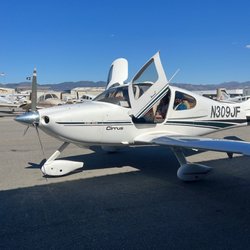
LA Flight Academy Photos
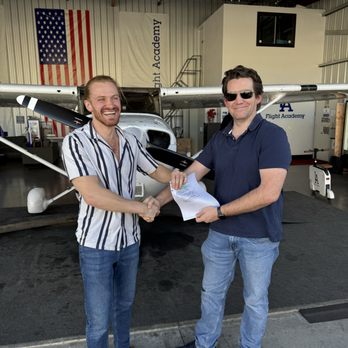


More like LA Flight Academy
Recommended Reviews - LA Flight Academy
Start your review...


Reviews With Photos


Seriously, if you are thinking of flying for fun or for a career check out LA flight Academy. I was in that same position where you determine what flight school fits best for your needs, and these guys have been very accommodating and helpful from the start. I was skeptical at first but once you know the operations and what to expect, this place will feel like a nice hang out place for studying. You get to experience people that are in the same position and network - find out what works for them etc. it's great! I'll be doing the zero to hero at this place as I wouldn't imagine a better place to do it at than this. Thanks Anthony!

Just passed my Private Pilot checkride thanks to LA FLIGHT ACADEMY. I've been to 3 other flight schools and have found most either want to drain you for your money/flight hours or are so balls-to-the-wall about getting you to your checkride that they compromise safety. LAFA's instructors are actually invested in getting you to your checkride while still ensuring you are a capable pilot. I wish I had found them earlier. I would have saved a ton of time and money.


Just finished my private pilot license with LAFA and it is absolutely the best school on the strip. I started my training at a different school which pales in comparison looking back. Did 80% of my training with a CFI named Evan who moved onto the big leagues (as they all eventually do) and finished the rest with a CFI named Saif. Could not be happier with both of them! Amazing experience and the owner of the school is extremely attentive to his aircraft and is on top of repairs and maintenance as well as very communicative. If you're going to learn how to fly, fly here.

I am so proud to have done my Multi Engine Instructor license at La Flight Academy. At this stage in the game, I have had many flight instructors and flight schools. Here is why I would recommend them: 1.They had and presented a full syllabus and plan of action prior to day one. 2. They provided all training materials prior to day 1 which gave me time to self-study and try to get ahead. 3. They developed lesson plans that perfectly balance efficiency and enough time to absorb the material. 4. They are priced very fairly and really care about being fair in all their billing. 5. I felt like family. 6. I loved my Instructor(s). My primary instructor was Alex Feldman. He felt very professional the entire time and I really liked that it did not feel like I was "flying with my best friend." Even though he and I got along greatly. He is extremely knowledgeable, honest, efficient, and a great aviator. The owner Anthony treats everyone like family. 5/5 stars from someone who has been around the industry for a while. Thank you La Flight Academy for helping me achieve my goal.

I've been to 3 other flight schools at Van Nuys and LA Flight Academy has exceeded my expectations. I wish I had found them sooner.. the instructors are very knowledgeable about the material. Planes are super clean, maintained very well and I've never been hesitant to fly any of them. Definitely the best flight school @ Van Nuys. I would highly recommend for any kind of flight training!

Hi guys My name is Tony I am a private pilot with instrument rating This best flight school the I have been to. I came from a part 141 school because wasn't helpful for me. I can to LA flight academy to Anthony and Arthur and they help to get my private and instrument in short amount of time . Also they are trying to help you as much as they can for plane availability and making hours. Honestly it's hard to find a school like that these days. Thank you for everyone that help me to get these certificates.

I wish I could have found this place sooner. After 100s of hours of flying at different flight schools across LA, I settled at this flight school. I completed my Commercial and finished up on my previously incomplete instrument checkride in less than 2 months, and am currently working on my CFI and soon my MEL. The owner is amazing and honest and the CFIs work with me directly. Pricing is great and the aircraft that are maintained excellently.

If you are looking for somewhere to learn to fly, seriously look no further. After coming from a not so good flight school, LA Flight Academy took me in and turned me into a really confident safe pilot. I went from student pilot through to CFi with them and I wouldn't have it any other way. The aircraft are always maintained well and are safe, the flight instructors are professional and their only goal it to have you succeed. The business is very transparent and the owner is extremely accommodating and it is a very friendly Environment place to come and learn. I can't recommend this place enough, go see for yourself!


8 months ago
I'm incredibly grateful to LA Flight Academy and especially to Anthony, the owner. When I was researching flight schools in the area, he was the only one who took the time to answer my questions immediately and honestly. While others felt focused on selling, Anthony felt focused on peopleand that made all the difference. During my Private Pilot License training, I genuinely had the best experience. As a queer pilot, I felt fully embraced, respected, and supported by everyone at the school. That kind of environment matters more than people realize, and LA Flight Academy delivers it effortlessly. Mason, my CFI, has an incredible way of connecting with studentsclear, patient, and motivating. Sean Haughey is also outstanding, both in ground instruction and in the air. You can tell they truly care about teaching, safety, and your growth as a pilot. The level of professionalism, security, and safety at this school is incomparable. I couldn't be more thankful to have landed here. Thank you again for an amazing semi-accelerated PPL experience. I'm excited to continue all my ratings and commercial training with you. read more


3 months ago

Wish I completed all my training here. I just finished my commercial multi with such an amazing experience . I've attended several schools , taught at several schools and work here at Van Nuys as a flight instructor. It is known that LA flight academy is the premier flight school here. Great planes, instructors , HONEST business, owners and just a great community and vibe. If I could do it all over again, I'd do all my training here and try to work for them. read more

10 months ago

2 years ago
Seriously, if you are thinking of flying for fun or for a career check out LA flight Academy. I was in that same position where you determine what flight school fits best for your needs, and these guys have been very accommodating and helpful from the start. I was skeptical at first but once you know the operations and what to expect, this place will feel like a nice hang out place for studying. You get to experience people that are in the same position and network - find out what works for them etc. it's great! I'll be doing the zero to hero at this place as I wouldn't imagine a better place to do it at than this. Thanks Anthony! read more


1 year ago

1 year ago
2 years ago
Just passed my Private Pilot checkride thanks to LA FLIGHT ACADEMY. I've been to 3 other flight schools and have found most either want to drain you for your money/flight hours or are so balls-to-the-wall about getting you to your checkride that they compromise safety. LAFA's instructors are actually invested in getting you to your checkride while still ensuring you are a capable pilot. I wish I had found them earlier. I would have saved a ton of time and money. read more

11 months ago

2 years ago
Just finished my private pilot license with LAFA and it is absolutely the best school on the strip. I started my training at a different school which pales in comparison looking back. Did 80% of my training with a CFI named Evan who moved onto the big leagues (as they all eventually do) and finished the rest with a CFI named Saif. Could not be happier with both of them! Amazing experience and the owner of the school is extremely attentive to his aircraft and is on top of repairs and maintenance as well as very communicative. If you're going to learn how to fly, fly here. read more


1 year ago
1 year ago
1 year ago
1 year ago
2 years ago
I am so proud to have done my Multi Engine Instructor license at La Flight Academy. At this stage in the game, I have had many flight instructors and flight schools. Here is why I would recommend them: 1.They had and presented a full syllabus and plan of action prior to day one. 2. They provided all training materials prior to day 1 which gave me time to self-study and try to get ahead. 3. They developed lesson plans that perfectly balance efficiency and enough time to absorb the material. 4. They are priced very fairly and really care about being fair in all their billing. 5. I felt like family. 6. I loved my Instructor(s). My primary instructor was Alex Feldman. He felt very professional the entire time and I really liked that it did not feel like I was "flying with my best friend." Even though he and I got along greatly. He is extremely knowledgeable, honest, efficient, and a great aviator. The owner Anthony treats everyone like family. 5/5 stars from someone who has been around the industry for a while. Thank you La Flight Academy for helping me achieve my goal. read more

3 years ago
I've been to 3 other flight schools at Van Nuys and LA Flight Academy has exceeded my expectations. I wish I had found them sooner.. the instructors are very knowledgeable about the material. Planes are super clean, maintained very well and I've never been hesitant to fly any of them. Definitely the best flight school @ Van Nuys. I would highly recommend for any kind of flight training! read more

3 years ago
Hi guys My name is Tony I am a private pilot with instrument rating This best flight school the I have been to. I came from a part 141 school because wasn't helpful for me. I can to LA flight academy to Anthony and Arthur and they help to get my private and instrument in short amount of time . Also they are trying to help you as much as they can for plane availability and making hours. Honestly it's hard to find a school like that these days. Thank you for everyone that help me to get these certificates. read more


2 years ago
I wish I could have found this place sooner. After 100s of hours of flying at different flight schools across LA, I settled at this flight school. I completed my Commercial and finished up on my previously incomplete instrument checkride in less than 2 months, and am currently working on my CFI and soon my MEL. The owner is amazing and honest and the CFIs work with me directly. Pricing is great and the aircraft that are maintained excellently. read more


2 years ago
2 years ago
If you are looking for somewhere to learn to fly, seriously look no further. After coming from a not so good flight school, LA Flight Academy took me in and turned me into a really confident safe pilot. I went from student pilot through to CFi with them and I wouldn't have it any other way. The aircraft are always maintained well and are safe, the flight instructors are professional and their only goal it to have you succeed. The business is very transparent and the owner is extremely accommodating and it is a very friendly Environment place to come and learn. I can't recommend this place enough, go see for yourself! read more


5 years ago
2 years ago
Incredible staff. Incredible instructors. Incredible owner. I flew for the first time as a surprise birthday gift from my wife and the experience was all so unimaginably incredible that I'm now considering actually getting my pilot's license! Thank you LA Flight Academy. read more

2 years ago
I seriously can't recommend LA Flight Academy enough! I'm a career student here and the instructors, planes, and staff are the best I've come across since I started flying. If you are thinking about getting your pilot's license for fun or flying as a career you should definitely make LA Flight Academy your first stop when looking for a school! read more




2 years ago

6 years ago
Great place to fly, maintenance ON ALL AIRCRAFT are always up to standards. This is truly a place that does not screw around with airworthiness of aircraft. If you want to fly an aircraft that matches the performance numbers in the aircraft manual, this is the place. Super friendly people with an awesome learning environment and extremely welcoming. You know its a safe and reliable top notch flight school when you can take a piston pusher across the Nevada border twice in one day and burn little to no oil. Stop over paying for airplanes that don't perform by the book and head over to LA Flight Academy! read more

Business owner information

Anthony N.
Thank you for the review Haider. One of our main objectives as a…

4 years ago
I got my private pilot license thanks to the amazing team and the CFIs at LA Flight academy. They are one of the most honest companies in Van Nuys and if you ask me the only place to learn to fly! Take my word for it I tired a few of the schools and LA Flight academy is the best. All the aircraft are serviced properly and always ready to fly. The planes are CLEAN and Fueled so you don't have to spend time fueling up or cleaning them like other schools. Good Luck and see you up in the skies read more

2 years ago

4 years ago
2 years ago

4 years ago
3 years ago

4 years ago
4 years ago
My pilot career started off with a school that promised me to get me through all my licenses and help me whenever I needed them, but instead they just drained all the money they could from me, taking me on random flights, and to just sitting in the plane for 30+ minutes. After a year and a half and just getting my private and 6 months of instrument training it was a must for me to look for another flight school and I couldn't have made a better decision then joining LA flight Academy. From the quality of planes, instruction, staff, and within a month into my instrument training I will be ready for my checkride in a couple of weeks. read more


6 years ago

6 years ago
Made it from zero experience to private pilot in two months with Bobby. These guys are professional, the planes are in perfect condition, and they really care about your success and safety as a pilot. I never had a problem scheduling, had no mechanical issues, nothing. I would absolutely recommend LA Flight Academy to anybody looking to get flight training. read more

Business owner information
Anthony N.
Thank you Richard. We had a pleasure helping you achieve your goals.

3 years ago
3 years ago
5 years ago
All the teachers my son had at LA Flight Academy have been great!! The owner is very nice and personable with my son as well as us parents when we met him. My son got his pilots license in record time during his summer break from college, took me for a flight, and I felt very safe with his knowledge and the plane he rented from LA Flight Academy. read more

3 years ago

6 years ago
Business owner information
Anthony N.
Hi Vini, thank you for the review and allowing us to help you with…
Page 1 of 2
More info about LA Flight Academy
7900 Balboa Blvd
Unit G6
Van Nuys, CA 91406
Van Nuys
Directions
(818) 389-1771
Call Now
Visit Website
https://laflightacademy.com
Hours
Other Amenities
From the Business
Ask the Community - LA Flight Academy
Is the LA flight school Part 141?
Currently we are Part 61 but have applied for 141 and should be getting it within the next 6 months.
Review Highlights - LA Flight Academy


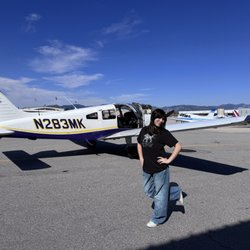
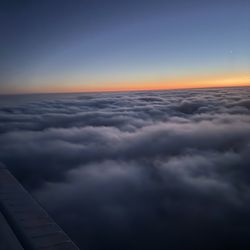
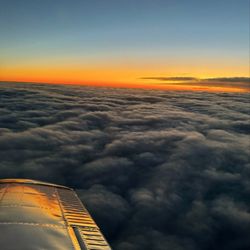











Why does Yelp recommend reviews?
24 reviews that are not currently recommended
The reviews below are not factored into the business's overall star rating.

3 years ago

1 year ago
1 year ago
2 years ago
1 year ago
2 years ago
2 years ago
2 years ago
6 years ago
1 year ago
3 months ago

2 years ago

3 years ago
3 years ago

2 years ago

1 year ago

1 year ago
4 months ago
2 years ago
1 year ago


