Glasgow Green
Glasgow Green Photos



Recommended Reviews - Glasgow Green
Start your review...


Reviews With Photos


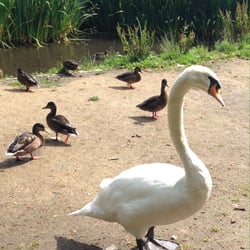
Glasgow Green can be a bit hit and miss in some regards. It is in an area that would not always be first on the list you would send tourists to in my opinion but actually given the right day it can make for a very pleasant walk. We took the dog there yesterday and it was a crisp cold morning. It meant the place was quite quiet and allowed us to enjoy a slow walk peaceful walk round. There is quite a few different bits to see including the birds down at the riverside, Tempelton Building, the bridge, the tall monument and the water fountain. (These probs have names that I don't know btw) The added bonus to this park is you can also either go to west at the end for a beer or food or into the winter gardens for a coffee and cake. Certainly worth a walk round during the day if you ain't been before .


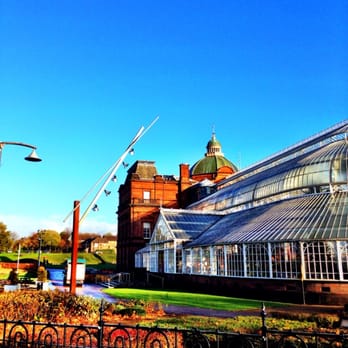
I love Glasgow Green...it has forever been my go to park when the sun is out (and in Glasgow that also means taps are aff!) or as a scenic shortcut if I'm walking home from town. It's big enough that even on a scorcher of a day you will always find your own wee spot to chill, sunbath or kick a ball about (OK, admittedly I don't do much of the latter but it's an option is what I'm saying!). There's a couple of play parks for kids, one at either end, with pirate ships, tube tunnel slides and all sorts to keep them amused as well as a nextbike station located near West Brewery (also handy for a cold one!) if you fancy hiring a bike (though perhaps best not to drink and cycle...). For something different, you can wander around the People's Palace and Winter Garden (the smell is awesome, my words won't do it justice) or just sit back and relax like I'm doing today.


Love Glasgow Green for long dog walks and sunny afternoons of lying around. Yes, it might have a slightly rougher crowd than Kelvingrove does, but the locals add a bit of charm to the place! Also handy is the proximity to West (for a wee beer or two) & the Peoples Palace! The new Commonwealth Games hockey centre is also nearby. Parking is usually fine although the green is within walking distance of the city centre.


Very big and very flat, Glasgow Green is indeed a lovely green space and has a couple of notable landmarks but pretty much every other park I've been to in Glasgow (notably Kelvingrove, Queens, Linn and Rouken Glen) has been a bit more picturesque. That's not to take anything away from the green though, it houses the charming People's Palace, and I'm assured that the Bonfire Night party is the best place in town to celebrate the torture and execution of a political activist. Still worth a visit.


I spend a lot of time in this park, mainly for running. The main half marathon in Glasgow finishes here and the place gets transformed into a runners paradise. Credit to the council for the setup of this event, with huge charity stalls and merchandise set up. The final 500m is along Clyde Street finishing right before Nelson's Monument. The park is a great distance for 5ks, as there is a good circuit you can complete. However, my major gribe with the park is the lack of lights. Or rather, street lamps are there but not lit. I'm not sure if this is to deter people from being in the park at night, but during winter this can make it quite difficult! It's a lovely park, with various monuments, some boat clubs and a lovely smell of the brewery..


One of Glasgow's nicest parks in my humble opinion, helped along by being in a good location. It's great during summertime, and I have been to a number of events held here including a Film Festival event run by the BBC where I got to see Goldfinger (the best Bond movie?) and more recently, the always on form Radiohead. It's a great place, and a lovely backdrop to a lazy Sunday afternoon stroll or summertime picnic with good company.


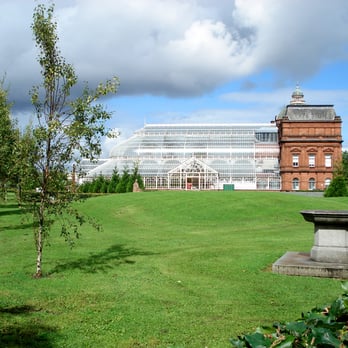
A wonderful large park in the east end and an absolute joy to discover for the first time as I did last month. It's actually the largest park in the city dating back to the 15th century and has had many uses over the years (including grazing, drying fishing nets and washing clothes) Nowadays it's a beautiful place to walk or cycle beside the River Clyde (and across some attractive bridges); you can see the beautiful People's Palace and Winter Gardens on the Green (including the cafe and extensive museum), the world's largest terracotta fountain, a tidal weir, the decorative 19th century Templeton Carpet Factory, a monument to Admiral Nelson, and much more. You can also find Cycle Route 75, also known as the Clyde Walkway, which runs from the centre of the city all the way to Strathclyde Park.


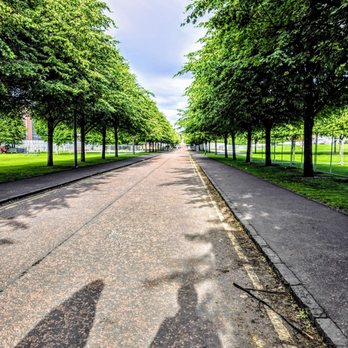
The Glasgow green is a pretty awesome place for kids or adults. The first time I came here was last year in the fall & it was breath taking! All the trees lined throughout the park were changing colors, it's defo a great picture opportunity if you go during autumn. I've been back a few times for nice long walks through the park, with its large green fields and trails that take you all the way down to the river/bridges. There are football pitches throughout the park and a children's park that seriously reminds me of that board game snakes n ladders! (Us Yankees call it shoots & ladders!) we brought Craig's 6 year old cousin here & she really enjoyed it :) I've also came here for bonfire night fireworks which wasn't a big deal but it's cool to see how crowded the park gets! Overall cool park, was tough to find a restroom for the "wee'yin" around the park but other than that no complaints!


Glasgow Green is a beautiful and well looked after park, it's a perfect place to run in the city as you don't have to worry about traffic. I also love watching people row along the river. If running isn't your thing there is always West Brewery and the People's Palace.


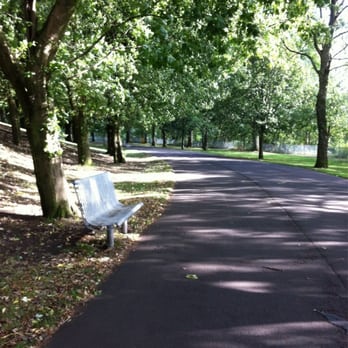
Large park just east of downtown Glasgow along the river. There are many asphalt paths, open green space, landmarks, fountains, plaques, and benches. Beyond that, there's the People's Palace (gives the working class history), a playground, a suspension bridge over the river, and the winter gardens with exotic plants and a cafe. I spent 3 hours here just wandering and touring the People's Palace. read more



10 years ago
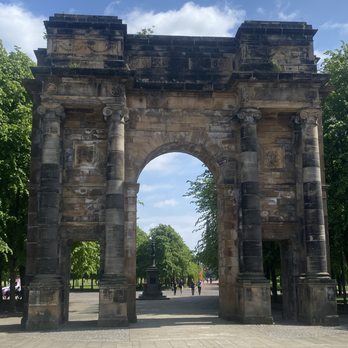
Glasgow Green is the oldest, and one of the biggest, dear green places in dear green Glasgow. It's also one of my favourites. It's a real gem of the East End. It's huge, well kept and patrolled by park rangers to keep it safe and it's absolutely packed with landmarks and things to do. There's the Nelson Monument, the McLennan Arch, endless statues and plaques, and at least two fountains including the William Collins Fountain and the Doulton Fountain. Then, of course, there's the People's Palace and Winter Gardens. The palace curates a collection with the theme of how Glaswegian people lived in the 18th-20th Century. The winter gardens is full of unusual, exotic plants and also has a small cafe. The green is often used for events in Glasgow but is a wonderful place to spend time even when nothing is going on. There's a playpark for children and there's usually an ice cream van or two in good weather. There are plenty of benches and ideal spots for picnics too and it's just an ideal spot to enjoy being outdoors, just to escape the bustle of the city for a quiet moment or two. read more


12 years ago

Glasgow Green can be a bit hit and miss in some regards. It is in an area that would not always be first on the list you would send tourists to in my opinion but actually given the right day it can make for a very pleasant walk. We took the dog there yesterday and it was a crisp cold morning. It meant the place was quite quiet and allowed us to enjoy a slow walk peaceful walk round. There is quite a few different bits to see including the birds down at the riverside, Tempelton Building, the bridge, the tall monument and the water fountain. (These probs have names that I don't know btw) The added bonus to this park is you can also either go to west at the end for a beer or food or into the winter gardens for a coffee and cake. Certainly worth a walk round during the day if you ain't been before . read more




I love Glasgow Green...it has forever been my go to park when the sun is out (and in Glasgow that also means taps are aff!) or as a scenic shortcut if I'm walking home from town. It's big enough that even on a scorcher of a day you will always find your own wee spot to chill, sunbath or kick a ball about (OK, admittedly I don't do much of the latter but it's an option is what I'm saying!). There's a couple of play parks for kids, one at either end, with pirate ships, tube tunnel slides and all sorts to keep them amused as well as a nextbike station located near West Brewery (also handy for a cold one!) if you fancy hiring a bike (though perhaps best not to drink and cycle...). For something different, you can wander around the People's Palace and Winter Garden (the smell is awesome, my words won't do it justice) or just sit back and relax like I'm doing today. read more


Love Glasgow Green for long dog walks and sunny afternoons of lying around. Yes, it might have a slightly rougher crowd than Kelvingrove does, but the locals add a bit of charm to the place! Also handy is the proximity to West (for a wee beer or two) & the Peoples Palace! The new Commonwealth Games hockey centre is also nearby. Parking is usually fine although the green is within walking distance of the city centre. read more


17 years ago
Very big and very flat, Glasgow Green is indeed a lovely green space and has a couple of notable landmarks but pretty much every other park I've been to in Glasgow (notably Kelvingrove, Queens, Linn and Rouken Glen) has been a bit more picturesque. That's not to take anything away from the green though, it houses the charming People's Palace, and I'm assured that the Bonfire Night party is the best place in town to celebrate the torture and execution of a political activist. Still worth a visit. read more


I spend a lot of time in this park, mainly for running. The main half marathon in Glasgow finishes here and the place gets transformed into a runners paradise. Credit to the council for the setup of this event, with huge charity stalls and merchandise set up. The final 500m is along Clyde Street finishing right before Nelson's Monument. The park is a great distance for 5ks, as there is a good circuit you can complete. However, my major gribe with the park is the lack of lights. Or rather, street lamps are there but not lit. I'm not sure if this is to deter people from being in the park at night, but during winter this can make it quite difficult! It's a lovely park, with various monuments, some boat clubs and a lovely smell of the brewery.. read more


One of Glasgow's nicest parks in my humble opinion, helped along by being in a good location. It's great during summertime, and I have been to a number of events held here including a Film Festival event run by the BBC where I got to see Goldfinger (the best Bond movie?) and more recently, the always on form Radiohead. It's a great place, and a lovely backdrop to a lazy Sunday afternoon stroll or summertime picnic with good company. read more


15 years ago
A wonderful large park in the east end and an absolute joy to discover for the first time as I did last month. It's actually the largest park in the city dating back to the 15th century and has had many uses over the years (including grazing, drying fishing nets and washing clothes) Nowadays it's a beautiful place to walk or cycle beside the River Clyde (and across some attractive bridges); you can see the beautiful People's Palace and Winter Gardens on the Green (including the cafe and extensive museum), the world's largest terracotta fountain, a tidal weir, the decorative 19th century Templeton Carpet Factory, a monument to Admiral Nelson, and much more. You can also find Cycle Route 75, also known as the Clyde Walkway, which runs from the centre of the city all the way to Strathclyde Park. read more



The Glasgow green is a pretty awesome place for kids or adults. The first time I came here was last year in the fall & it was breath taking! All the trees lined throughout the park were changing colors, it's defo a great picture opportunity if you go during autumn. I've been back a few times for nice long walks through the park, with its large green fields and trails that take you all the way down to the river/bridges. There are football pitches throughout the park and a children's park that seriously reminds me of that board game snakes n ladders! (Us Yankees call it shoots & ladders!) we brought Craig's 6 year old cousin here & she really enjoyed it :) I've also came here for bonfire night fireworks which wasn't a big deal but it's cool to see how crowded the park gets! Overall cool park, was tough to find a restroom for the "wee'yin" around the park but other than that no complaints! read more


12 years ago

Glasgow Green is a beautiful and well looked after park, it's a perfect place to run in the city as you don't have to worry about traffic. I also love watching people row along the river. If running isn't your thing there is always West Brewery and the People's Palace. read more


16 years ago


12 years ago
Recently moved closer to the City Centre and Glasgow Green is right on my doorstep. Been a few Saturdays and it's perfect for a lazy day to relax WHEN the weather is good. I've still to fully explore it but it's huge. BBC Radio 1 held their Big Weekend festival here for 15,000 people each day! read more


17 years ago

17 years ago

18 years ago

13 years ago

12 years ago
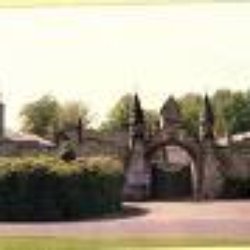
This park is perfect for sunbathing and picnics in the summer, taking your dog for a walk, going for run, or just dandering about the place. If you're interested in doing touristy things, you can find the People's Palace and Winter Gardens a few minutes walk from the entrance where the large archway is. You can also find Nelson's Monument a few minutes from the archway, and the Doulton Fountain is beautiful (close to the People's Palace). Apparently it is the largest terracotta fountain in the world. Particularly pretty when lit up at night. Not too far away from the fountain is the West Brewery so if you fancy a break from the wandering around, there's a lovely beer garden, or you can have a week drink and pretzel to warm you up inside during the winter. For Bonfire night, the council usually organise an awesome fireworks display. One of my tips is to go the West's beer garden for the best view - plus you can munch on hot dogs and drink beer while enjoying the display :) Last tip is for a good 5k run from the archway, keep running along the river into the quieter woodlands path, then cross the bridge across the river into Richmond Park, loop back around, and you have yourself a 5k. As a dog-owner, it's just brilliant to let Sadie off the lead for a run-around. All the other dog-owners I've met in the Green are very responsible and friendly to each other. read more


18 years ago

18 years ago
More info about Glasgow Green
Greendyke Street
Merchant City
Glasgow G1 5
United Kingdom
Directions
Hours
Outdoor Amenities
Review Highlights - Glasgow Green













Why does Yelp recommend reviews?
1 review that is not currently recommended
The reviews below are not factored into the business's overall star rating.

18 years ago


