Foreverglades Photos

You might also consider


More like Foreverglades
Recommended Reviews - Foreverglades
Start your review...



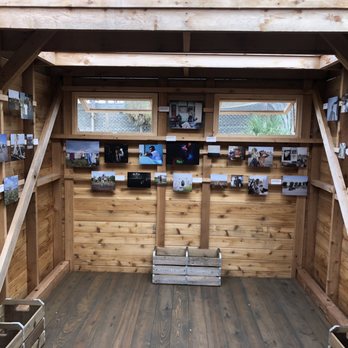
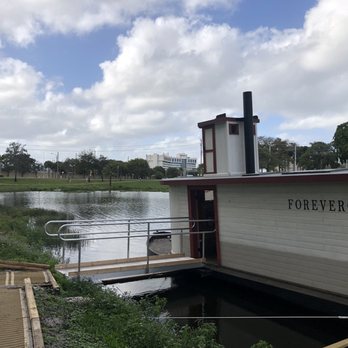
Foreverglades is an art exhibit on a steamboat in Howard Park across from the Kravis Center for the Performing Arts. The tiny pond at the north end of the park the boat is floating on was once the Stub Canal and Turning Basin. It was large enough for barges that carried passengers and produce from Belle Glade, a farming community south of Lake Okeechobee that was settled in 1925 and which provided food for the area. Later on the main crop became sugar and large corporations like Domino Sugar and Florida Crystals changed the land and stopped the flow of water to the Everglades. Boat service from Belle Glade started on May 17,1918 when 5,000 crates of vegetables were transferred to 10 railway freight cars. After a railroad line and highway opened in the 1920's, boat travel to fell out of favor and the 1928 Hurricane destroyed the boat docks. Now all that is left of the large waterway is what looks like a small retention pond with a fountain. Foreverglades is funded by the Knight Foundation, the Florida Department of State Division of Cultural Affairs, and the West Palm Beach Arts & Entertainment District. Photographer Sofia Valiente lived in Belle Glade for five years and her pictures focus mainly on the African-Americans who live and work in Belle Glade. Many of them work on the farms and in the fields despite poverty and the region being hit by floods, drought, and hurricanes. She wanted to show how Belle Glade influenced the growth of this region of Florida. The pictures hang on the walls of a 41 foot replica of a 1920's steamboat that was built in Miami, hauled by truck to West Palm Beach, and placed into the lake by a crane. Sofia chose to show her work in a boat to highlight the link between Belle Glade and the town it helped to grow, West Palm Beach. This exhibit runs until February 2020 and is free. You can access the boat from a walking path that runs around the pond. Photographer Sofia Valiente staffs the exhibit so you can speak to her when you visit. Belle Glade is an area that has been ignored by the rest of the state but it was a place I wanted to know more about. This exhibit made me want to visit and explore it myself. I love the history this exhibit highlights and how it shines a light on an area and people that doesn't attract a lot of attention despite their agricultural contributions to the community. read more