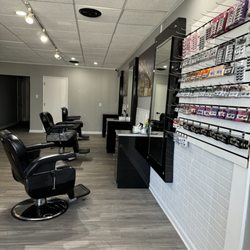
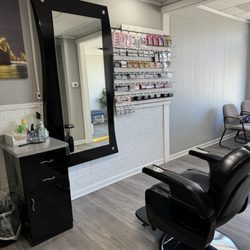
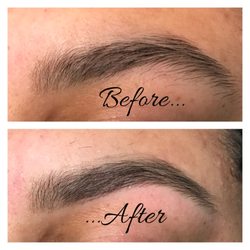
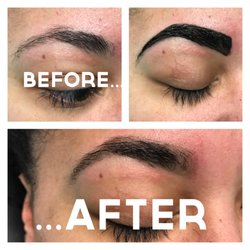
My before-and-after photos speak for themselves…read more
Before The BOB Salon, I had long, healthy, full, bright blonde hair. Over the course of seven months and repeated color appointments, my hair gradually became muddy and ashy while breakage and loss of fullness slowly progressed. Because the color changed gradually and the breakage happened over time, I didn't realize the extent of the damage until it had become significant.
When I raised my concerns, I asked for a refund. Instead, management pushed for a complimentary blonding service and conditioning treatment. I explained that I was nervous to trust the salon with my hair again, but after getting nowhere with my refund request, I agreed in good faith, hoping they would make things right. I should have trusted my intuition. The complimentary service left me with even more breakage, and I was disappointed with the quality of the highlights themselves. After that appointment, I had no choice but to cut off a substantial amount of length and return to brunette. I've invested a lot of money on corrective color, haircuts, repair treatments, masks, and supplements in an effort to restore my hair.
The worst part of my experience wasn't just the damage--it was how the salon handled my concerns. Each time I raised them, I felt management shifted the blame back onto me instead of taking accountability. They later claimed I had "refused styling," suggesting they couldn't properly assess my hair after the complimentary service. That wasn't my experience. I received the blowout I requested--I simply declined a specific type of curls because they weren't my preferred style. To me, that reflected a pattern of shifting responsibility rather than addressing my concerns.
A no-refund policy may make sense when someone simply doesn't like their hair. Damage is different. I believe situations involving damage deserve accountability, not blame. Despite my efforts to communicate professionally and resolve this privately, the salon ultimately responded through legal counsel instead of working toward a fair resolution. From my perspective, that felt like an extreme response to a client who was simply asking the salon to stand behind their work.
The true measure of a salon isn't how it treats clients when everything goes right--it's how it responds when something goes wrong. My experience was that when I raised legitimate concerns, the focus shifted to protecting the salon rather than helping the client.
My before-and-after photos tell the rest of the story.