
DeBary Hall Historic Site
DeBary Hall Historic Site Photos
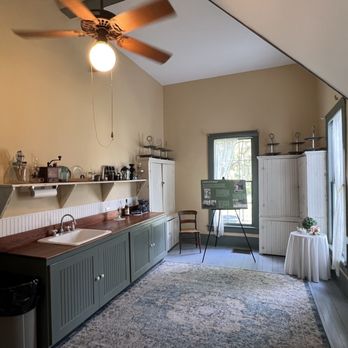


More like DeBary Hall Historic Site
Recommended Reviews - DeBary Hall Historic Site
Start your review...


Reviews With Photos


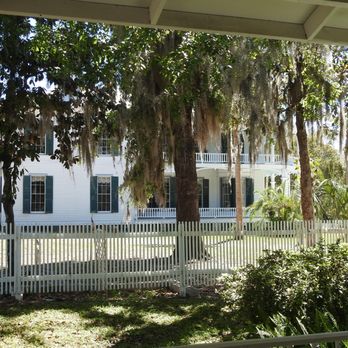
A pleasant little cottage Frederick DeBary wasn't just a rich man, he was a very, very rich man. His main home was in NYC and he hung out with guys with the names of Vanderbilt and Astor among others. His buddies were among the richest and most aristocratic in the world. Mr DeBary visited Florida to go hunting one winter and decided he loved the place. So he did what any sensible very rich person would do, he bought a whole bunch of land and built a beautiful home. A hunting lodge as he called it. He started a very successful steamboat company on the St John's River and invested in citrus crops and like many ambitious rich guys he made even more money. He had so much money he didn't know what to do with it. So he invited all his rich buddies to come and vacation with him down in his "modest" Florida home. His parties, hospitality and entertainment became legendary and soon all the very, very rich people in NYC and other places were regular guests. Atlas, all things must end and the DeBary line came to an end with the tragic early death of his daughter. But fortunately his hunting lodge remains to remind people today what it was like back then for the filthy rich and the people that served them. The tour of the house is only five bucks and you get to see the lovely home and get lots of cool information and stories from a very pleasant docent. One of the best parts of the tour is the cool interactive movie of a steamboat trip down the St John's River. The seats actually move as if you were actually on a steamboat. This house is lovely but certainly not the unbelievable opulence and cupidity of the Newport Mansions that the Vanderbilts and Astors constructed. A relatively modest but still grand and stunning home. A great tour and very cool grounds that lets you be a brief voyeur into the life of the very, very wealthy.
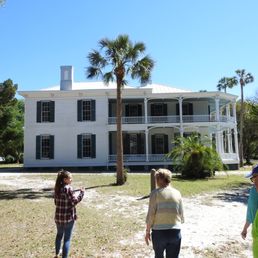

This is a wonderful historic tour of the old DeBery Hunting Lodge. Our Docent/guide, Nancy gave us a great tour of the house and a brief film about the St. Johns River. The house is full of historical artifacts, paintings, dolls and furniture that the VERY wealthy DeBary enjoyed during their time in residence. The senior price of $4 was very reasonable for a wonderful trip back in time.


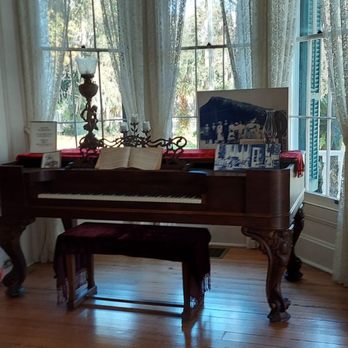
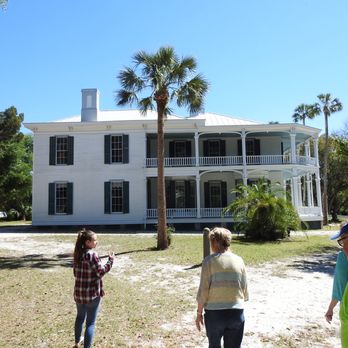
I recently had the opportunity to tour the historic 19th century DeBary Hall. The 20 room, Italianate style hunting lodge was located a mile from the St. John's River. The property was listed on the National Registry of Historic Places on July 24, 1972. DeBary Hall is the oldest intact building in southwest Volusia County. This historic site sits over 10 acres and includes the 8,000 square foot main home, stables, ice house, equipment shed, and tenant house. DeBary Hall was built in 1871 as the winter hunting retreat of Samuel Frederick DeBary (1815-1898), a European-born wine merchant for Mumms Champagne. He chose Florida to help ease his daughters asthma and to indulge in his love of hunting. This was the smallest of his six homes. While this may have been a vacation retreat, he still used it to make money. While in residence he operated a 600 acre citrus grove. He built a packing house beside the lake pier and was one of the first citrus growers to sort oranges by size by rolling them down an inclined trough with variously sized holes. He also developed the DeBary Merchants Line which ran a commercial steamboats for trade up the St. John's River to Jacksonville. German born Samuel Frederick DeBary was one of the wealthiest men of his day. His estate was a center of sport hunting and hospitality. In the late 1800's and early 1900's DeBary entertained Presidents Ulysses S. Grant and Grover Cleveland; the Astors, Goulds, and Vanderbilts, General William Tecumseh Sherman, and the Prince of Wales before he became King Edward VII. Popular activities included swimming in the local springs, fishing, and hunting quail, deer, and alligator. The DeBary's used the hall as their family winter retreat until 1941, when the last American ancestor, Leonie DeBary Lyon Brewster, died without an heir at the age of 31 in a plane crash with her husband. Her brother Adolphe met a tragic end at the age of 23 in New York while saving a young lady from being hit by a taxi. After Leonie's death there were plans was to create a grand subdivision in the 1950's and land was parceled out in 1/2 acre plots to begin Debary Village but it went bankrupt a few years into the project. After that DeBary Hall passed through various hands as the house was left to decay and the furnishings lost. The State of Florida purchased DeBary Hall in 1967. After years of abandonment, people came together in the 1990's to restore the home to its former glory. The State of Florida now leases the historic site to the County of Volusia as a historic house museum. The home has few original pieces but there are other period furnishings representative of what would have been accurate for the time. Unique advanced features of the house for the time include an elevator for guests' luggage, running water through a 500-gallon tank in the ceiling, wall fed electricity made onsite by natural gas, a wired call system throughout the entire house, and a lightning protection system that covered the roof. The house had Florida's first spring-fed swimming pool which used a pump to fill and drain the pool each day. Mr. DeBary also had the bathroom moved indoors which was not common for the time. Later on family members added indoor plumbing. The house also has an almost unheard of feature in Florida, a basement! My admission was only $5. I came late in the day and was lucky to receive a private tour from Ed who was so kind and knowledgeable. I learned do much about the DeBary family and the history of this area. A visit starts with a 15 minute movie about the history of the St. John's River during which you take a simulated steamboat ride. After the movie I was given an informative tour of both floors of DeBary Hall. In February they have an annual Living History Day that I would love to come back for next year. I highly recommend a visit DeBary Hall if you are in the area. A big thanks to the community for saving this historical gem for everyone to enjoy. DeBary Hall is a stop on the Lake Monroe-Gemini Springs-DeBary Hall trail. The Spring to Spring Trail is so named because the 6.6 mile trail links a number of state and county parks that contain springs. Be sure and check out some of the beautiful springs if you visit the area. read more




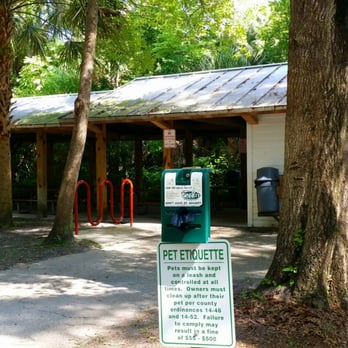
We came here on a Friday afternoon and took the tour with Ann. The tour took about an hour and a half and we walked some of the grounds and toured the house upstairs and downstairs. We learned so much about the history of Mr DeBary his family and his vacation hunting home. There's also a short 15 minute movie with rotating seats! Prices are very reasonable $4 for seniors and $5 for adults. Kids $2. Although I think the kids may be a little bored. But each year they do offer a History Day that sounds amazing check the website. A must see if you're in the Sanford area. Across the street is Gemini Springs a beautiful Park where you can stroll through the woods or a long the beautiful springs. Pet friendly with dog park and kids area. read more




2 years ago


3 years ago

5 years ago

14 years ago
A pleasant little cottage Frederick DeBary wasn't just a rich man, he was a very, very rich man. His main home was in NYC and he hung out with guys with the names of Vanderbilt and Astor among others. His buddies were among the richest and most aristocratic in the world. Mr DeBary visited Florida to go hunting one winter and decided he loved the place. So he did what any sensible very rich person would do, he bought a whole bunch of land and built a beautiful home. A hunting lodge as he called it. He started a very successful steamboat company on the St John's River and invested in citrus crops and like many ambitious rich guys he made even more money. He had so much money he didn't know what to do with it. So he invited all his rich buddies to come and vacation with him down in his "modest" Florida home. His parties, hospitality and entertainment became legendary and soon all the very, very rich people in NYC and other places were regular guests. Atlas, all things must end and the DeBary line came to an end with the tragic early death of his daughter. But fortunately his hunting lodge remains to remind people today what it was like back then for the filthy rich and the people that served them. The tour of the house is only five bucks and you get to see the lovely home and get lots of cool information and stories from a very pleasant docent. One of the best parts of the tour is the cool interactive movie of a steamboat trip down the St John's River. The seats actually move as if you were actually on a steamboat. This house is lovely but certainly not the unbelievable opulence and cupidity of the Newport Mansions that the Vanderbilts and Astors constructed. A relatively modest but still grand and stunning home. A great tour and very cool grounds that lets you be a brief voyeur into the life of the very, very wealthy. read more




5 years ago

10 years ago
This is a wonderful historic tour of the old DeBery Hunting Lodge. Our Docent/guide, Nancy gave us a great tour of the house and a brief film about the St. Johns River. The house is full of historical artifacts, paintings, dolls and furniture that the VERY wealthy DeBary enjoyed during their time in residence. The senior price of $4 was very reasonable for a wonderful trip back in time. read more


11 years ago
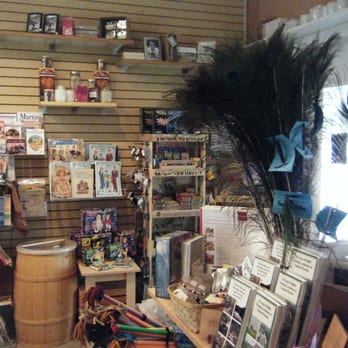
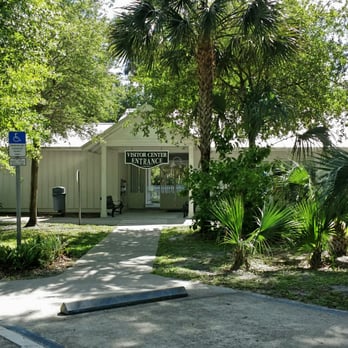
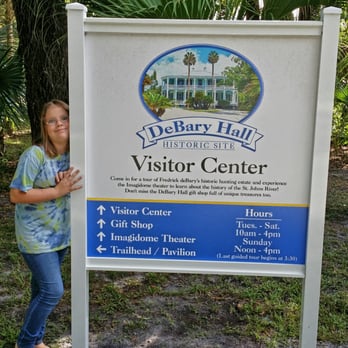
Such wonderful history here at Debary Hall. Your visit will start out in the gift shop where you can purchase a tour/entry into the historic mansion. Admission is $5 for adults and $2 for children. Tour guides are on hand and ready to go as soon as you are. They leave out on an "as needed" basis. You'll start the tour in an auditorium with a floor that moves to make you feel like your floating down the St Johns River. There, you'll learn the history of Florida's steamboat industry and a little about the Debary Family. Next, your tour guide will tell you about the property. How and why Mr. Debary came to Florida and all about the land your standing on. Inside the mansion, it's like your stepping back in time. The furniture, flooring, art work, and technologies from that era, are well preserved. I couldn't get enough of letting my imagination run wild and picture what it was like to be a wealthy guest in Mr. Debary ' s mansion. Beware, once inside the home, there are no pictures allowed. Also, some speculate that the mansion is haunted. Several guests have reported seeing a ghost of a little girl in an upstairs bedroom. read more




10 years ago
More info about DeBary Hall Historic Site
Ask the Community - DeBary Hall Historic Site
Review Highlights - DeBary Hall Historic Site





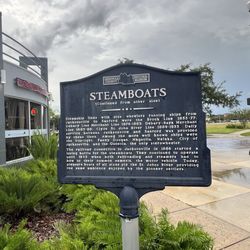


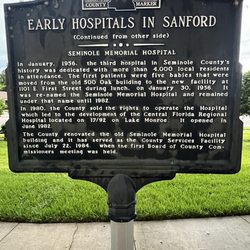
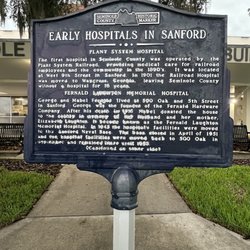






DeBary Hall Historic Site - landmarks - Updated October 2026
Best of DeBary
Service Offerings Nearby
People found DeBary Hall Historic Site by searching for…
Abandoned Buildings in DeBary, FL
Places to Take Pictures in DeBary, FL
Historical Tours in DeBary, FL
Things to Do on a Rainy Day in DeBary, FL
Police Departments in DeBary, FL
Fun Things to Do at Night in DeBary, FL
Historical Sites in DeBary, FL
Historic Restaurants in DeBary, FL
Trending Searches in DeBary, FL
Apple Orchards near DeBary Hall Historic Site
Apple Picking near DeBary Hall Historic Site
Attraction Farms near DeBary Hall Historic Site
Beautiful Views near DeBary Hall Historic Site
Castles near DeBary Hall Historic Site
Corn Maze near DeBary Hall Historic Site
Costume Store near DeBary Hall Historic Site
Craft Fairs near DeBary Hall Historic Site
Halloween Events near DeBary Hall Historic Site
Haunted Houses near DeBary Hall Historic Site
Hidden Gems near DeBary Hall Historic Site
Historic Restaurants near DeBary Hall Historic Site
Indoor Activities near DeBary Hall Historic Site
Lookout Points near DeBary Hall Historic Site
Men's Clothing near DeBary Hall Historic Site
Photo Spots near DeBary Hall Historic Site
Pick Your Own Farms near DeBary Hall Historic Site
Places To Take Pictures near DeBary Hall Historic Site
Places To Visit near DeBary Hall Historic Site
Public Art near DeBary Hall Historic Site
Pumpkin Farm near DeBary Hall Historic Site
Pumpkin Patches near DeBary Hall Historic Site
Scenic Night View near DeBary Hall Historic Site
Scenic Overlook near DeBary Hall Historic Site
Browse Articles
Browse Nearby
BEST of DeBary, Florida Restaurants near DeBary Hall Historic Site
BEST of DeBary, Florida Coffee near DeBary Hall Historic Site
BEST of DeBary, Florida Things to Do near DeBary Hall Historic Site
BEST of DeBary, Florida Parks near DeBary Hall Historic Site
BEST of DeBary, Florida Breakfast near DeBary Hall Historic Site
BEST of DeBary, Florida Hiking near DeBary Hall Historic Site
BEST of DeBary, Florida Hotels near DeBary Hall Historic Site
Browse Brands
Related Searches in DeBary, FL
Best Lookout Points to Visit in DeBary, Florida
Best Nature Trails for Hiking in DeBary, Florida
Best Observation Deck Views in DeBary, Florida
Book Engaging Historical Tours in DeBary, Florida
Discover Charming Historic Homes in DeBary, Florida
Discover Famous Monuments in DeBary, Florida
Discover Historic Sites and Places in DeBary, Florida
Discover Popular Landmarks in DeBary, Florida
Discover Popular Photo Spots in DeBary, Florida
Discover Stunning Skyline View Spots in DeBary, Florida
Discover Top Nature Parks to Visit in DeBary, Florida
Discover Top Points of Interest in DeBary, Florida
Discover Top Scenic Spots to Visit in DeBary, Florida
Discover the Best Military Museum in DeBary, Florida
Enjoy the Best Walking Trails in DeBary, Florida
Explore Beautiful Botanical Gardens in DeBary, Florida
Explore Beautiful Castles and Landmarks in DeBary, Florida
Explore Beautiful Parks and Green Spaces in DeBary, Florida
Explore Children's Museums Near DeBary, Florida
Explore Fun Field Trips in DeBary, Florida
Explore Popular Scenic Drives Around DeBary, Florida
Explore Popular Scenic Views Near DeBary, Florida
Explore Popular View Points Around DeBary, Florida
Explore Secret Spots Worth Visiting in DeBary, Florida
Explore Top History Museums in DeBary, Florida
Explore Venues & Event Spaces in DeBary, Florida
Explore the Top Car Museum in DeBary, Florida
Find Beautiful Views in DeBary, Florida
Find Top Art Museums in DeBary, Florida
Find the Best Bridge Spots in DeBary, Florida
Find the Best Playgrounds to Visit in DeBary, Florida
Great Things to See and Do in DeBary, Florida
Must-See Tourist Attractions Around DeBary, Florida
Plan a Scenic Drive Route Near DeBary, Florida
Popular Picnic Spots to Visit in DeBary, Florida
Popular Places to Take Pictures in DeBary, Florida
Popular Places to Walk Around in DeBary, Florida
Popular Things to Do in DeBary, Florida
Popular Things to See in DeBary, Florida
Top Hiking Trails to Explore in DeBary, Florida
Top Museums for Kids to Visit in DeBary, Florida
Top Places to Visit in DeBary, Florida for Sightseeing
Top-Rated Plantation Tours Near DeBary, Florida
Tour Famous Lighthouses Located in DeBary, Florida
Tour Popular Historical Sites in DeBary, Florida
Visit Beautiful Gardens in DeBary, Florida
Visit Popular Museums in DeBary, Florida Now


