Cancel

    Open app

    Search

    Croqueta Crawl

    4.8 (4 reviews)

    Croqueta Crawl Photos
    Recommended Reviews - Croqueta Crawl

    Your trust is our priority, so businesses can't pay to alter or remove their reviews. Learn more about reviews.
    Yelp app icon
    Browse more easily on the app
    Review Feed Illustration

    15 years ago
    Helpful 4
    Thanks 0
    Love this 6
    Oh no 0

    15 years ago
    Helpful 2
    Thanks 0
    Love this 5
    Oh no 0

    15 years ago

    Helpful 5
    Thanks 0
    Love this 11
    Oh no 0
    Photo of RJ F.
    3
    72
    51

    15 years ago

    Helpful 1
    Thanks 0
    Love this 0
    Oh no 0

    Verify this business for free

    People searched for Local Flavor 574 times last month within 5 miles of this business.

    Verify this business

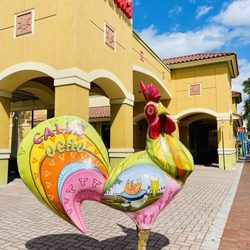
    Little Havana - Chicken sculpture

    Little Havana

    4.7(41 reviews)
    2.2 miLittle Havana

    More like 4.5 stars. I like Little Havana. I really don't come here very often. In fact, I have…read morebeen more on the west side of 8th Street compared to Little Havana. I find the Little Havana area to be charming. There are some nice restaurants in this area. I got to eat at Ciao Havana and was happy eating there. There is Old's Sandwich near there. That looked really good. I would like.to.eat there at some point. I like this area because of the history. I walked by a barber shop and saw how busy it was and how the barbershop seemed to be taking pride in their work. That is so nice to see. I look forward to coming back to this area. It is a nice break from Broward where I live.

    Review #1,000 The…read morefinale to our Miami tour, booked to kill time before heading to the airport. This was the day that we disembarked from our Caribbean cruise. After Cuba's fall to Fidel Castro, Miami received an influx of Cuban migrants, some 150,000 at the time. And this community became their hub. We were tantalized by our tour bus guide's verbal preparations of his Cuban heritage found here, especially the Cuban coffee. Lunch at the popular Cuban restaurant La Esquina de La Fama, our first stop, delivered on the Cuban coffee hype. As did the mojitos for some, which they're probably most famous for. Then other than the guide's walking tour option to the nearby Cuban cigar factory which we passed on; we had toured a similar hand rolled cigar factory in the Dominican Republic. So we were now free to explore on our own. Colorful murals, especially in what is known as Art Park, surround you. Nearby Domino Park is open to the public, but playing dominoes there is reserved only for the local elderly. But feel free to stroll around the various games going on. There is also a very popular ice cream parlor that came highly recommended but we passed on it. And per the guides strong protest to please avoid/tongue-in-cheek, the McDonald's smack dab in the midst of it all, that advice went unheeded by more than a few lol. My wife crossed the street to check out a small strip mall, joining another group of tourists headed that way. While I remained in a cool shaded spot to avoid the encroaching Miami humidity. Oh, and if you feel a need for a bit more positivity in your life, try rubbing one of the large chickens, you can't miss them, for "good luck" they say. Little Havana, a nice way to kill some time when in town.

    Photos
    Little Havana - January 2024

    January 2024

    Little Havana - 02.19.23

    02.19.23

    Little Havana

    See all

    French Normandy Village

    French Normandy Village

    4.7(3 reviews)
    1.9 mi

    George Merrick is the founder of the City of Coral Gables. His family came to Miami from PA two…read moreyears after Henry Flagler brought the railroad to Florida. It was the dawn of the development of Florida. George Merrick attended Rollins College in Winter Park and in 1922 he meticulously planned Coral Gables. The houses were so well made that they survived hurricanes before there were building codes and his architecture was so charming that Coral gables is called the city beautiful. He also created the University of Miami. At first he wanted his buildings to be strictly Spanish and later Mediterranean style. Eventually he expanded his vision to include seven unique villages inspired by different international influences. The villages were built during the land boom years in the 1920's. It was a joint venture between Merrick, The American Building Company and former Ohio Governor Myers Cooper. The original plan was for more 1,000 residences in a series of villages based on architecture from around the world. The plan was never fully realized when the housing boom crashed from two hurricanes followed by the Great Depression. In the end only seven villages were built including this French Normandy Village. By 1928 George Merrick was forced out of the city he founded and ended up in the Keys. He returned to the city two years before he died to serve as postmaster. You can learn more about George Merrick by taking a tour of his family home in Coral Gables. The French Normandy village is based on a 15th century French Village. It is one of three of Merrick's villages that showcases different periods of French architecture. Architects John and Coulton Skinner built the eleven townhouses that make up this village between 1926 and 1927. The townhouses are characterized by hollow tile, poured concrete, and white stucco are crisscrossed with half timbering and topped by flat, shingled, gabled roofs. The grounds have traditional kitchen gardens, enclosed courtyards, and open-air porches. The village is bounded by LeJeune Road, Viscaya Court, Viscaya Avenue, and Alesio Avenue. In 1935 all of the French Normandy townhouses were purchased by the University of Miami to use as men's dormitories. During World War II, they were used as barracks for soldiers. Today they are all privately owned. The homes in the villages are some of the most sought after residences in the Gables. They rarely go up for sale and are always in high demand. Today there are 80 homes left. Expect to pay close to a million for a French Normandy residence. Once you see these beautiful homes you can easily understand why they are so coveted.
    Another great excursion during your staycation or if you're visiting something other than the…read morebeach! This "village" was built in 1926-1927, and was designed by architects John and Coulton Skinner. They are supposed to resemble a 15th century French village. It's difficult to see much beyond the white stuccoed walls as you walk around the block. However, the profusion of flowers is amazing with wisteria and bougainvillea. The connected houses were not always privately owned. In 1935, the Village was sold to nearby University of Miami and served as homes to five fraternities. Next, during World War II like most of the iconic Art Deco hotels in South Beach, they were used to house soldiers here for training.

    Photos
    French Normandy Village - Is this French enough for you? do you like my car?

    Is this French enough for you? do you like my car?

    French Normandy Village
    French Normandy Village

    See all

    French Country Village

    French Country Village

    4.5(2 reviews)
    3.2 mi

    George Merrick is the founder of the City of Coral Gables. His family came to Miami from PA two…read moreyears after Henry Flagler brought the railroad to Florida. It was the dawn of the development of Florida. George Merrick attended Rollins College in Winter Park and in 1922 he meticulously planned Coral Gables. The houses were so well made that they survived hurricanes before there were building codes and his architecture was so charming that Coral gables is called the city beautiful. He also created the University of Miami. At first he wanted his buildings to be strictly Spanish and later Mediterranean style. Eventually he expanded his vision to include seven unique villages inspired by different international influences. The villages were built during the land boom years in the 1920's. It was a joint venture between Merrick, The American Building Company and former Ohio Governor Myers Cooper. The original plan was for more 1,000 residences in a series of villages based on architecture from around the world. The plan was never fully realized when the housing boom crashed from two hurricanes followed by the Great Depression. In the end only seven villages were built including this Italian Village. By 1928 George Merrick was forced out of the city he founded and ended up in the Keys. He returned to the city two years before he died to serve as postmaster. You can learn more about George Merrick by taking a tour of his family home in Coral Gables. Built between 1925 and 1926, the French Country Village was inspired by 18th-century rural French provincial farmhouse estates and chateauxs. There are two different style of architecture. Architect Frank Forster designed country homes and farm buildings and architects Edgar Albright and Philip L. Goodwin designed a rustic chateaux style of home. They were all built in the country style and they have have spacious yards and gardens. Design elements include steeply-pitched roofs, turrets, carved wood and wrought-iron balconies, red brick, and tall ceilings. You can find them on the 500 block of Hardee Road. When you see this neighborhood you feel like you stepped into Disney's Beauty and the Beast. Belle sings there must be more than this provincial life but I would be quite happy here. Since there are only 12 homes the demand for them is extremely high. When they do hit the market the price is over 2 million if you could even be lucky enough to get one.

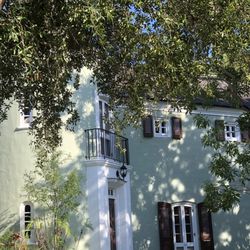
    See my other reviews there are a few "villages" in Coral Gables to depict different styles from…read morearound the world, this area is French country. See below for some information. French Country Village On the 500 block of Hardee Road are homes inspired by 18th century rural French architecture. This thematic district has two evident styles. Architect Frank Forster designed the farm styled homes, while architects Edgar Albright, and Phillip L. Goodwin designed the homes that are more rustic in style. I came for a drive around during covid - and definitely saw "French architectural styles" from the car, check out my pictures and you decide!

    Photos
    French Country Village
    French Country Village
    French Country Village - So gorgeous

    See all

    So gorgeous

    The Bodhi Wishtree

    The Bodhi Wishtree

    5.0(3 reviews)
    5.6 miBuena Vista

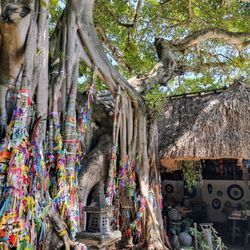
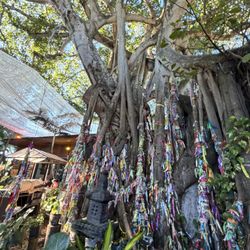
    Super cute and a nice photo op too. This 120 year old Banyan tree is a central inside the cute and…read morelush Upper Buena Vista, a sanctuary that offers local independent shops, and cute restaurants. This tree is known as is "the Bodhi Wish tree." Adorned in colourful ribbons. This tree is reputed to have special magnetic and spiritual values. An ancestral Asian tradition suggests that writing a wish on a ribbon and tying it to the tree could lead to eternal blessings. If you look closely at the ribbons, you'll find that each one carries a special wish! Upper Buena Vista partners with non-profit One Tree Planted, which plants trees in North America, Latin America, Africa, Asia, Europe and the Pacific to support reforestation and preservation of nature. So, purchase a ribbon, write your wish and there will be a tree planted in your honour.

    I love a historic tree so much that I even have a collection on Yelp. I discovered the Bodhi…read moreWishtree on a recent visit to Upper Buena Vista. The Bodhi Wishtree is a 120 year old banyan tree located in Upper Buena Vista retail and dining development which was actually designed around it. The tree is said to have spiritual and magnetic properties. According to Asian tradition you can write a wish on a ribbon, tie it to the tree, and receive eternal blessings. Ribbons used to be sold by the The House of Findings for a $1 donation given to the non profit One Tree Planted foundation that seeks to support reforestation in four continents. The House of Findings is currently closed except for appointments so I'm not sure how they are handling ribbon sales now. The tree is the centerpiece of the Upper Buena Vista complex providing shade, shelter, and positive energy to visitors. Beneath the tree is a giant colorful Pinocchio sculpture. Tons of people were getting their picture taken in front of the tree and it is the perfect backdrop for an Instagram shot of one of the amazing drinks from Amazonica.. Upper Buena Vista is such a cool place and the Bodhi Wishtree is front and center of all of the fun.

    Photos
    The Bodhi Wishtree
    The Bodhi Wishtree
    The Bodhi Wishtree

    See all

    Wynwood Walls - Wynwood Walls_Sanju-5

    Wynwood Walls

    4.6(1.4k reviews)
    4.1 miWynwood

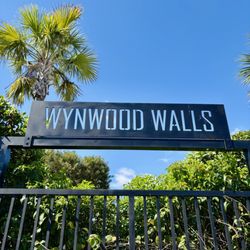
    When visiting Miami this area is definitely worth adding to your list. It's literally a graffiti…read morefilled street art open air gallery filled with colorful, creative works on every corner and alleyway. They're plenty of eateries and shops to step inside and cool off and recharge along the way. You can easily spend half and day just taking it all in. They also offer guided tours but we chose to experience it at our pace. If staying downtown or just passing through this would defined be a must do to get a glimpse of the Miami culture, food and vibe. Definitely one of the highlights of our trip.

    During my previous two visits to Miami, I'm not sure why I never made it here. While researching…read morenew places for this trip, the moment I saw a picture of Wynwood Walls, I knew I had to experience it in person. It is a world-renowned outdoor museum featuring, massive, constantly rotating, and vibrant street art from global artists. Founded in 2009, this walkable, family-friendly destination is surrounded by over 70 art galleries, boutiques, and cafes in the Wynwood Arts District. Wynwood is the street art district of Miami and possibly the most colourful neighbourhood in the world. Every single wall is a new experience. The talent, the detail and the bright, bold colors - amazing! Wynwood is a neighborhood just north of Downtown Miami and in between the two freeway bridges to South Beach. It was an industrial area for years, but developers revamped the place and now the warehouse buildings draw tourists in from all over the world to see the beautiful art. It was previously known as Little San Juan (El Barrio) because many people from Puerto Rico lived there, but since the area has been gentrified, it is less so. Parking: my suggestion, Park at 'Artem Apartments Garage/ Premium Parking - P2515' and walk 10 minutes.

    Photos
    Wynwood Walls - Wynwood Walls_Sanju-3

    Wynwood Walls_Sanju-3

    Wynwood Walls - Broken glass art

    Broken glass art

    Wynwood Walls - Wynwood walls

    See all

    Wynwood walls

    The Hurricane Man

    The Hurricane Man

    3.5(2 reviews)
    1.3 miCoconut Grove

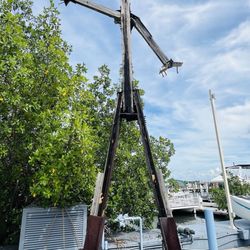
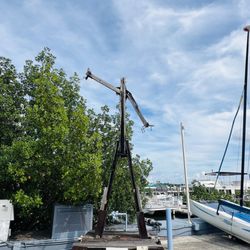
    You could easily pass this wooden art man and not take notice of it. I was taking a stroll along…read moreBiscayne Bay from Bayshore Landing and on my way back I finally noticed him and that he had a name, Hurricane Man. Hurricane Man made his debut at the Miami International Boat Show in 2018. He was constructed by Harry Hogan, founder of Shake A Leg Miami, from the remains of the sailing dock that was destroyed by Hurricane Irma on September 10, 2017. Shake a Leg is the largest community watersports program in South Florida. It offers sailing, boating, and kayaking programs for children, adults, veterans, and people with disabilities. Hurricane Man was created to symbolize recovery and growth. Maybe he is a good luck talisman too. Since he has been standing watch at Biscayne Bay, South Florida has not been hit by any major hurricanes.

    An unusual sculpture entitled "Hurricane Man" was originally on display at the Miami International…read moreBoat Show. The figure is made from the wreckage of the docks of Shake A Leg Miami, which were destroyed when Hurricane Irma plowed through Florida on September 10, 2017. Designed by Harry Horgan, founder of Shake-A-Leg Miami, Hurricane Man is a poignant symbol of recovery and new possibilities in the aftermath of the terrible storm. You will find this little fellow on display more or less opposite Montys - a cool spot to take a picture of and show your kids. (https://communitynewspapers.com/biscayne-bay/hurricane-man-sculpture-on-display-at-miami-international-boat-show/)

    Photos
    The Hurricane Man
    The Hurricane Man
    The Hurricane Man

    See all

    Segovia Traffic Circles Sculptures - Located on the roundabouts near the golf course and also the original old walls

    Segovia Traffic Circles Sculptures

    4.5(4 reviews)
    2.0 mi

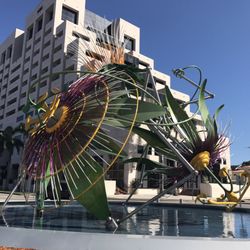
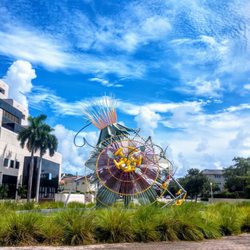
    Coral Gables is known for it's numerous plazas, entrances, and fountains from 1920's. That's why I…read morefind it so interesting to see what current works of art are being added. Anything new needs to harmonize with the beautiful features that George Merrick added in when he created the city. In 2014 the city approved two sculptures to be installed at the traffic circles along Segovia Street. They were designed by New York-based artist and sculptor Alice Aycock. The two installations are the first public art pieces to be added since George Merrick was alive. The sculptures are inspired by the passion flower and are constructed of more than 4,000 pieces of metal. The two sculptures are different. The sculpture on Biltmore is larger and has two flower designs. The Coral Way sculpture is designed to mimic a flower flowing in the breeze. More than 180 submissions were judged before a panel selected Aycock's design. The flowers have received mixed reviews from the community. Many feel that the modern art is not in keeping with the look of the city. A group of residents tried to have the sculptured removed but did not muster enough signatures for the ballot. Some of the complaints are that the sculptures are not Mediterranean and that accidents have increased at the traffic circles since the sculptures were installed. Others complain bitterly that they are not even able to choose a paint color for their house yet the city has moved away from the Mediterranean look of the city without consulting them. The city has decided to keep the sculptures despite the protest of some people who do not care for the look of modern art in their 1920's Mediterranean Revival city.

    Interesting new metal art located near the golf course and situated on two roundabouts. There are…read moretwo pieces one on each roundabout - They are passions flowers. Other people here have told the history about them so I will leave it at that. However what I did read about on the net and thought was amusing - was some local residents were not very happy with them, thinking they did not represent Coral Gables mediterranean image, so they started a petition to get them remove. They did get over a thousand signatures but no where near enough to make an impact and get them removed. Looks like they are here to stay. I was not too keen when I first saw them and had a little chuckle to myself as the largest one is situated in front of a plastic surgery office (HE HE)...(apt? - you decide). However after walking around and actually really looking at them, the location, the area, they started to grow on me!...Let me know what you think - when you go for a look!

    Photos
    Segovia Traffic Circles Sculptures - Located on the roundabouts near the golf course and also the original old walls

    Located on the roundabouts near the golf course and also the original old walls

    Segovia Traffic Circles Sculptures - Located on the roundabouts near the golf course and also the original old walls

    Located on the roundabouts near the golf course and also the original old walls

    Segovia Traffic Circles Sculptures - First one! Passion fruits (these are the vine's flowers) seem to be the rage here in Miami! :)

    See all

    First one! Passion fruits (these are the vine's flowers) seem to be the rage here in Miami! :)

    Croqueta Crawl - localflavor - Updated May 2026

    Loading...
    Loading...
    Loading...