Cornwall Iron Furnace Photos


More like Cornwall Iron Furnace
Recommended Reviews - Cornwall Iron Furnace
Start your review...


Reviews With Photos


My hubbys mother was raised in the area. Her father worked in the mines. I'm telling you this was an awesome tour. If this is part of your history or heritage you need to come check this out! Pat our guide was so very knowledgeable and shared so much! This is a go to stop if your in the area. Better yet add it to your vacation plans!


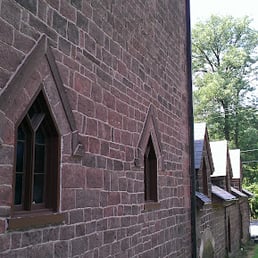
While I was going to write something more first person about this place's history I gave up and said screw it because the below blurb from their website is an excellent condensed history of what transpired here and why this site still matters in a historical context. "Cornwall Iron Furnace is an extraordinary example of the furnaces that dotted the Pennsylvania countryside in the 18th and 19th centuries. Around it developed villages, artisans' shops, stores, schools, churches, and the home of a wealthy ironmaster. All of the raw materials necessary for the smelting process -- iron ore, limestone and wood for charcoal were found in this self contained iron plantation. Cornwall Iron Furnace, the only surviving intact charcoal cold blast furnace in the Western Hemisphere, attests to the once great iron industry that flourished in south central Pennsylvania. In the 1730s, Peter Grubb, a stone mason, began mining nearby. In 1742, he established the furnace. He named the area Cornwall in honor of the area in England from where his father had emigrated. This furnace remained in operation until 1883. Although the British Parliament attempted in 1750 to restrict production of iron in the colonies, the output continued to rise. The American colonies, with Pennsylvania being the top producer, smelted one-seventh of the world's iron. When Peter died in 1754, the property passed to his sons, Curttis and Peter. By 1798, Robert Coleman had gained control of the furnace operation. Robert was very successful and became one of Pennsylvania's first millionaires. Cornwall Iron Furnace remained in operation until 1883, when newer furnace operations fueled by anthracite coal made it obsolete. The furnace was abandoned, leaving the building virtually untouched until it was given in 1932 to the Commonwealth of Pennsylvania by Margaret Coleman Freeman Buckingham, Robert's great grand-daughter. In the mid-nineteenth century, Cornwall's iron plantation contained industrial, residential, and agricultural activities. Small villages were created for furnace workers and miners. These stone and brick structures were simple in style but sturdy in construction. Many other structures built during this time period use a Gothic Revival architectural style. The ore mine, which continued to operate until 1973, is located just south of the furnace property. Bethlehem Steel acquired ownership of the mine between 1917 and 1922. Both strip mining and underground mining were used to extract ore from the ground. The open pit mine began to flood in 1972, and today the open pit is filled with water." If you go: The furnace is open for tours Thursday through Saturday from 9-5 and Sunday from 12-5 with the last tour beginning at 3:15 pm each day. Adult admission is $8.00, kids (3-11) $4.00 and seniors/AAA members $7.00 unless you're a PHMC member then it's free. There are set times for when tours begin. Their website does not list them and I forget when they start but there is a sign on the desk in the visitor center/gift shop. The tour we took lasted around forty-five minutes and that does not include the NPS style video that takes an additional twenty or so minutes and ideally should be seen before the tour starts. Two things worth noting: Number one would be the visitor center/gift shop. The building for this is the old charcoal barn. It's huge and looks amazing. Inside they have a space where the movie is shown, restrooms, various displays and tons of things for sale up to an entire repertoire of cast iron pans. Two is that if you've even been to Hopewell Furnace, which is about an hour east of Cornwall, know that a lot of what you're looking at there is some form of reproduction/the NPS's best interpretation of how things looked/were done. What you're getting with Cornwall is the real deal more or less left in state. This the only 19th century charcoal fueled blast furnaces (out of hundreds if not more) to survive fully intact. While the site does not have Hopewell's square footage what is does offer is to me a far better experience in terms of interpreting/explaining the mining, charcoal making, and iron making process that went on to make Cornwall what it was.

I didn't really know what to expect when we decided to tour an Iron Furnace, but we were in the area so we decided to give it a shot and I'm glad we did. For a small tour fee, I think it was $6 at the time we went, you get a tour which lasts between a half hour to an hour plus a 15 minute video on the history of this particular Iron furnace as well as some "Industrial revolution" general type information. It was neat to watch a video about the furnace we were at, while we were at it. It was a really informative tour, and the guide was knowledgeable about the main points of how the iron ore was produced from its raw materials. By the time I left, I felt confident I could open up my own Iron Furnace; if opening Iron Furnaces was the cool thing to do nowadays, which it isn't as you will learn on the tour. For the age of the building, I was surprised at what great shape it was in. It looks like you could grab some iron out of the hills and start it back into production today if you wanted to. The fact that the building was in such great shape really helped you visualize how it would have operated back in the day. If you are in the area, and into history or "how its made", it's definitely worth the trip.


This is the remains of a revolutionary war forge where they made products to support the continental army. it operated from 1742- 1883 they used wood, iron ore and limestone here. now it belongs to the Commonwealth of Pennsylvania. There is an admission fee of 6.00 per person but you can stroll around at your own pace and take a self-guided tour of the museum.


Wow! If you read the other reviews, they have said it all. This tour took a little more than an hour. The tour guide was very interesting and knowledgable. We had a small group of 6 people. She took the time to answer questions completely.


7 months ago
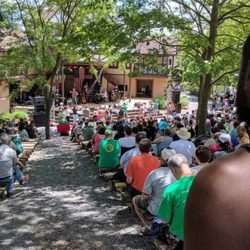
I visited the Cornwall Iron Furnace for the first time during their 345th Charter Day celebration, and I'm so glad I finally made the trip. This historic site had been on my list for a while, and with the beautiful weather and special event happening that day, it felt like the perfect time to go. Interestingly, I had only learned about the iron furnace a few months ago. I've always been fascinated by history especially the processes behind how things were made so visiting a place like this was incredibly intriguing. Seeing such an important piece of industrial history still standing today really makes you appreciate the ingenuity and craftsmanship of the people who built and operated it centuries ago. My group tour started at 12:45 PM and lasted a little over an hour. One thing I really appreciated was that we got to hear from several different volunteer guides throughout the tour rather than just one person leading the entire time. Each guide shared their own knowledge and perspective about different parts of the furnace and its operation. They were all incredibly informative and made the history easy to understand, even if you're not familiar with iron production. By the end of the tour, I honestly felt like I had learned dozens of fascinating facts about early iron-making, the daily lives of the workers, and how complex the entire process was. Workers often had 12-hour shifts to keep the furnace operating, which really highlights the amount of labor and coordination required. Standing inside the furnace structure itself was a unique experience. Even though it was warm outside, it actually felt noticeably cooler inside the building, which was surprising. You could really see the age of the structure and imagine the incredible amount of work that went into building and maintaining it. A few helpful things to know before you visit: Parking: Because of the Charter Day event, we were able to park directly on the property near the furnace building. However, there is also additional parking across the street and slightly down a hill, which requires crossing the road to reach the site. Restrooms are located inside the Welcome Center, where the gift shop is located. These appeared to be the only bathrooms on the property. Visitor tips: *Wear comfortable shoes, as there are stairs involved during the tour. *No food or drinks are allowed during the tour. *Plan to spend about an hour or a little more if you take the guided tour. Overall, this was a really enjoyable and educational experience. It gave me a much deeper appreciation for the hard work, skill, and innovation that went into early American industry. If you enjoy history, learning how things are made, or exploring unique historic sites in Pennsylvania, visiting the Cornwall Iron Furnace is absolutely worth adding to your list. Highly recommend taking the guided tour you'll walk away learning far more than you expect. read more


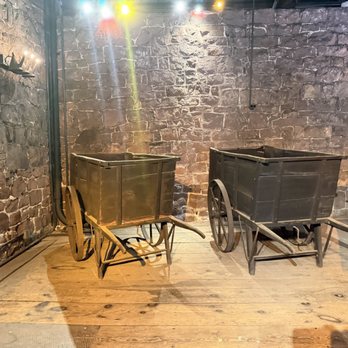
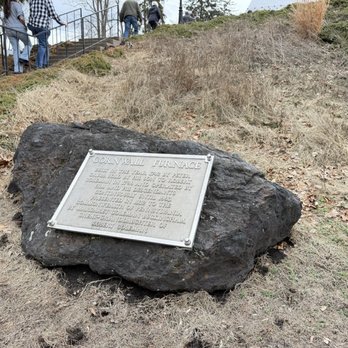

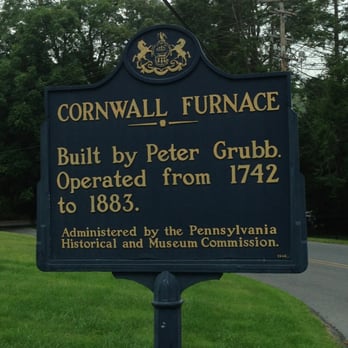
Built in 1742 and in use until 1883, the Cornwall Iron Furnace is "the only surviving intact charcoal cold-blast furnace in the Western Hemisphere." I absolutely love history and history museums and loved everything about it. My girlfriend, 11-year-old son and I visited on a Saturday afternoon on a trip to Harrisburg and Hershey. We took the tour and definitely got our money's worth ($18 for the three of us which included a AAA discount)! Started with a 15 minute video, then a guided tour by Beth which lasted over an hour, during which we got to see the furnace from all angles. Beth was very knowledgeable and also very patient with my son's many questions. The property also boasts a small museum and gift shop in the building that formerly housed the operation's charcoal. The gift shop is excellent. Among other things they have a range of cast iron products, as well as many cookbooks with suggested uses. This was an excellently run museum that I can definitely recommend to others who enjoy American history. read more


1 year ago

3 years ago

4 years ago
My hubbys mother was raised in the area. Her father worked in the mines. I'm telling you this was an awesome tour. If this is part of your history or heritage you need to come check this out! Pat our guide was so very knowledgeable and shared so much! This is a go to stop if your in the area. Better yet add it to your vacation plans! read more


9 years ago
While I was going to write something more first person about this place's history I gave up and said screw it because the below blurb from their website is an excellent condensed history of what transpired here and why this site still matters in a historical context. "Cornwall Iron Furnace is an extraordinary example of the furnaces that dotted the Pennsylvania countryside in the 18th and 19th centuries. Around it developed villages, artisans' shops, stores, schools, churches, and the home of a wealthy ironmaster. All of the raw materials necessary for the smelting process -- iron ore, limestone and wood for charcoal were found in this self contained iron plantation. Cornwall Iron Furnace, the only surviving intact charcoal cold blast furnace in the Western Hemisphere, attests to the once great iron industry that flourished in south central Pennsylvania. In the 1730s, Peter Grubb, a stone mason, began mining nearby. In 1742, he established the furnace. He named the area Cornwall in honor of the area in England from where his father had emigrated. This furnace remained in operation until 1883. Although the British Parliament attempted in 1750 to restrict production of iron in the colonies, the output continued to rise. The American colonies, with Pennsylvania being the top producer, smelted one-seventh of the world's iron. When Peter died in 1754, the property passed to his sons, Curttis and Peter. By 1798, Robert Coleman had gained control of the furnace operation. Robert was very successful and became one of Pennsylvania's first millionaires. Cornwall Iron Furnace remained in operation until 1883, when newer furnace operations fueled by anthracite coal made it obsolete. The furnace was abandoned, leaving the building virtually untouched until it was given in 1932 to the Commonwealth of Pennsylvania by Margaret Coleman Freeman Buckingham, Robert's great grand-daughter. In the mid-nineteenth century, Cornwall's iron plantation contained industrial, residential, and agricultural activities. Small villages were created for furnace workers and miners. These stone and brick structures were simple in style but sturdy in construction. Many other structures built during this time period use a Gothic Revival architectural style. The ore mine, which continued to operate until 1973, is located just south of the furnace property. Bethlehem Steel acquired ownership of the mine between 1917 and 1922. Both strip mining and underground mining were used to extract ore from the ground. The open pit mine began to flood in 1972, and today the open pit is filled with water." If you go: The furnace is open for tours Thursday through Saturday from 9-5 and Sunday from 12-5 with the last tour beginning at 3:15 pm each day. Adult admission is $8.00, kids (3-11) $4.00 and seniors/AAA members $7.00 unless you're a PHMC member then it's free. There are set times for when tours begin. Their website does not list them and I forget when they start but there is a sign on the desk in the visitor center/gift shop. The tour we took lasted around forty-five minutes and that does not include the NPS style video that takes an additional twenty or so minutes and ideally should be seen before the tour starts. Two things worth noting: Number one would be the visitor center/gift shop. The building for this is the old charcoal barn. It's huge and looks amazing. Inside they have a space where the movie is shown, restrooms, various displays and tons of things for sale up to an entire repertoire of cast iron pans. Two is that if you've even been to Hopewell Furnace, which is about an hour east of Cornwall, know that a lot of what you're looking at there is some form of reproduction/the NPS's best interpretation of how things looked/were done. What you're getting with Cornwall is the real deal more or less left in state. This the only 19th century charcoal fueled blast furnaces (out of hundreds if not more) to survive fully intact. While the site does not have Hopewell's square footage what is does offer is to me a far better experience in terms of interpreting/explaining the mining, charcoal making, and iron making process that went on to make Cornwall what it was. read more
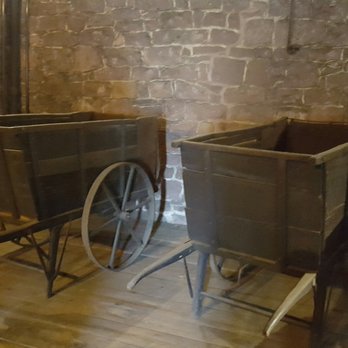


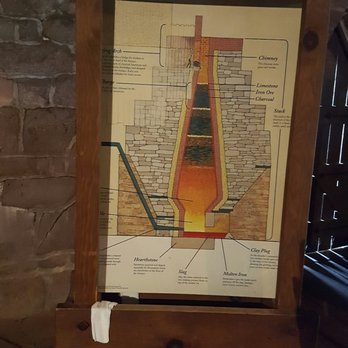

I didn't really know what to expect when we decided to tour an Iron Furnace, but we were in the area so we decided to give it a shot and I'm glad we did. For a small tour fee, I think it was $6 at the time we went, you get a tour which lasts between a half hour to an hour plus a 15 minute video on the history of this particular Iron furnace as well as some "Industrial revolution" general type information. It was neat to watch a video about the furnace we were at, while we were at it. It was a really informative tour, and the guide was knowledgeable about the main points of how the iron ore was produced from its raw materials. By the time I left, I felt confident I could open up my own Iron Furnace; if opening Iron Furnaces was the cool thing to do nowadays, which it isn't as you will learn on the tour. For the age of the building, I was surprised at what great shape it was in. It looks like you could grab some iron out of the hills and start it back into production today if you wanted to. The fact that the building was in such great shape really helped you visualize how it would have operated back in the day. If you are in the area, and into history or "how its made", it's definitely worth the trip. read more
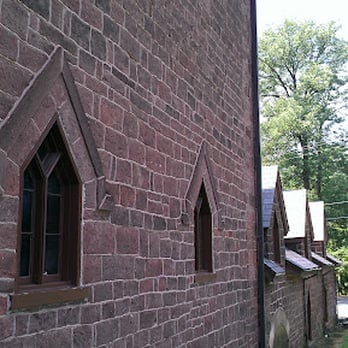


This is the remains of a revolutionary war forge where they made products to support the continental army. it operated from 1742- 1883 they used wood, iron ore and limestone here. now it belongs to the Commonwealth of Pennsylvania. There is an admission fee of 6.00 per person but you can stroll around at your own pace and take a self-guided tour of the museum. read more
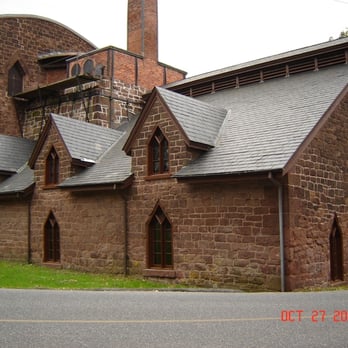


Wow! If you read the other reviews, they have said it all. This tour took a little more than an hour. The tour guide was very interesting and knowledgable. We had a small group of 6 people. She took the time to answer questions completely. read more


5 years ago

15 years ago
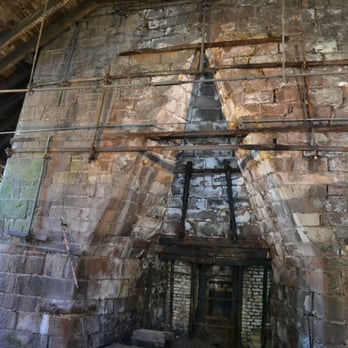
This site is a real gem as the only surviving intact charcoal cold blast furnace from the 19th c. in this country; therefore listed as a Historic Mechanical Engineering Landmark. The architecture/engineering states that this furnace was meant to last the ages. After seeing the video about the history of the furnace, you are led on a tour of the furnace. One of the notable modifications made to the unit during its history is the conversion to steam power from water power. read more


8 years ago
12 years ago
13 years ago