Colosseo Photos
Recommended Reviews - Colosseo
Start your review...


Reviews With Photos


My husband was able to score tickets for the summer night tour of the Colosseum. It was perfect. I can't imagine being able to enjoy it during the day in this heat wave. It was so cool to be able to go underground and be so close to ancient history.


I've always loved reading about Roman history, so finally seeing the Colosseum in person this October was incredible. Even in the "off season," it was busy, which shows how high up the list it is for any visitor. Walking through the structure and looking down into the arena from above, I could really picture the energy of the crowds and the events that once took place there. The Colosseum is huge, up to 50,000 people once packed inside, and it was used for all sorts of public spectacles, not just gladiator fights. I'd recommend taking a guided tour if you can; it helps skip the ticket line and gives context that really adds to the experience. Also, make sure to explore the area around it--the Roman Forum and Palatine Hill are right next door and worth the time. If you're in Rome and even a little curious about history, the Colosseum is absolutely worth seeing. It really brings ancient Rome to life.
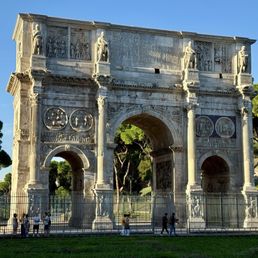

Beginning in the eighth century B.C., ancient Rome grew from a small town on central Italy's Tiber River into an empire that at its peak encompassed most of continental Europe, Britain, much of western Asia, northern Africa, and the Mediterranean islands. Nowhere on Earth captures the spectacle of ancient Rome quite like the Colosseum. Towering above the eastern edge of the Roman Forum, covering more than six acres, the Colosseum remains one of the world's most famous architectural marvels and is considered one of the Seven Wonders of the Modern World, where my partner, our friends, family member, and I were able to obtain 8:30am entry for self-guided exploration of the first and second levels but not to the arena floor where the gladiators fought. The ticket also includes visits to the Roman Forum, the Imperial Forum, and the Palatine Hill. Upon arrival, as one walks around the outside, one senses how huge it is, measuring approximately 620 feet in length, 513 feet in width, and over 160 feet in height, with an efficient network of arches, corridors, and staircases to accommodate rapid filling and evacuation for more than 50,000 people. To enter, one must arrive 15 minutes before the time specified on the ticket. However, it was crowded in mid-September during the week, which would be overwhelming, particularly around peak hours. On the other hand, the line for security checks was short. It looked very simple on the outside, but it has a very complex interior structure. One can see a lot from the first ring: the center stage/games area; the seating sections reserved for the emperor, the vestal virgins, and the senators; an overview of the now-exposed underground facilities; and the walls of rising seats above you. It can also get crowded here, and one might have to wait for visitors to move on to get a clear viewpoint. This is a building that captured our imagination since its construction and continues to be this symbol of Rome's power, of Rome's brilliance, which we can recommend.


Needless to say, this is a must see whenever you're in Rome even if you don't plan on going inside! I walked or ran by it almost every day when I was in town to run the Rome Marathon. Even what's left of it was an awesome structure to see in person! Be sure to bring your patience as the surrounding areas will be crowded with tourists and more tourists!


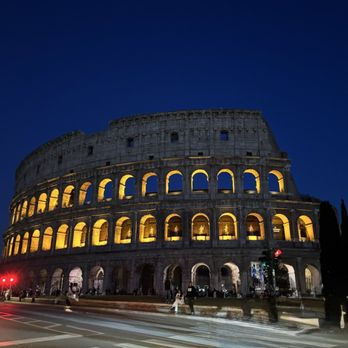
Last time I was here was 12 years ago- so much history! The view at night is gorgeous . Make sure to visit the gladiator arena


Came at the end of November of 2025, and it was crowded most of the time had a line to go everywhere. The normal pass has limited access: only to the ground level and to go around the colosseo. The view is majestic and the architecture is full of details and its surprising that it was done centuries ago... Definitely worth coming to this place!


It was a good visit to the Colosseo. Overall it was quick and easy to access and easy to follow. I recommend coming by while in Rome. There's different levels of the Colosseo and you can get different views of it. Overall great stop!


This might be one of the busiest tourist attractions in the world. You need to be physically and mentally prepared for long lines and wait times. We booked a tour through a 3rd party, and were spared much of that waiting, at a cost. That said, once we were inside, the history and nostalgia were captivating. Truly a highlight in my life. Did you know that il Colosseo was once covered in polished marble, and that it was stripped to build out the Vatican?


The Colosseum -- come for the history, stay because you're still waiting to hear "Are you not entertained?" echo through the stone. If you want to feel small, insignificant, and totally wowed, step inside the Colosseum. Pictures don't prepare you. This thing is massive. The ancient Romans didn't just build stadiums -- they built a statement, and nearly 2,000 years later it's still standing stronger than half the hotels on the Vegas strip. History check: Construction kicked off under Emperor Vespasian in AD 72, and his son Titus wrapped it up in AD 80. It could hold somewhere between 50,000-80,000 screaming Romans, all of them showing up to watch gladiators, wild animal hunts, mock naval battles, and a few thousand other events that would make modern NFL games look like a church picnic. And here's the kicker: they've done an incredible job refurbishing the inside. New exhibits line the corridors, the underground hypogeum (the maze where fighters and lions waited their turn) has been restored and opened for tours, and they even added a modern elevator so you can get between levels without feeling like you're on a gladiator training montage. With the restorations and displays, this isn't just a "walk in, take a selfie, walk out" situation -- it's a full-day affair. The scale of it makes you pause. You're walking where emperors stood, looking up at arches that have survived earthquakes, wars, looting, and centuries of tourists. You realize the Colosseum is less a ruin and more a survivor. And no, Russell Crowe wasn't there. I checked. "It's brutal, it's beautiful, it's Rome distilled -- glory and gore, still standing." Bottom line: Between the restoration work, the exhibits, and the sheer atmosphere, the Colosseum isn't just a bucket-list item -- it's a bucket that overflows.


The Colosseum is Rome's original multipurpose arena, brought to you by 1st-century imperial ego and a bloodlust budget that would make Hollywood blush. Built in eight years, because apparently slave labor and divine confidence are the ultimate project management tools. It's officially called the Flavian Amphitheater, but let's be honest "Colosseum" just sounds cooler. Probably because it was built next to a colossal statue of Nero, who thought the best way to be remembered was to build a 100-foot-tall bronze version of himself. What a humble guy. Anyway, the Colosseum. It's big. It's round(ish). It's missing a few chunks thanks to earthquakes, vandals, and that one time the Catholic Church thought it'd make a great quarry. Yes, parts of your local church may literally be made from ancient death-sport arena scraps. Blessings all around. Some for you, some for me. Inside? Back in the day, it seated 50,000 people who came to watch their favorite Netflix series: Live Gladiator Fights, Season Infinity. Lions? Check. Naval battles? Yup, they flooded the place. Prisoners forced to reenact mythology with a 100% fatality rate? That's dinner and a show. Modern visitors are now obsessed with its bones, snapping selfies while ignoring the fact that this is essentially a 2,000-year-old murder dome. And yet, there's something romantic about it. Probably because nothing says "eternal city" like scaffolding and a souvenir vendor catcalling tourists in broken English including me. So yes, go see the Colosseum. Take in the grandeur. But please remember humanity's timeless thirst for spectacle and egoism.


The Colosseum in Rome is known for being the world's largest amphitheater ever built and largest one standing in the world! Built between 72-80 AD on the site of Nero's Golden Palace. It only took 8 years to build and notably no concrete was used to build the main structure. 85,000 people could fit in it! It's where everyone went to watch gladiator fights and mock sea battles. It had 24 manual operated elevators to transport animals. It has 80 entrances and underground tunnels and chambers called Hypogeum. One of the 8 wonders of the world and amazing both inside and out!! Very amazing to see the architecture and walk on the path of past victors and losers!


The Colosseum is the most incredible thing I've ever seen on this planet. Nothing prepares you for standing in front of it in real life. The scale, the power, the history, everything about it is absolutely breathtaking. You can feel the history the moment you step inside. Knowing what happened there centuries ago gives you literal shivers. It's emotional, intense, and awe-inspiring all at once. Every stone tells a story, and it makes you feel so small in the best way possible. This is not just a landmark, it's an experience that stays with you forever. If you come to Rome and don't see the Colosseum, you missed everything. Rating: 10/10 -- unforgettable, unreal, legendary


The colosseum is one of the wonders of the world and is a must see when in Rome. We arrived late and were questioned about it and were asked to show proof as to why. We came in the afternoon on a summer, so it was hot. We walked around and admired the feat of human engineering. Afterwards, we made our way to the Roman Forum and Palatine Hill (included in ticket).


Proud to say my first world wonder was the colosseum in Rome Italy. I had a wonderful guided tour I got from get your guide and it was incredible learning about the nearly 2,000 year old landmark. I got the upgraded package to visit the arena and it was so unreal being there. It was like stepping into history. The colosseum is a must see in Rome! read more


Absolutely fantastic piece of History and landmark that should be cherished for all of future to see. Experience a Piece of History that was around since when Jesus Christ walked the earth and soak in the history of great Rome. Get your tickets well in advance and get ready to take some amazing pictures and make memories by yourself or with your loved ones. 5 glowing stars because anything less would truly be disrespectful and uncalled for. Thank you for preserving history! read more
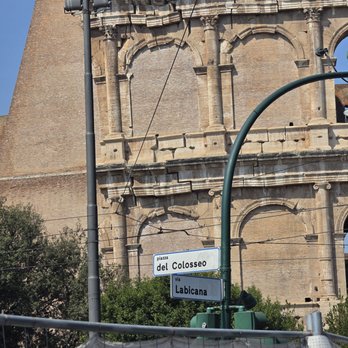


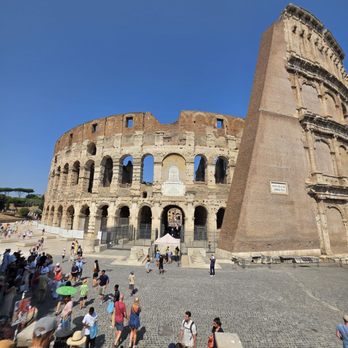
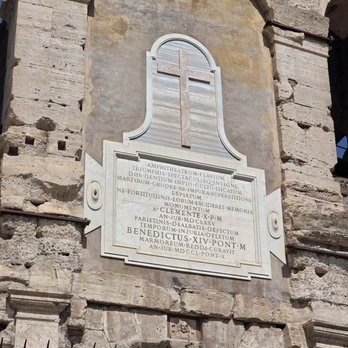


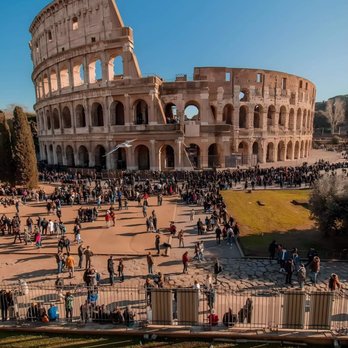
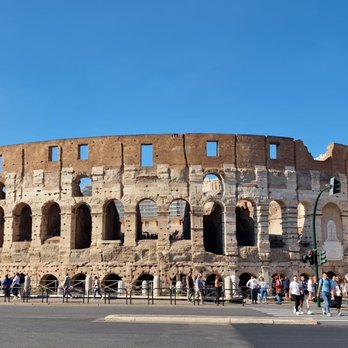

The Colosseum is one of those rare places that somehow lives up to the hype. The exterior alone is breathtaking, but once inside, it's hard to fully comprehend the scale, history, and engineering of what you're looking at. Walking through the structure and surrounding grounds, I found myself imagining what it must have been like nearly 2,000 years ago. Thousands of spectators filling the stands, roaring crowds, and gladiators stepping into the arena knowing they were the main event. What fascinated me most was learning that the arena was even flooded for certain spectacles. It's incredible to think about the level of ambition and ingenuity involved in creating entertainment on that scale so long ago. I also enjoyed spending time exploring the areas around the Colosseum, which are beautiful in their own right and filled with layers of history. This isn't a place to rush through. Give yourself several hours, take your time, and let your imagination do some of the work. A must-see when visiting Rome and one of the most memorable historical sites I've ever experienced. read more


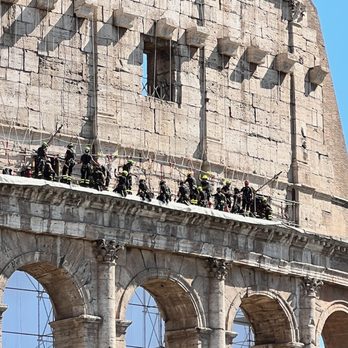



2 months ago
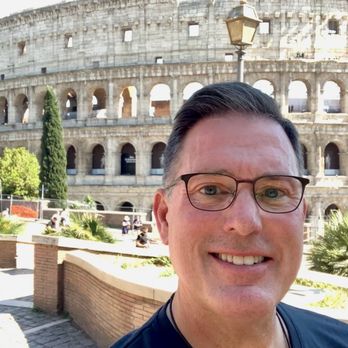
My husband was able to score tickets for the summer night tour of the Colosseum. It was perfect. I can't imagine being able to enjoy it during the day in this heat wave. It was so cool to be able to go underground and be so close to ancient history. read more

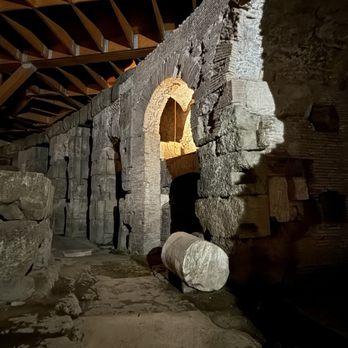
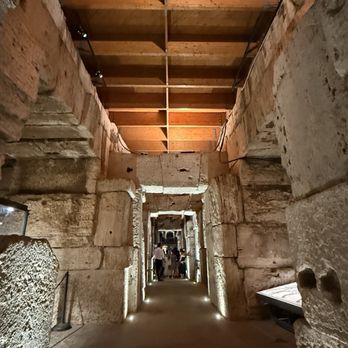
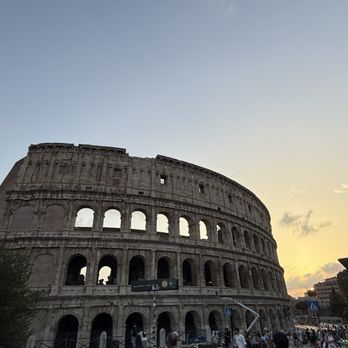

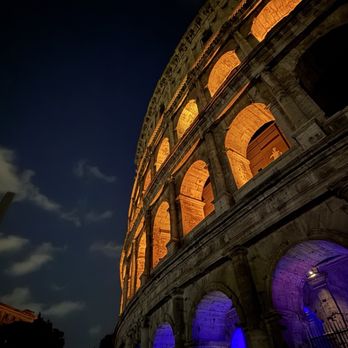

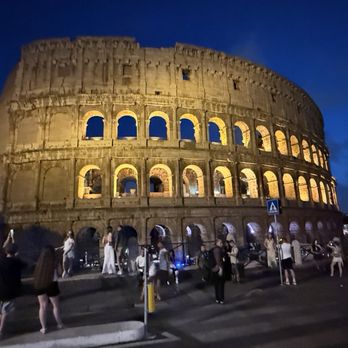
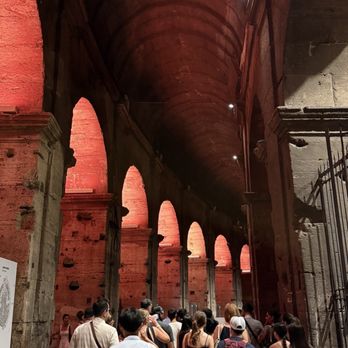


I've always loved reading about Roman history, so finally seeing the Colosseum in person this October was incredible. Even in the "off season," it was busy, which shows how high up the list it is for any visitor. Walking through the structure and looking down into the arena from above, I could really picture the energy of the crowds and the events that once took place there. The Colosseum is huge, up to 50,000 people once packed inside, and it was used for all sorts of public spectacles, not just gladiator fights. I'd recommend taking a guided tour if you can; it helps skip the ticket line and gives context that really adds to the experience. Also, make sure to explore the area around it--the Roman Forum and Palatine Hill are right next door and worth the time. If you're in Rome and even a little curious about history, the Colosseum is absolutely worth seeing. It really brings ancient Rome to life. read more

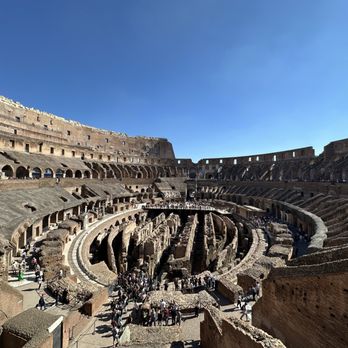


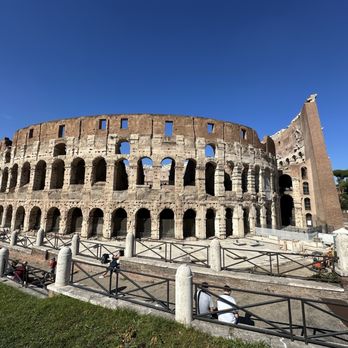
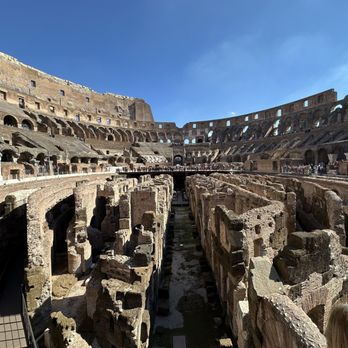


Beginning in the eighth century B.C., ancient Rome grew from a small town on central Italy's Tiber River into an empire that at its peak encompassed most of continental Europe, Britain, much of western Asia, northern Africa, and the Mediterranean islands. Nowhere on Earth captures the spectacle of ancient Rome quite like the Colosseum. Towering above the eastern edge of the Roman Forum, covering more than six acres, the Colosseum remains one of the world's most famous architectural marvels and is considered one of the Seven Wonders of the Modern World, where my partner, our friends, family member, and I were able to obtain 8:30am entry for self-guided exploration of the first and second levels but not to the arena floor where the gladiators fought. The ticket also includes visits to the Roman Forum, the Imperial Forum, and the Palatine Hill. Upon arrival, as one walks around the outside, one senses how huge it is, measuring approximately 620 feet in length, 513 feet in width, and over 160 feet in height, with an efficient network of arches, corridors, and staircases to accommodate rapid filling and evacuation for more than 50,000 people. To enter, one must arrive 15 minutes before the time specified on the ticket. However, it was crowded in mid-September during the week, which would be overwhelming, particularly around peak hours. On the other hand, the line for security checks was short. It looked very simple on the outside, but it has a very complex interior structure. One can see a lot from the first ring: the center stage/games area; the seating sections reserved for the emperor, the vestal virgins, and the senators; an overview of the now-exposed underground facilities; and the walls of rising seats above you. It can also get crowded here, and one might have to wait for visitors to move on to get a clear viewpoint. This is a building that captured our imagination since its construction and continues to be this symbol of Rome's power, of Rome's brilliance, which we can recommend. read more


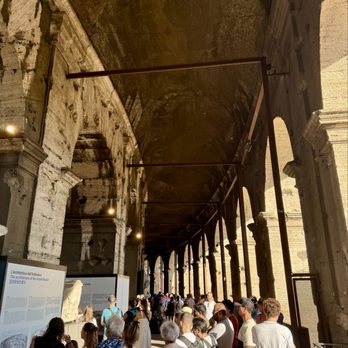

Needless to say, this is a must see whenever you're in Rome even if you don't plan on going inside! I walked or ran by it almost every day when I was in town to run the Rome Marathon. Even what's left of it was an awesome structure to see in person! Be sure to bring your patience as the surrounding areas will be crowded with tourists and more tourists! read more


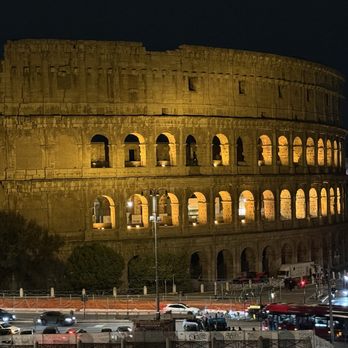

Came at the end of November of 2025, and it was crowded most of the time had a line to go everywhere. The normal pass has limited access: only to the ground level and to go around the colosseo. The view is majestic and the architecture is full of details and its surprising that it was done centuries ago... Definitely worth coming to this place! read more


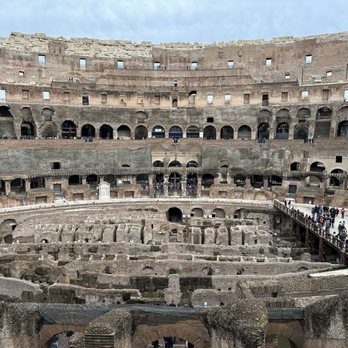


It was a good visit to the Colosseo. Overall it was quick and easy to access and easy to follow. I recommend coming by while in Rome. There's different levels of the Colosseo and you can get different views of it. Overall great stop! read more


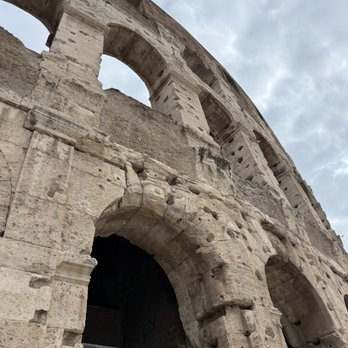

This might be one of the busiest tourist attractions in the world. You need to be physically and mentally prepared for long lines and wait times. We booked a tour through a 3rd party, and were spared much of that waiting, at a cost. That said, once we were inside, the history and nostalgia were captivating. Truly a highlight in my life. Did you know that il Colosseo was once covered in polished marble, and that it was stripped to build out the Vatican? read more


The Colosseum -- come for the history, stay because you're still waiting to hear "Are you not entertained?" echo through the stone. If you want to feel small, insignificant, and totally wowed, step inside the Colosseum. Pictures don't prepare you. This thing is massive. The ancient Romans didn't just build stadiums -- they built a statement, and nearly 2,000 years later it's still standing stronger than half the hotels on the Vegas strip. History check: Construction kicked off under Emperor Vespasian in AD 72, and his son Titus wrapped it up in AD 80. It could hold somewhere between 50,000-80,000 screaming Romans, all of them showing up to watch gladiators, wild animal hunts, mock naval battles, and a few thousand other events that would make modern NFL games look like a church picnic. And here's the kicker: they've done an incredible job refurbishing the inside. New exhibits line the corridors, the underground hypogeum (the maze where fighters and lions waited their turn) has been restored and opened for tours, and they even added a modern elevator so you can get between levels without feeling like you're on a gladiator training montage. With the restorations and displays, this isn't just a "walk in, take a selfie, walk out" situation -- it's a full-day affair. The scale of it makes you pause. You're walking where emperors stood, looking up at arches that have survived earthquakes, wars, looting, and centuries of tourists. You realize the Colosseum is less a ruin and more a survivor. And no, Russell Crowe wasn't there. I checked. "It's brutal, it's beautiful, it's Rome distilled -- glory and gore, still standing." Bottom line: Between the restoration work, the exhibits, and the sheer atmosphere, the Colosseum isn't just a bucket-list item -- it's a bucket that overflows. read more


10 months ago

The Colosseum is Rome's original multipurpose arena, brought to you by 1st-century imperial ego and a bloodlust budget that would make Hollywood blush. Built in eight years, because apparently slave labor and divine confidence are the ultimate project management tools. It's officially called the Flavian Amphitheater, but let's be honest "Colosseum" just sounds cooler. Probably because it was built next to a colossal statue of Nero, who thought the best way to be remembered was to build a 100-foot-tall bronze version of himself. What a humble guy. Anyway, the Colosseum. It's big. It's round(ish). It's missing a few chunks thanks to earthquakes, vandals, and that one time the Catholic Church thought it'd make a great quarry. Yes, parts of your local church may literally be made from ancient death-sport arena scraps. Blessings all around. Some for you, some for me. Inside? Back in the day, it seated 50,000 people who came to watch their favorite Netflix series: Live Gladiator Fights, Season Infinity. Lions? Check. Naval battles? Yup, they flooded the place. Prisoners forced to reenact mythology with a 100% fatality rate? That's dinner and a show. Modern visitors are now obsessed with its bones, snapping selfies while ignoring the fact that this is essentially a 2,000-year-old murder dome. And yet, there's something romantic about it. Probably because nothing says "eternal city" like scaffolding and a souvenir vendor catcalling tourists in broken English including me. So yes, go see the Colosseum. Take in the grandeur. But please remember humanity's timeless thirst for spectacle and egoism. read more


2 years ago
The Colosseum in Rome is known for being the world's largest amphitheater ever built and largest one standing in the world! Built between 72-80 AD on the site of Nero's Golden Palace. It only took 8 years to build and notably no concrete was used to build the main structure. 85,000 people could fit in it! It's where everyone went to watch gladiator fights and mock sea battles. It had 24 manual operated elevators to transport animals. It has 80 entrances and underground tunnels and chambers called Hypogeum. One of the 8 wonders of the world and amazing both inside and out!! Very amazing to see the architecture and walk on the path of past victors and losers! read more


9 months ago
The Colosseum is the most incredible thing I've ever seen on this planet. Nothing prepares you for standing in front of it in real life. The scale, the power, the history, everything about it is absolutely breathtaking. You can feel the history the moment you step inside. Knowing what happened there centuries ago gives you literal shivers. It's emotional, intense, and awe-inspiring all at once. Every stone tells a story, and it makes you feel so small in the best way possible. This is not just a landmark, it's an experience that stays with you forever. If you come to Rome and don't see the Colosseum, you missed everything. Rating: 10/10 -- unforgettable, unreal, legendary read more


The colosseum is one of the wonders of the world and is a must see when in Rome. We arrived late and were questioned about it and were asked to show proof as to why. We came in the afternoon on a summer, so it was hot. We walked around and admired the feat of human engineering. Afterwards, we made our way to the Roman Forum and Palatine Hill (included in ticket). read more


2 years ago
We tried so hard to get tickets to the underground tour portion, including logging on at midnight for weeks on end as tickets were released. In the end, no tickets. There are long lines to enter here with and without tickets and the adjacent archaeological park. Like most attractions in Italy, there are multiple, confusing lines. You can circle the structure for free and just avoid the people selling tours. read more


1 year ago
So much history in Italy especially here. But not for the physically faint of heart as it's a lot of walking around but so worth it. Take a tour during the day and drive by at night for some awesome photos. read more


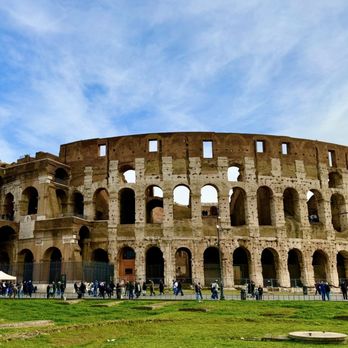
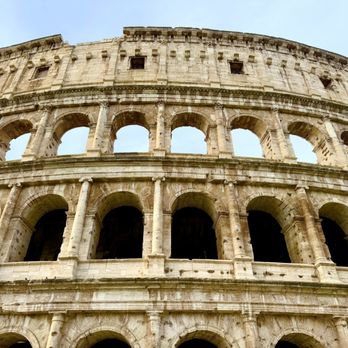
I couldn't leave Roma without visit the Colosseum - Il Colosseo! I think it's safe to say that it's one of the most iconic and recognizable structures in the world rich in history and visited by many every year. That being said, I carved time out one morning to pay it a visit during our city explorations. Like many historical structures in Roma, the Colosseo offers tours - however because we were crunched for time we decided to explore the perimeter and snap some pictures. It's simply a breathtaking structure to see - I found myself snapping pictures while making a full circle around the structure. Over the years the structure had been restored, so it looks great - only adding to the magnificence of its presence. It's almost crazy to think that a structure like this, especially in the time it was built, had Roma grow around it vs being more in the outskirts of the city. The Colosseo is easy to get to via rail or by foot - and the nearby Roman Forum makes it a place where you can hit multiple hot spots at once. Be aware of your surroundings in this area - I noticed here more than anyone else a lot of scammers. Overall, not to be missed - even if you're just passing by, it's one of the top sights to see in Roma. read more


1 year ago

2 years ago
Absolutely amazing to see in person! You see the Colosseum in movies, but they really don't do it justice. Even the movie Gladiator didn't show how big this thing is in real life. Maybe it's one of those things where you have to go and experience it for yourself? Otherwise how would you know this massiveness and gravity of the Colosseum? I was speechless when I saw it! It's such a magnificent structure! 10/10 Everyone must see it! "Are you not entertained? Are you not entertained?" -Gladiator read more


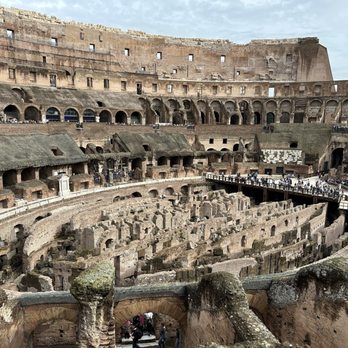
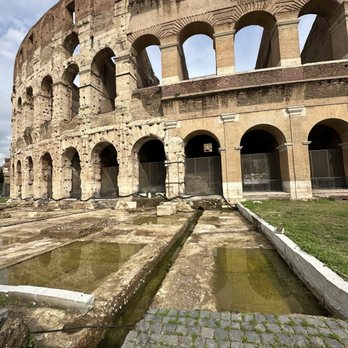
The Colosseo, also known as Anfiteatro Flavio, is an elliptical amphitheater in stone and concrete, located in the center of Rome. It was built in the first century by order of the Emperor Vespasian, and this place was once capable of holding fifty thousands of spectators, who watched a variety of events. It has been listed as one of the New Seven Wonders, and I think it's a must visit in Rome. You'll likely have to buy those resell tickets through online agents, as from my own experience and according to internet posts the official tickets would be sold out the moment they are released. I would recommend the full experience ticket for the best value. Another tip, if possible, book the morning entry and get there early to avoid the massive crowds. read more





2 years ago
One of the most epic and ancient tourist attractions I've visited. Definitely was one of the most anticipated attractions of my Italy trip. Booked tickets online ahead of time. In addition to GA tickets, there are also limited release tickets for the underground, arena, or attic. Was lucky enough to get tickets to the attic, which s the highest publicly accessible point in the Colosseo. Arrived early ahead of our ticket time to get in line and went through quite quickly since it wasn't overwhelmingly busy in the morning. Once we got inside, we were able to take a attic exclusive elevator upstairs where there were a series of stairs to go higher up. Best part is, due to the low quantity of tickets for the attic, there was less than 15 people in total with. Spread across a large exploration space, it made us feel like we had the Colosseo to ourselves. Impeccable views. As the time progressed, the GA areas of the Colosseo filled up so much that it was truly packed. Yet we still had the attic to ourselves. Highly recommend these tickets if you want to avoid crowds and experience the Colosseo in a perspective like no other. Best of luck securing the tickets! read more
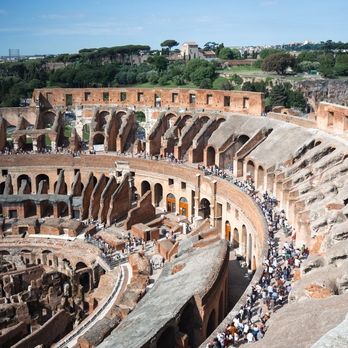


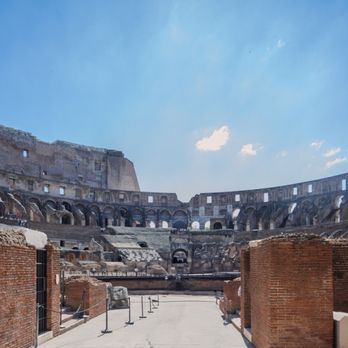


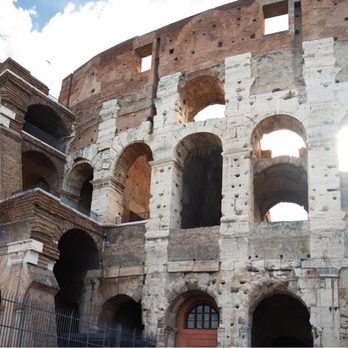


When in Rome one must brave the crowds and tour the Colosseum. We purchased our tickets in advance for the basic tour and audio tour. This also included the Forum and Palatino within 24 hours. Other than the basic knowledge from movies I did not know a lot about the colosseum and its history. To me it was a very sad place considering that 400,000 people lost their lives there and over a million animals. The blood lust of those times were hard to understand. It was helpful to listen to the Audio tour as we toured. We had the basic which did not include the underground. Learned a history lesson on the 400 years that it was used to entertained the masses. The Killings ended not because society changed it was because funds were low to keep it up as the Roman Empire declined. The structure is interesting to view and the real or false battles that took place. The crowds did become old, as those people who would hog areas to take multiple for selfies. My husband finally said to a group that enough with the photo shoot time to let other people look at the view. Rome is doing a great job and working on conserving their historical sights. read more


1 year ago
Amazing sports venue in Rome. The gladiators put on an excellent performance. It was good to see the Emperor in town for the festivities. This is a must see in Rome. read more


1 year ago

2 years ago
Midnight, Rome time, is only 3pm Vegas time, so I was ready to buy tickets to the Colosseum. I did so much research on the best tickets and I had even been practicing, placing orders I didn't finish, just to make sure I could order the tickets beforehand. I was not able to buy tickets. There were some leftover, yes, so I have confidence that if you go online, you will be able to go but the tickets I wanted went super fast. The line to get in is intense so I would suggest you buy tickets online beforehand, the moment your desired date goes on sale. If you can't get what you want and are willing to shell out double the price for a tour, I would suggest that as well. And let me tell you, it's worth it to be near such a world recognized structure. To me, it still doesn't feel real that we were there in real life. The building itself is magical, even if you don't enter it. I will reiterate what people have said about being wary of pickpockets and scammers. Usually, especially in other parts of Italy, we say no and they walk away. This time someone got so aggressive with us that we had to half run away from him. He did the thing where he threw the bracelet at my husband but luckily my mans knows not to touch so it just bounced off his chest to the ground. This guy chose a darkened staircase to do this at, hence the half running so please please please be careful. read more
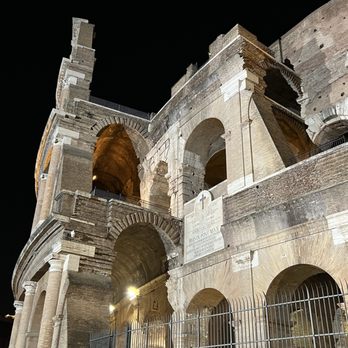


ATTIC: They changed the website earlier this year and the process for securing the tickets became a bit different. We secured tickets for the attic at an early time - bright and early before the summer sun kicked in. An elevator takes you up and away from the crowd, and you get to explore the upper levels of the colosseum. There are more stairs as you go up, and gradually less open areas to explore but still breathtaking in all of its ways. Note that these steps are big, high steps. And there are MANY of them as you keep going up the floors. They will also be in the 1st and 2nd floor general admission area as well but not as many. It's much more quiet upstairs and rather enjoyable compared to the immense crowds downstairs where you can barely walk. Truly an incredible sight to marvel at. 1st and 2nd FLOORS: Many tour groups walking by with flags in the air and you're constantly weaving in between them and other crowds of people. There are vending machines with cold refreshing water for 1.5 Euros. We bought a few of those. Photo ops aren't incredibly hard to take. Watch your belongings at all times, bring a hat, a fan, water, and take in the beautiful sight. read more


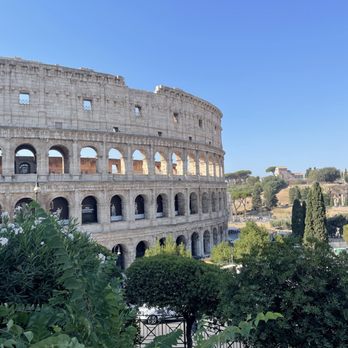

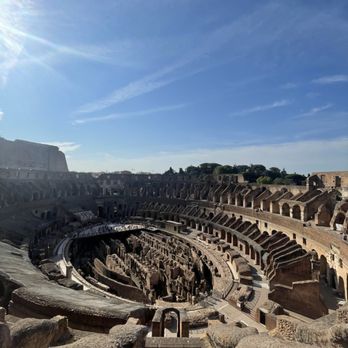

Absolutely loved - i paid extra for the headset and was not a fan. There's also virtual guides online that are easy to follow but if I can do it again, I would get a guide. There was a wait to get in even though the entry times are broken up but it's only about 30 minutes. I spent around 2 hours here. read more


2 years ago
The Colosseum needs no introduction; it is an iconic symbol of Rome, and it is truly one of the world's most famous landmarks. It is remarkable that after almost 2000 years, it is still standing today, although it has been destroyed for various reasons over the years, mainly down to Earthquakes, it is still incredible to this day and even more incredible when you realise that this is just one-third of the original historic building. An entertainment venue for the Romans, it hosted gladiator fights and various forms of entertainment, today it's remarkable just to walk around the inside and outside and admire the beauty and remember the history of what once was. I do think the Colosseum is ruined to a degree by a plague which has infiltrated various forms of Europe - the scammers. It was impossible to walk for 60 seconds without having "friendship bracelets" thrown in my face or bottles of water and umbrellas, it truly didn't feel safe even in broad daylight so I would worry about solo female travellers in that instance, or even most people in general who may be prone to scams from the aggression of these people. Walking along the Roman Forum, and the streets of the Eternal City, the sight of the Colosseum just takes it to a whole different level and it is obviously a must-see when in Rome, but travel in groups! 4* read more
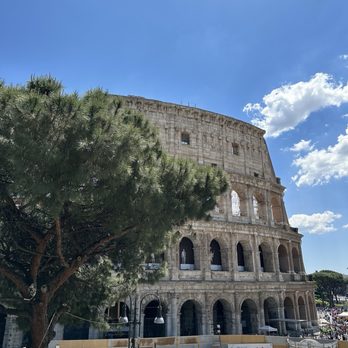


1 year ago
Not every year i got to go here on my birthday. It is an amazing experience to see Collosseum in person. But also sad to hear what happened in the past here from our tour guide, Sergio. Animals (from around the world like lion, panther, bear, elephant) hunt in the morning, execution in midday, gladiator in the afternoon. This was an extravaganza entertainment for Roman populace and a showcase for powerful and wealthy ones. read more


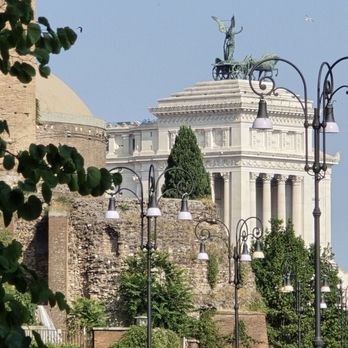


Don't think this place really needs a review, but it is absolutely a must go when in Rome. Unfortunately, direct tickets are almost impossible to get, but we were able to grab some through a tour. Facts are interesting and you are shuffled in and out, but truly breath-taking piece of history. Really recommend purchasing tickets ahead of time so you can skip the crazy lines. read more


10 months ago

Buy your tickets in advance and if you go through a third party triple check your visit time. Our ticket pick up was at 2:30 but we could not enter the colloseum until 5:30. Incredible experience. Not a lot of free roaming. It was very people queue oriented, but incredible regardless. Nice exhibits/displays in the colosseum. read more


Page 1 of 29
More info about Colosseo
Colosseo Reviews in Other Languages
Review Highlights - Colosseo
















Why does Yelp recommend reviews?
106 reviews that are not currently recommended
The reviews below are not factored into the business's overall star rating.

5 years ago


18 years ago


15 years ago
14 years ago

4 years ago

18 years ago

12 years ago
8 years ago
9 years ago

7 years ago

11 years ago

9 years ago

8 years ago
12 years ago
12 years ago

12 years ago
12 years ago
12 years ago


