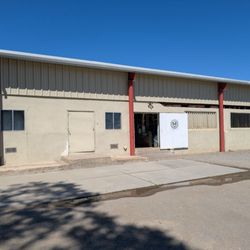
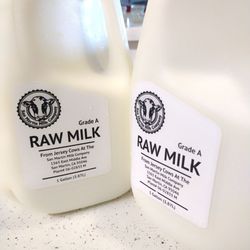
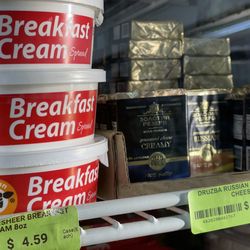
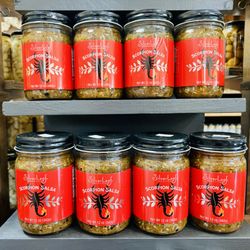
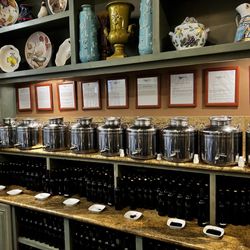
Claravale Farm Photos


More like Claravale Farm
Recommended Reviews - Claravale Farm
Start your review...

Reviews With Photos


30 days ago
Great farm tour for kids and adults . We saw vegetable farm, huge orchard and picked lots of stuff to take home. read more


8 months ago

3 months ago

1 year ago
1 year ago

5 years ago
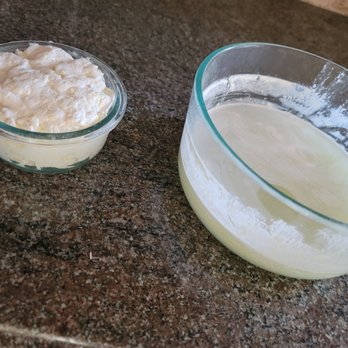
Update** i made the whole milk into yogurt, then strained it into a soft cheese. Bowl on the right is acidic whey leftover, awesome in lemonade/juices and cooking. I want to add that this farm has strickt cleaning and testing standards for the raw milks they produce. Raw milk farms are required to go through more regulations and testings than homogenized and pasteurized companies. The raw milk goes through numerous bacterial testing, as well as a state veterinarian check up frequently. They show on their instagram how they clean the cows, how they feed them, how they treat all the animals, and how they free roam. I love this family run farm, they aslo have an airbnb farm stay (check their website), fun! read more



6 years ago
Im in San Diego and going to the farmers market in Hillcrest is my tradition each Sunday. Initially, I was attracted to the booth because it advertised raw goat milk for 8$ a quart. I pay 8$ for 8 ounces at the store i go to and thought it was a steal. I give my dog raw goats milk as it's very good for them. The lady there was incredibly friendly and sold me on jersey cow milk. I HATE milk and well aware of the difference between pasteurized and non. She told me that she guaranteed id love it. I took her word and sure enough it was the creamiest milk I've ever had. I have sensitive taste buds and smell and was able to taste the hay or pasture as an aftertaste (a very good sign!). I'll be going to get my fix--and my dogs goat milk-- as well as the farm fresh eggs offered there . Love this lady and The farm all the way from San Diego! P.S. I sip a simmered glass of milk after dinner for a perfect desert treat! Simmer (not boil) as the nutrients stay mostly preserved that way read more


4 years ago

5 years ago

9 years ago

15 years ago


13 years ago

8 years ago

10 years ago
Business owner information

Collette C.
Our real, creamy raw milk is never pasteurized or homogenized, and…

15 years ago

8 years ago

9 years ago

12 years ago
6 years ago
6 years ago

11 years ago
Business owner information
Collette C.
Our website's FAQ has been split into two parts: one for the farm and…

12 years ago
12 years ago
11 years ago

13 years ago
11 years ago
8 years ago

10 years ago
10 years ago
12 years ago
11 years ago
9 years ago
9 years ago
More info about Claravale Farm
33320 Panoche Rd
Paicines, CA 95043
Directions
(831) 628-3219
Call Now
Visit Website
http://ClaravaleFarm.com
Hours
Payment methods
Outdoor Amenities
From the Business