
Chichester Cathedral Photos


Recommended Reviews - Chichester Cathedral
Start your review...



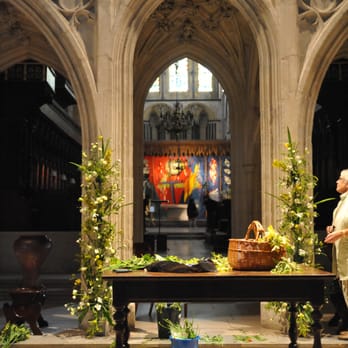
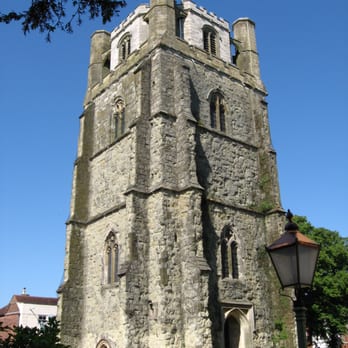
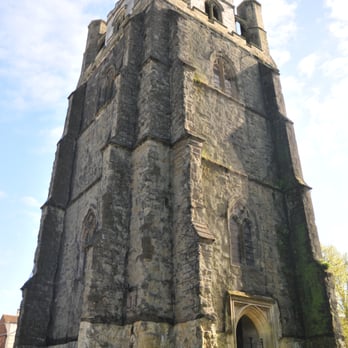
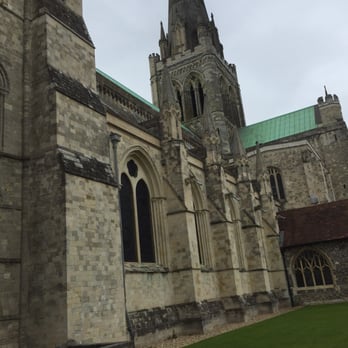
Chichester has a long pedigree. Once a Roman town of some significance, it survived the Dark Ages to become an important market town in Anglo-Saxon times, and was chosen by the Normans in 1075 as the site of a new Cathedral. Over the years, Chichester has kept its market town atmosphere, and makes a delightful place to visit: it still retains its Roman and later mediaeval street plan and part of its walls, but the centre also has some delightful parks and gardens. The Cathedral itself reflects its Normans origins: begun in 1076, and largely completed by 1108, it is a substantial romanesque building. Until the 19th century, this was a poor area, so the Bishops could not afford the grand rebuildings that took place elsewhere. Its scale, and decoration, are still modest, and largely Norman work. It even retains its external bell tower. Some additions were made in the late twelfth century, adding transitional and Early English gothic elements, and there are some furnishings and fittings of interest: two fine (and rare) 12th-century carvings of Christ arriving at Bethany and the raising of Lazarus; a large segment of Roman Mosaic flooring from a 4th-century public building; and some fine tombs, including that of Richard Fitzalan, (d. 1376) and his wife. There are also notable additions in more recent times: a stained glass window by Marc Chagall, a tapestry by John Piper, and a painting by Hans Freibusch. The Cathedral has a notable music festival and an even more famous flower festival, when its interior becomes a riot of floral design. read more




Fantastic. It is worth the trip out from London to visit this Cathedral. It is not very far from the train station. There are a number of pubs and places to eat walking from the train station. Definitely worth a day trip trip out here. read more


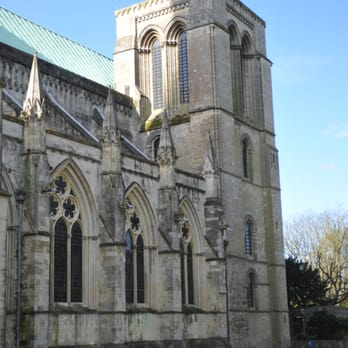




I'm not a religious person but I am a big fan of architecture, so love visiting churches and cathedrals for that reason. After walking round the Bishops Palace Gardens, we cut along Vicars Walk to reach the Cathedral. We walked past the cafe though didn't go in; it did seem pretty popular. The Cathedral itself is free entry which I think is great. Having visited other cathedrals where they are not free, it felt like a real treat to be allowed to walk around freely. Whilst we were there the choir were practising which was a nice background. They have lots of helpful signs telling you the history of the church as well as information about St Richard. The stained glass windows were bright and vivid. They obviously really care for the building. I think they have concerts and events so it's worth keeping an eye out. Really easy to get to since there are bus stops right next to it. Highly recommend a visit. read more




18 years ago

9 years ago


11 years ago
19 years ago
More info about Chichester Cathedral
Chichester Cathedral Reviews in Other Languages





Why does Yelp recommend reviews?
1 review that is not currently recommended
The reviews below are not factored into the business's overall star rating.

18 years ago


