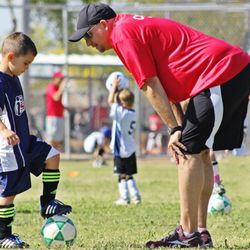
As a sport, kickball (along with dodgeball) fades at just about the time mainstream competitive sports -- baseball, basketball, volleyball kick into high-gear, about 6th grade.
The stigma of kickball being a juvenile sport is really a blessing in disguise -- it can remain fun, loose and playful while other sports, even in recreational leagues, can turn a bit nasty and highly-competetive.
Now here's the kicker (ack! pun!). Despite the voluntary willingness of its participants to play loose, goof around, and generally enjoy it as every 20-going-on-12 year old would, that old adult-y competitive pettiness (that most people signed up to avoid) starts to seep into the game.
There are many kudos to give to Kickball Chicago:
1. It's run non-for-profit, as opposed to the other league in town Chicago Kickball. That means no dues, no overseeing body, and much cheaper registration (60$ for a team of 12?)
2. It's social. Ravenswood Pub hosts all the after-kick drinking, a few theme parties interspersed with league play, and ongoing Flip-Cup rivalries that most players take more seriously than the kickball itself.
3. It's communal. Small rosters and less than 16 teams allow any moderately-outgoing people to wind up knowing half the players on the other teams.
There's also some detractors:
1. Unideal Locale. Chicago Sport & Social has a deathgrip on all lighted parks in the area... meaning by the end of the fall league you WILL be playing in unilluminated twilight, especially if you play the late game.
2. Playground Rules: The rules are well-defined on their website but when it comes down to it, people play as they please, hoping that the volunteer ump's don't notice. Or teams play unfairly, hoping that the other team doesn't call them out on it in a conscience attempt to keep things fun.
3. Adolescence Prevails. Most of the games are great, but then there's weeks when things get snippy or sometimes downright ugly. Trash-talking is there, poor sportsmanship is there -- it's just like everyone is back in 6th grade again, but there's no teacher to go run and tell.
4. Adult-y-ness. There is a playoffs at the end of the year, and it inevitably gets competitive. Further (see #2 & #3), teams on the brink of losing have been known to pull out all the stops to get the "w" -- complaining to the well-meaning volunteer umps that the other team shouldn't be allowed to play because they are illegally substituting players, are playing with a gender-unbalanced roster, are playing with too many or too few fielders, and various other forms of cheating (which, in a particular case I'm referencing) they hadn't been.
So. K.C. -- Mad props for setting up a great framework for a truly social league, and good luck working out the kinks! read more