Order Chevron Takeout or Delivery
CHEVRON · YELP ASSISTANT
Ask Yelp Assistant
Chevron Photos


Business Info
You might also consider


More like Chevron
Recommended Reviews - Chevron
Start your review...

Reviews With Photos


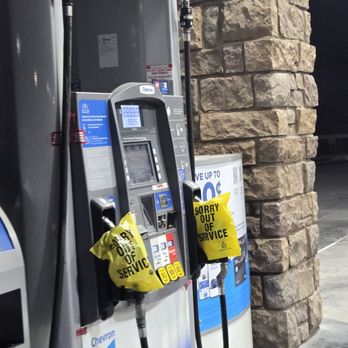
One of the most horribly ran gas stations in town. One of the highest price gas in town also. They always have many pumps out of order and almost all their receipt printer at the pump are broken or out of paper. The cashiers inside agree. That Chevron does not maintain this station. They hear it all day long. Pathetic, especially being one of the highest prices in the valley. If you can go somewhere else. Please do. They think they can gouge customers and not maintain the station. It is convince for me. But no more. Tired of this BS.


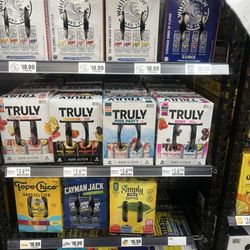
I rarely go to this gas station location. When I do I've been able to complete my transaction easily. I pay cash for gas so that means a trip into the convenience store. There is a huge chandelier hanging from the ceiling in the foyer giving the place a posh appearance. The store was clean, well organized, and is packed with products. There were two cashiers and I was able to pay and go pump pretty quick. At the pump the area was clean and since the necessary supplies were available I took the time to clean my vehicle windows. The few times I've used this location to put gas in my car I've had satisfactory experiences.


Unfortunately this is the closest gas station to my house. I hate going here for anything. If you go inside, you will wait forever in line. They always have cashiers not working and just standing around watching the line grow larger and larger. If you get gas here, only use a credit card. They have had so many cases of stolen debit card numbers. This is a total pain in the butt if you have stolen identity.


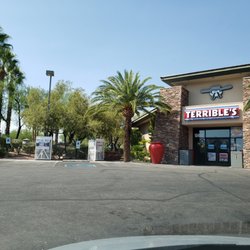
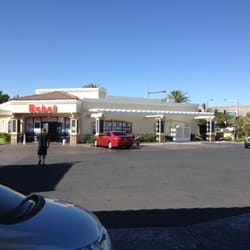
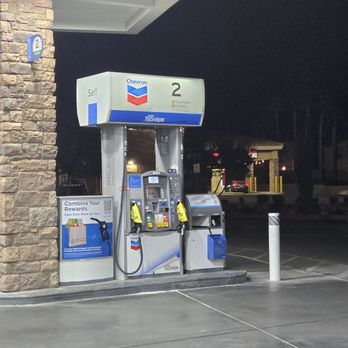
Strategically situated along Desert Foothills Drive near the bustling Charleston Boulevard corridor, amid established residential neighborhoods and a concentration of commercial establishments, the Chevron station enjoys an enviable geographical advantage for routine refueling; nevertheless, conspicuous deficiencies in equipment maintenance compromise the expediency ordinarily associated with such accessibility, transforming an elementary errand into an unnecessarily protracted undertaking. During a recent visit, approximately 4 of an estimated 12 dispensing pumps were inoperative, necessitating repeated circulation around the fueling area before a functional dispenser could be located. The simultaneous impairment of nearly one-third of the station's dispensing infrastructure constitutes a conspicuous failure of operational preparedness, substantially constraining the station's capacity to accommodate arriving motorists while complicating circulation throughout the dispensing area. Compounding the unreliable dispensing equipment is a paucity of supplementary automotive conveniences, with a tire-pressure facility available but no apparent provision for on-site washing or vacuuming. The absence of on-site washing and vacuuming facilities further circumscribes the establishment's practical utility, precluding the consolidation of routine vehicle-care activities within a single visit. The restricted repertoire of ancillary vehicle-care amenities affords scant inducement to favor the establishment over better-equipped competitors, especially when the reliability of its principal fueling equipment has already proven deficient. The practical impediments were further aggravated by unsolicited commercial activity around the dispensing area, where an individual lingered and repeatedly approached motorists with offers to wash their windshields. The intrusion of persistent solicitation into an already protracted fueling transaction detracted from the ease with which customers could attend to their vehicles, introducing an additional encumbrance unrelated to the station's principal services. No intervention from station personnel was apparent during the encounter, allowing the approaches to continue without visible discouragement. Persistent solicitation amid the prevailing operational disarray compromises the commercial decorum expected of an established gasoline retailer, further diminishing the appeal of an otherwise advantageously situated establishment. The Tuesday visit exposed a further deficiency in the administration of Terrible's Rewards privileges, whose promotional incentives constitute an additional consideration for motorists selecting among participating fueling establishments. Terrible's Rewards associates qualifying fuel purchases with membership privileges, including a complimentary medium soft drink and additional Tuesday incentives; however, the dispenser failed to print the anticipated coupon, interrupting the customary redemption procedure. When the anticipated coupon fails to materialize at the point of purchase, the discrepancy between an advertised membership privilege and its practical accessibility compromises the credibility of an incentive intended to encourage recurrent patronage. The Desert Foothills Chevron's operational shortcomings become especially consequential amid the abundance of competing fueling establishments along the surrounding commercial corridor. Costco Gasoline is situated only a few blocks away, while additional Chevron stations along Charleston Boulevard afford further options without necessitating an extensive detour. In a neighborhood where alternative fueling facilities remain readily accessible, the deficiencies in equipment reliability, customer accommodations, and promotional administration render continued patronage difficult to justify on geographical convenience alone. read more

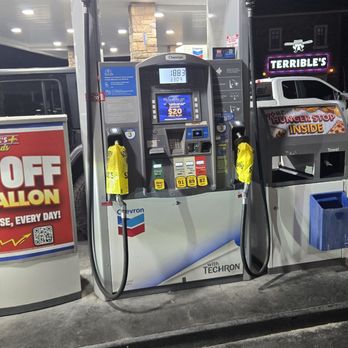


Quick in and out service. Came in for a quick protein late night fix. There was just an oddly suspicious amount of police vehicles here (3), but I guess that must be their hang out spot. The Fairlife Core Power Elite is packing 42g of protein and taste like vanilla ice cream and straight chocolate milk. read more

1 year ago
One of the most horribly ran gas stations in town. One of the highest price gas in town also. They always have many pumps out of order and almost all their receipt printer at the pump are broken or out of paper. The cashiers inside agree. That Chevron does not maintain this station. They hear it all day long. Pathetic, especially being one of the highest prices in the valley. If you can go somewhere else. Please do. They think they can gouge customers and not maintain the station. It is convince for me. But no more. Tired of this BS. read more


2 years ago


4 years ago
These guys are the worst - gas price always high and the air is always out of order. Lazy. read more


I rarely go to this gas station location. When I do I've been able to complete my transaction easily. I pay cash for gas so that means a trip into the convenience store. There is a huge chandelier hanging from the ceiling in the foyer giving the place a posh appearance. The store was clean, well organized, and is packed with products. There were two cashiers and I was able to pay and go pump pretty quick. At the pump the area was clean and since the necessary supplies were available I took the time to clean my vehicle windows. The few times I've used this location to put gas in my car I've had satisfactory experiences. read more


2 years ago

6 years ago

5 years ago

4 years ago
5 years ago
Apparently the pumps rip people off. Overcharges .75 gallons out of 5 gallons. Bad enough prices are high but the pumps have to to rob us too.. read more


14 years ago
Unfortunately this is the closest gas station to my house. I hate going here for anything. If you go inside, you will wait forever in line. They always have cashiers not working and just standing around watching the line grow larger and larger. If you get gas here, only use a credit card. They have had so many cases of stolen debit card numbers. This is a total pain in the butt if you have stolen identity. read more


I don't understand why this place only has 1.5 stars. Every time I go in I am greeted nicely by the people at the desk. There is never a line when I am there. I either go around 8:45 am or after 7pm. The only frustrating thing is the Air machine but those are annoying at every gas station. It is always clean and organized. I see the same people and they are always willing to help. It is on my way to work and it is convenient for this side of down. Located in a great location with wonderful neighbor stores. I never see anyone playing the slots in there! read more


9 years ago


9 years ago
6 years ago
6 years ago

15 years ago

7 years ago

13 years ago
9 years ago
13 years ago
More info about Chevron
1051 Desert Foothills Dr
Las Vegas, NV 89138
Summerlin
Directions
(702) 240-9253
Call Now
Order Takeout or Delivery
Start Order
Visit Website
http://www.chevron.com
View offerings
Hours
Payment methods
Food & Alcohol
Outdoor Amenities
Other Amenities
More Info
Health Score