Camp Tintype Photos
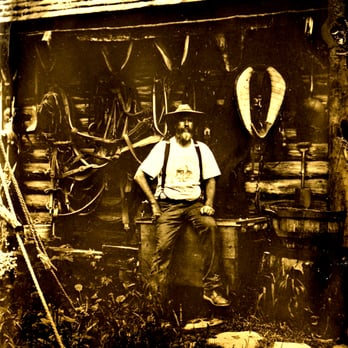


More like Camp Tintype
Recommended Reviews - Camp Tintype
Start your review...



1 year ago
Going back next year. Amazing experience . Learning from a Master is incomparable. His simple ways and knowledge of everything wet plate photography is unmatched read more

6 years ago
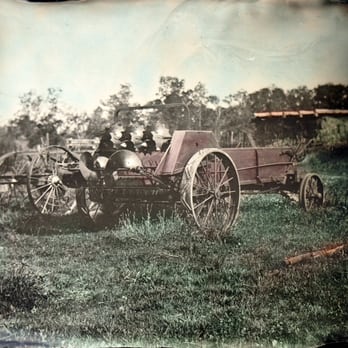
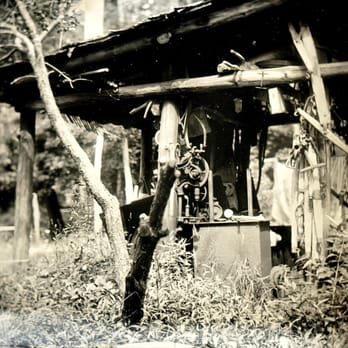
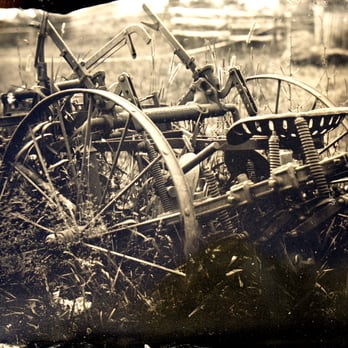
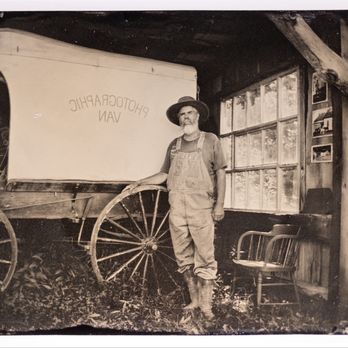
John is a master of his craft. He started the wet plate revival many years ago. If your looking for an interesting place to stay (camping is free on the property in your tent or his historic tents) while taking his collodion workshops - you can't do any better than camp tintype. Days of shooting , trouble shooting and a no BS approach to this historic process. John has a plethora of original lenses, images and cameras- and let you use them - during the workshop. They days are long and the rewards are many. This is by far the best way to get into wet plate collodion. PS - John loves sweets, bring him a pie, cake, whatever. JOHNCOFFER.com read more


11 years ago
The best value in wet-plate collodian workshops. Seriously. You get 3 full days of instruction and 1 day of "free-play". Now, when I say full day, I mean full day. You start at 9:00 am and conclude your day at around 11:00 pm (with lunch and dinner breaks). John has nearly 40 years experience in wet-plate collodion with over 25 years experience as an instructor. While some workshops will boast about you going home with 4-5 tintypes, John does not limit the number of plates you can shoot and you can go home with as many as you can produce. I took my time and brought home 21 plates (Ferrotypes, alumitypes, black glass ambrotypes, clear glass ambrotypes and ruby glass ambrotypes) 1 clear glass negative and 2 gold-toned albumen prints. He also provides you with a union case to place your favorite photo in. John has more cameras than the NSA and a dark-box for each student (Classes have only 4 students!!) so you are not going to be slowed down by limited access to resources(chemicals, plates, cameras, darkrooms). You will have the opportunity to us a variety of cameras that include (but are not limited to) Kodak Brownies, A modified Polaroid, Modified 35mm, Numerous tail-back cameras and numerous field cameras. As mentioned earlier, you are provided with a much material as you want. You can also shoot on a variety of sizes up to whole-plate. Also provided are a comprehensive "Do-ers" Manual, How-to DVDs, Wilson's 'Quarter-Century in Photography' and 'The Ferrotype and How to Make It' by Edward M. Estabrook. I took the All-Around workshop which consisted of learning the process of shooting tintypes and ambrotypes, learning the process of japanning tins, making glass-plate negativess and albumen prints, and the varnishing process. The workshop is hands-on for the process shooting tintypes from preparing the glass plates (if shooting ambrotypes), pouring the collodion all the way to varnishing. John, however, takes the lead with the process of turning an ambrotype into a glass-plate negative and making the gold-toned albumen prints. That process is a bit more complicated and uses-up some costly material. If you plan on shooting wet-plate collodion, especially in field-like conditions (I talking about you, Civil War Re-enactors) this is definitely the workshop for you. Some things to remember if you decide to enroll: 1. Have a plan for bringing your plates home. You will have a lot of them and they will vary in size. This is especially important if you are flying. The plates from the last 2 days will still be slightly tacky from the varnish. John will assist, but I recommend having a box too. 2. John's place is....rustic. No running water, no power, lots of mud. Check the weather reports before your trip. If it has rained or looks like is might rain, bring rain boots or water-resistant boots. 3. If you are staying on site, there are no near-by stores to make a quick run for water/beer/ Twinkies. Bring a lot of water. There is a Wal*Mart in Watkin's Glen (15 minute drive). The only time to do any shopping is during the supper-break (around 6 to 8). 4. As stated above, there's no power. Even if you are not staying on-site bring a battery back-up for your phone (and make sure it works!) You will be there all day. I brought a solar panel and a battery back-up. 5. John recommends bringing safety-glasses and a headlight that has an option for red. I recommend also bringing a shop apron, nitrile gloves, pants, boots,bandana (to keep the sun off your neck) and a hat, too. 6. He will sell KCN. You will want to buy it. Bring $85.00 for a half-pound. If you are driving, no problem. If flying. You will need to pack it (wrapped tightly and discretely) in your checked luggage. 7. John likes donuts. You should also know that John is a bit curmudgeonly. Lovingly, so. He has little tolerance for those out there who have made a bit of a name for themselves that do not respect the history of the art and the process. He is also annoyed by people who perpetuate myths. He is a not just an artist himself, but a historian. He believes the process is worth preserving. read more