Bosque Redondo Memorial Photos


More like Bosque Redondo Memorial
Recommended Reviews - Bosque Redondo Memorial
Start your review...



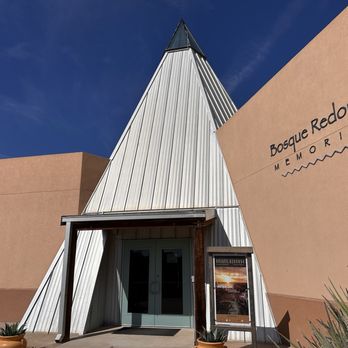
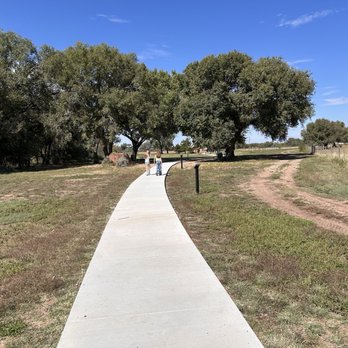
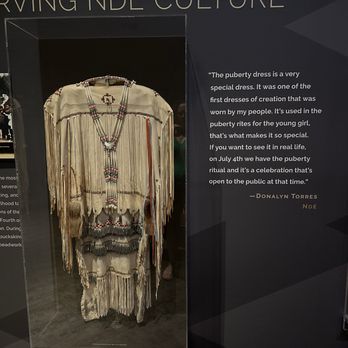
*** The Long Walk every American needs to learn about *** On October 11, 2025, I took my young daughters to the Bosque Redondo Memorial in Fort Sumner, New Mexico. This planned road trip was part of my teaching them history that I fear they will not be learning in public education. The Long Walk refers to the unwanted journey in which the U.S. military forced 10,000 Indigenous peoples of Arizona and Western New Mexico beginning in 1863. The walk entailed suffering, diseases, famine, undrinkable water, torture, executions, and many more unnecessary deaths. Up until recently this dark period in American history allowed the omission of Indigenous accounts, of truths so devastating and horrific that non-Natives gasped then denied the very thought that genocide was the ultimate outcome if assimilation of two key Native groups did not transpire. I personally hadn't been back to Fort Sumner in over 20 years, so to see this building and all of the remaining "fort" structures that I previously was not aware of was quite fascinating. CON Getting this out of the way... The staff members, while friendly, were NOT engaging whatsoever. They didn't interact with my children. Only the bare minimum information was provided to me. PROS Where do I begin? This permanent fixture opened up in 2022 after a long - I'll call it - revisiting period. In all, it was about 30 years of research, discussions, reconciliations, curations, and so on. The building has a tepee and a hogan (Navajo dwelling) design developed by Diné architect David Sloan. It surely has withstood the wind that blows quite strongly and constantly in this area. The museum itself, as you may learn at the end of your self-guided tour, is a "Site of Conscience." This is a global network which encompasses four main principles. (See Works Cited.) This is all to say the younger generation yearned for more than just a military or a non-Native perspective. (They weren't the only ones.) Back in 1990, a young group of Navajo students left a note (now photographed in the museum) stating that they wanted history to reflect the experiences and perspectives of the Navajo (the Diné) and the Mescalero Apache (the N'de) people alongside those of the United States Military. So that is exactly how the museum transformed. Each exhibition has words from a soldier or government official on one side and words of a survivor and/or their family member on the opposite side. Hanging high above us as we read were 10,000 individual lights representing each Native American that walked. Sounds of the Native languages, their music, their surroundings (nature, campfires, etc.), and their stories could be heard over the speakers in various areas. I was impressed with how my own children understood the diabolical nature of these atrocities. Two totally different accounts were provided at each corner of every room. My own children asked several great questions during our visit. I quizzed them. They quizzed me. They wanted to know MORE of what happened to the Natives who survived. I hope this ever-evolving museum can provide more of this information in the near future. In one of the last rooms of our tour, question boards were hanging on display. Questions like, "If forced to leave your home, what would you sacrifice to get it back?" and "How does the Long Walk continue today?" Visitors may write your own personal thoughts. We read many of the others' answers. Most were thoughtful. Some were not legible. My girls then wanted to walk outside with our dog to get a glimpse of the "fort"-turned-concentration camp. (Non-service dogs aren't allowed in the museum, so ours stayed in my cool Jeep that morning with water and a bone.) My big tip is to bring earbuds or headphones that connect with your handheld device so that you may follow along with the audio tour. I didn't get good data service inside and I had no clue if WIFI was available as the staff members disappeared, however, my kids aren't allowed to have devices on these types of outings so we didn't participate in the audio tour. Children 16 and under were free. My admission was $7. Parking was free. Restrooms were available and clean. Bring walking shoes and a heavy dose of humility. WORKS CITED https://www.museumfoundation.org/historic-sites/bosque-redondo-memorial-fort-sumner-historic-site/ https://nmhistoricsites.org/bosque-redondo https://www.sitesofconscience.org/about-us/about-us-2/ read more




When constructing this amazing stop you can tell a lot of heart went into it. Though the story, a true story, is heartbreaking, I appreciate it being told so that those who are unaware can learn the truth. May all those who suffered and lost their lives be held with much love. Bless them all for their strength. What beautiful humans to have gone through such pain. read more


More info about Bosque Redondo Memorial















Bosque Redondo Memorial - museums - Updated September 2026
Best of Fort Sumner
People found Bosque Redondo Memorial by searching for…
Things to Do in Fort Sumner, NM
Fun Things to Do on Date Night in Fort Sumner, NM
Attractions in Fort Sumner, NM
Art Galleries in Fort Sumner, NM
Historical Tours in Fort Sumner, NM
Children's Museums in Fort Sumner, NM
Performing Arts in Fort Sumner, NM
Tourist Attractions in Fort Sumner, NM
Fun Places for Kids in Fort Sumner, NM
Points of Interest in Fort Sumner, NM
Historical Sites in Fort Sumner, NM
Entertainment in Fort Sumner, NM
Places to Visit in Fort Sumner, NM
Music Museum in Fort Sumner, NM
Photo Spots in Fort Sumner, NM
Open to All in Fort Sumner, NM
Browse Articles
Browse Brands
Related Searches in Fort Sumner, NM
Best Coffee Shops to Visit in Fort Sumner, New Mexico
Best Things to Do on a Rainy Day in Fort Sumner, New Mexico
Browse Top Hotels in Fort Sumner, New Mexico for Your Stay
Discover Romantic Activities to Enjoy in Fort Sumner, New Mexico
Discover Unique Pottery in Fort Sumner, New Mexico
Enjoy a Relaxing Bed & Breakfast Experience in Fort Sumner, New Mexico
Explore Beautiful Parks and Green Spaces in Fort Sumner, New Mexico
Explore Free Things to Do Around Fort Sumner, New Mexico
Explore Landmarks & Historical Buildings in Fort Sumner, New Mexico
Explore Popular Picnic Areas Around Fort Sumner, New Mexico
Explore Top History Museums in Fort Sumner, New Mexico
Explore the Rich History in Fort Sumner, New Mexico
Find Beautiful Views in Fort Sumner, New Mexico
Find Top Libraries to Visit in Fort Sumner, New Mexico
Find Top Restaurants in Fort Sumner, New Mexico for Every Taste
Find a Public Library Near You in Fort Sumner, New Mexico
Find the Best Playgrounds to Visit in Fort Sumner, New Mexico
Find the Best Scenic View Locations in Fort Sumner, New Mexico
Find the Best Shopping in Fort Sumner, New Mexico Today
Must-See Tourist Attractions Around Fort Sumner, New Mexico
Popular Things to Do in Fort Sumner, New Mexico
Popular Things to See in Fort Sumner, New Mexico
Quiet Public Libraries to Study in Fort Sumner, New Mexico
Top Hiking Trails to Explore in Fort Sumner, New Mexico
Top Things to Do With Kids in Fort Sumner, New Mexico
